P1148 Code: Vehicle-Specific Meaning, Causes, and Repairs
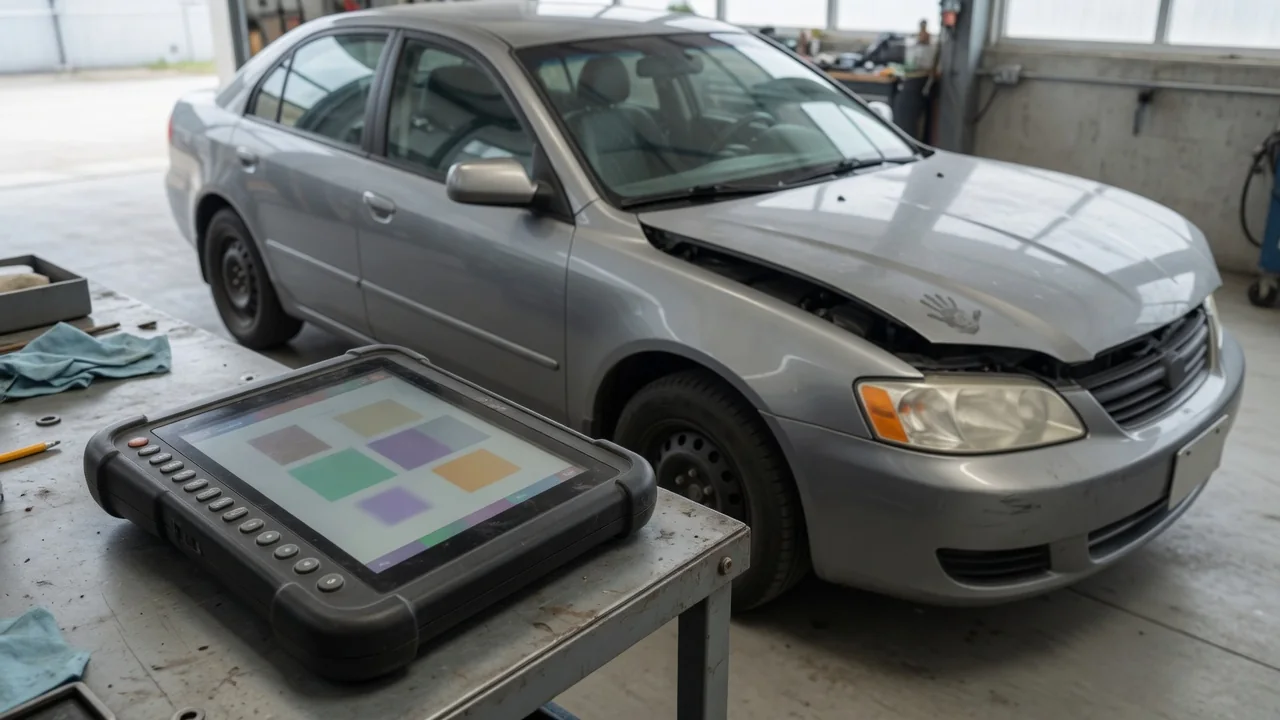
The P1148 code is a manufacturer-specific trouble code, not a universal SAE definition, so its meaning depends on the vehicle that stored it. On many Nissan and Infiniti applications it is associated with closed-loop fuel control, often on bank 1, but that wording must be confirmed in the service information for the year, make, model, and engine. Treat P1148 as evidence that fuel-control behavior did not match expected conditions, not as proof that a particular sensor has failed.
Verify P1148 Meaning for the Exact Vehicle
A P1148 code cannot be interpreted from the number alone. Manufacturer-specific trouble codes reuse the same alphanumeric label for different control functions across brands, so the year, make, model, engine, and applicable service information have to be matched before any diagnosis starts. Nissan and Infiniti documentation often describes P1148 as a closed-loop control concern, frequently tied to bank 1, yet other manufacturers may assign an unrelated meaning. Confirm the exact published wording for that vehicle rather than assuming a generic air-fuel explanation.
Closed-loop fuel control uses oxygen sensor feedback or air-fuel ratio sensor readings from the exhaust to trim injector pulse so the mixture stays near the commanded target. A control-function code reports that this adjustment did not occur as expected; it does not identify which part failed. Bank identification and sensor names also follow vehicle-specific diagrams. Bank 1 is typically the bank that contains cylinder one, but sensor numbering, heater circuits, and upstream versus downstream roles must be taken from that engine's service information, not from a generic scanner label.
Symptoms and Signs That Need Prompt Attention
When a P1148 code sets, the check engine light may be the only obvious sign, or the engine may also run roughly, hesitate under load, or use more fuel than usual. None of those symptoms is guaranteed, and some vehicles continue to feel normal while closed-loop fuel control is not behaving as designed. Smooth idle and uneventful highway operation therefore do not prove that oxygen sensor feedback and fuel trim are within expected ranges. The stored code still needs interpretation against freeze-frame data and companion trouble codes.
A flashing check engine light, severe shaking, stalling, or a substantial loss of power is a different situation. Stop as soon as it is safe and seek assistance rather than continuing to drive through those conditions. The P1148 code by itself cannot establish whether the vehicle is safe to operate, because the same label can appear with a mild fuel-control concern or with a more serious mixture or misfire problem. Operating conditions stored with the code, other present faults, and how the engine actually behaves together decide whether driving is appropriate.
Possible Causes Under a Confirmed Closed-Loop Definition
Once service information confirms a closed-loop control definition, possible causes include an air-fuel ratio sensor or oxygen sensor that is not providing usable feedback, along with heater-circuit faults that keep the sensor from reaching or holding operating temperature. Those possibilities still require testing. Damaged wiring, corroded or loose connectors, and missing power or ground at the sensor or control module can produce the same P1148 result as a failed sensing element. Circuit integrity belongs in the diagnostic sequence before any part is condemned.
Intake leaks after the mass airflow measurement point, exhaust leaks ahead of the feedback sensor, and fuel-delivery problems can all keep the control module from entering or staying in closed-loop as expected. Unmetered air, diluted exhaust samples, or an inability to add or subtract fuel will look like a control-function failure even when the sensor hardware is intact. Companion trouble codes and the freeze-frame operating conditions help narrow the list. There is no universal cause or failure rate for P1148, so frequency claims and guesswork replacement are not a substitute for vehicle-specific testing.
What to Record Before Clearing the Code
Before anyone clears a P1148 code, record every stored and pending code, each code's status, and the freeze-frame data captured when the fault set. That snapshot often includes engine speed, load, coolant temperature, and fuel trim values that show whether the control module was trying to enrich or lean the mixture. Also note when the check engine light appeared, whether the engine was cold or fully warm, any drivability symptoms, and recent service or battery disconnects that could affect adaptive memory or sensor heater operation.
Owner inspection should stay limited to what can be seen with the engine off and cool: obviously loose intake ducting or visibly damaged wiring and connectors. Do not disconnect components or reach near hot exhaust, cooling fans, or moving belts. Clearing the code removes that recorded evidence and resets readiness monitors, so emissions testing and later diagnosis can stall even though the underlying closed-loop fault remains. The light going out after a reset only means the memory was erased, not that fuel control has been restored.
Professional Tests That Can Identify the Fault
A professional diagnosis follows the manufacturer's sequence, including any prerequisite tests and companion-code checks that must be completed first. Typical live-data review covers closed-loop status, short-term and long-term fuel trim, relevant coolant and sensor temperatures, and air-fuel ratio or oxygen sensor feedback under the operating conditions the procedure specifies. Those readings need vehicle-specific interpretation. Generic scanner labels can omit heater status, bank identity, or sensor type, and a value that looks normal on one engine family can be out of range on another.
When data does not explain the P1148 result, circuit checks for power, ground, and signal integrity, plus leak and fuel-system testing, belong in the shop procedure rather than in an owner-level repair. Replacing an air-fuel ratio sensor or oxygen sensor only because the code is present can leave a wiring fault, exhaust leak, or fuel-delivery problem untouched. The control module may then set P1148 again once closed-loop operation is reattempted. Confirmed test results, not the code number, decide whether a sensor, circuit, or related system is at fault.
Repair Options and Confirmation That the Fault Is Resolved
Repairs should follow confirmed findings: a repaired circuit, a verified intake or exhaust leak that has been sealed, a fuel-delivery issue that has been corrected, or an air-fuel ratio or oxygen sensor that failed its specified tests. Replacement parts must match the exact year, make, model, and engine so heater type, connector layout, and sensor application are correct for that vehicle. Scope depends on which fault was diagnosed, how accessible the component is, and what verification the procedure requires. Cost varies with those factors and should not be assumed from the code alone.
After the repair, confirm that closed-loop fuel control operates as expected, watch for P1148 or companion trouble codes returning, and complete the manufacturer's verification drive or monitor procedure. An extinguished check engine light right after the code is cleared only shows that the warning was reset. It does not prove the fault is gone. Readiness monitors and a period of normal closed-loop operation under the conditions that originally set the code provide the actual confirmation that bank 1 fuel control, or whatever function that vehicle assigns to P1148, has been restored.