P1145 Code: What It Means, Symptoms, Causes and Diagnosis
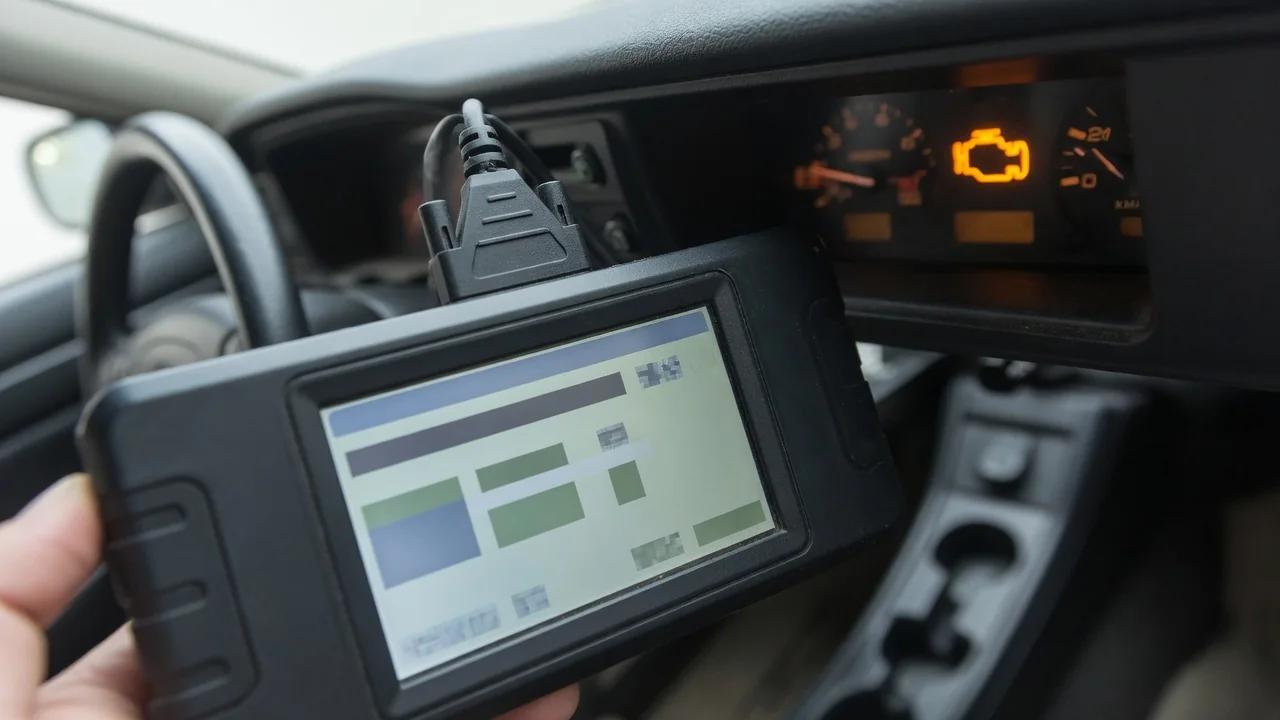
A P1145 code appears on an OBD-II scanner when the powertrain control module (PCM) detects a fault, but unlike generic P0xxx codes, P1145 is manufacturer-specific. Its meaning changes by vehicle make, model, year, and engine. Without confirming the exact definition, you risk misdiagnosis and unnecessary part replacement. Symptoms and causes depend entirely on the system assigned to P1145, so the first step is always to verify what the code means for your particular vehicle.
What P1145 Means and Why It Is a Manufacturer-Specific Code
OBD-II trouble codes starting with P1 are reserved for manufacturer-specific diagnostics. P1145 falls into this range, meaning no single universal definition exists across all brands. A Nissan, Toyota, or Ford may use the same code for completely different subsystems, such as fuel control, intake valve timing, or sensor rationality. The first character P denotes powertrain, while the second digit 1 signals that the manufacturer defines the code's meaning.
Because of this variation, generic online definitions often mislead. A description for a Nissan P1145 may not apply to a Honda. Before drawing any conclusion, look up the code for your exact make, model, year, and engine. Relying on a generic scanner's built-in description or a random forum can send diagnosis in the wrong direction. Always confirm the manufacturer's interpretation before testing components or even guessing at symptoms.
How to Confirm the P1145 Code Definition for Your Vehicle
Start by reading the code with an OBD-II scanner. Basic scanners may display only the number, but an enhanced scan tool or manufacturer-level software often shows a brief description specific to the vehicle. Record the freeze frame data: engine temperature, engine speed, load, and fuel trims when the code set. These values describe operating conditions and can reveal whether the fault occurs at idle, under load, or during warm-up.
Check for other stored or pending diagnostic trouble codes alongside P1145. Related codes can point to a shared circuit, sensor, or system. Factory service information for your vehicle provides the precise definition and test conditions. If factory data is unavailable, a dealer or qualified independent shop can confirm what P1145 means on your exact model. Never rely on cross-brand assumptions, as misreading the definition leads directly to wasted diagnosis.
Symptoms That May Appear With a P1145 Code
A check engine light may be the only noticeable symptom. In many cases, the vehicle runs normally, and the driver notices nothing unusual. However, because P1145 can relate to fuel, airflow, emissions, or timing control, some drivers experience rough idle, hesitation during acceleration, or reduced fuel economy. These are general powertrain fault symptoms, not universal to every manufacturer's P1145.
Symptom patterns matter. Note whether the problem appears during cold start, steady highway driving, hot idle, or only after the code sets. Conditions such as ambient temperature, engine load, and time since refueling can help a technician reproduce the concern. The more specific the details, the faster a diagnostic procedure can isolate the fault. Even without obvious drivability changes, the stored code is a real signal that a monitored parameter fell outside its expected range.
Possible Causes and the Limits of Guessing
Possible causes for P1145 fall into broad categories: sensor malfunctions, wiring or connector issues, and control module or software concerns. Depending on the confirmed definition, the code might relate to an oxygen sensor circuit, a camshaft position actuator, a fuel pressure sensor, or an internal PCM calculation. Without the manufacturer's description, naming a particular part as the cause is guesswork.
Replacing parts based solely on the code number often wastes money. A P1145 may set because of a corroded connector, a rubbed-through wire, or an intermittent signal, not the sensor itself. The confirmed definition determines which circuits and components are relevant. Even then, testing is required to prove the failure. Never assume a code means a specific part has failed; the code is only an entry point into a diagnostic tree.
How a Technician Diagnoses P1145
A technician begins by verifying the exact P1145 definition for the vehicle. They then review freeze frame data to see the conditions under which the code set. A visual inspection follows, checking the related wiring harness, connectors, and sensor mounting for damage, corrosion, or looseness. Manufacturer-specific test procedures guide the next steps, often involving live data observation with a scan tool.
Live data shows sensor voltages, control circuit states, and calculated values compared to expected ranges. The technician may command actuators on and off, check circuit resistance, and look up technical service bulletins that describe known faults for that model. Clearing the code and driving the vehicle can show whether the fault returns immediately or only under rare conditions. Specialized equipment, such as an oscilloscope or dealer-level software, may be needed for intermittent signal issues.
Repair Options and When to Seek Professional Help
The correct repair depends entirely on the confirmed cause. It may be as simple as repairing a broken wire or cleaning a connector, or it may require replacing a sensor, updating module software, or addressing an internal PCM fault. Without knowing what P1145 means for your vehicle, no repair can be accurately chosen. Safe owner checks are limited to visual inspection with the engine off and cool: look for loose connectors, rubbed wires, or obvious corrosion.
Electrical testing, fuel and emissions work, and any module reprogramming should be left to a qualified technician. Before approving parts replacement, ask the shop to explain the diagnosis findings: what circuit was tested, what value was out of range, and how the failed part was confirmed. A good shop will show you the evidence. If they only read the code and recommend a sensor, seek a second opinion.
Is It Safe to Keep Driving With P1145?
Whether it is safe to keep driving depends on the confirmed definition and current vehicle behavior. If the check engine light is steady and the car runs normally, a short trip to a repair shop is generally acceptable, but diagnosis should happen soon. If the light flashes, the engine misfires, stalls, overheats, or loses power, stop driving immediately and seek professional help.
Driving with an unresolved P1145 can affect emissions inspection results and may allow related components to degrade. A fault in a fuel or timing circuit can gradually damage other systems or leave you stranded. Even if the car seems fine, the code indicates a monitored condition outside normal limits. Early diagnosis often turns a minor repair into a low-cost fix.