P1140 Code: Verify Its Meaning, Causes, and Repair
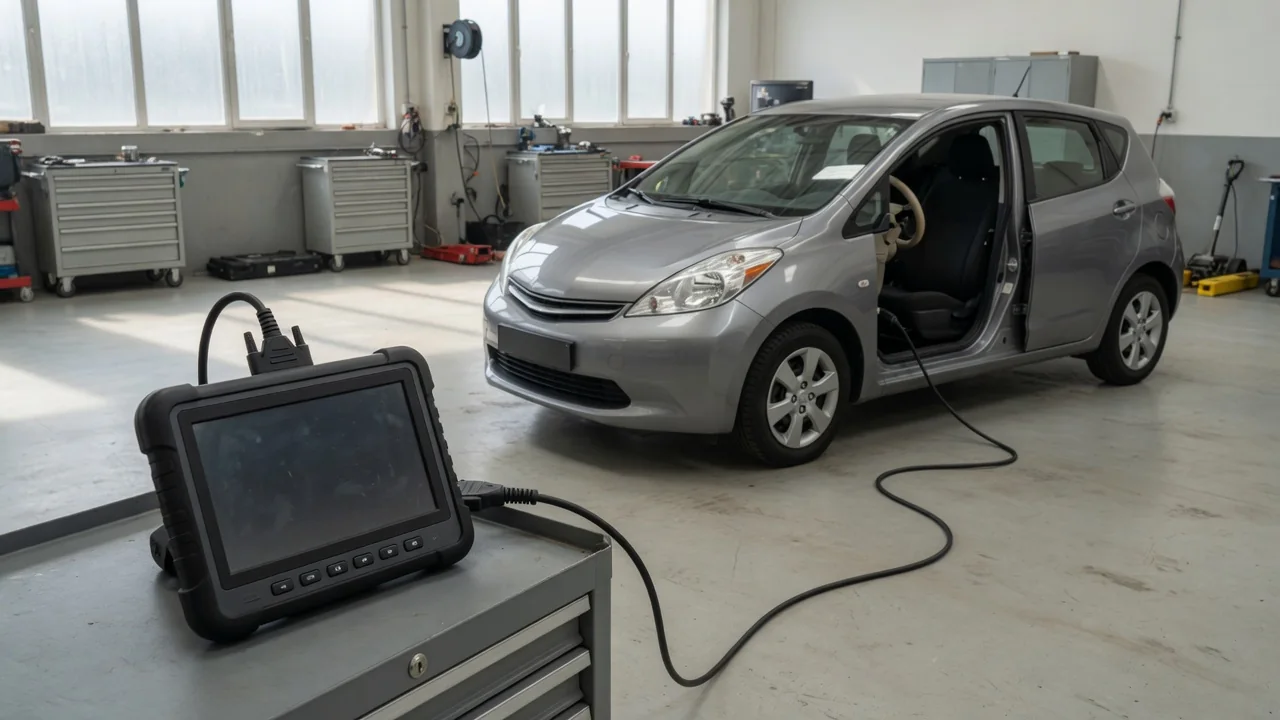
A P1140 code can leave a driver guessing because it does not point to one component across all vehicles. The meaning changes by manufacturer, model year, engine, and even calibration. Before replacing anything, verify the exact diagnostic trouble code definition for your car. This guide explains how to confirm the condition, record symptoms, identify plausible causes, and choose a repair that addresses test findings rather than a generic label.
Verify What P1140 Means for Your Vehicle
P1140 is a manufacturer-specific trouble code, so the same characters refer to different systems on different vehicles. On one engine it may describe an intake airflow concern, while on another it could involve a throttle circuit or fuel pressure regulation. A universal scan-tool label may capture only part of the story. The confirmed definition comes from vehicle-specific service information matched to the make, model, model year, engine calibration, and sometimes the VIN break or region.
That documentation also sets the detection conditions and diagnostic path that define how the condition is monitored. A P1140 code is a starting observation, not proof that a sensor, actuator, or control module has failed. For example, a wiring fault outside the component can create the same stored code. Treating the code as a failed part bypasses verification and often produces a wrong repair. Begin with the exact definition for your vehicle.
Symptoms to Record and Signs to Stop Driving
A check engine light may be the only symptom you notice, and that is normal for many stored codes. The expected drivability symptoms depend on the verified P1140 definition. A throttle-related definition might produce rough idle or poor acceleration, while a fuel delivery definition could cause stalling or hard starting. Record what the vehicle actually does, but do not assume every symptom comes from P1140. Other active or pending codes may be involved.
The code alone cannot establish whether continued driving is safe. Normal operation with a steady light often allows a short drive to a repair shop, but severe behavior requires stopping safely. Seek assistance if the check engine light flashes, the engine misfires heavily, it repeatedly stalls, the temperature gauge rises into the red zone, or power falls so much that you cannot keep up with traffic. These conditions indicate a risk of further damage or an unsafe operating state.
Possible Causes After the Definition Is Confirmed
After confirming the P1140 definition for your vehicle, connect every possible cause to the system and detection conditions in the manufacturer documentation. If the definition concerns an electrical circuit, inspect the related wiring, connectors, power supply, and ground path for corrosion, loose terminals, chafed insulation, or voltage drop. A connector partially unseated can mimic a component failure and may require no more than a firm reseat and terminal cleaning.
If the verified definition involves a component performance test or a mechanical operating condition, the diagnostic procedure may call for measurements that confirm whether the part meets specification. That could include sensor signal plausibility, actuator response, vacuum or pressure values, or mechanical timing. Do not rank causes by assumed frequency or replace a sensor, actuator, or control module because it is commonly blamed. The applicable test procedure identifies which cause fits the stored evidence.
Information to Save Before Diagnosis
Before any diagnostic work, save the complete scan report as-is. Note whether P1140 is stored as a current, pending, or history code, and record every accompanying code in the order they appear. Freeze-frame data captures the operating conditions at the moment the fault was recorded, including engine load, coolant temperature, RPM, and fuel trim values. That snapshot helps later tests recreate the condition and separates an active fault from an old one.
Do not clear codes or disconnect the battery before the information is documented, because that action erases freeze-frame data and resets readiness monitors. Also write down recent repairs, battery replacements, jump starts, or aftermarket installation work, and note when symptoms occurred relative to those events. Owner observation should stay limited to what is safely visible with the vehicle parked and engine off. Leave connector probing, powered testing, and disassembly to a qualified technician.
How Professional Testing Narrows Down P1140
A technician follows the vehicle-specific P1140 diagnostic procedure rather than reading a generic description and replacing a part. The procedure may first require verifying wiring integrity and terminal condition, then move through a test sequence that isolates the failed circuit, component, or mechanical state. Related codes are addressed in the order the manufacturer specifies, because a secondary code can sometimes disappear once the root fault is corrected.
Freeze-frame data and live data work together to reveal whether the fault happens under particular conditions, such as a cold start, high load, or a certain coolant temperature. Live data may show a signal that drops out only when a harness flexes or a connector heats up. Intermittent faults can require storing the scan tool in the vehicle and driving until the code returns. Even then, the scan-tool text is a starting point; it does not justify component replacement without confirming test results.
Choose a Supported Repair and Confirm the Result
A supported repair is tied directly to confirmed findings. If the diagnostic procedure shows a circuit problem, correcting the wire, terminal, or connector is the repair. If a sensor or actuator fails a specified test, replacement follows the manufacturer guideline. A useful estimate names the verified P1140 definition, lists the test results that support the proposed work, and notes any remaining uncertainty, such as an intermittent connector that could not be reproduced.
Clearing the code and seeing the light stay off is not proof that the fault is gone. Repair verification requires completing the manufacturer's specified drive cycle or monitor run so the vehicle can run the P1140 test again and report a pass. If the code returns, provide the shop with the new scan report, freeze-frame data, and any symptoms or operating conditions since the repair. That information shows whether the original fault persists or a new code has appeared.