P1138 Code: What It Means, Symptoms and How to Diagnose It
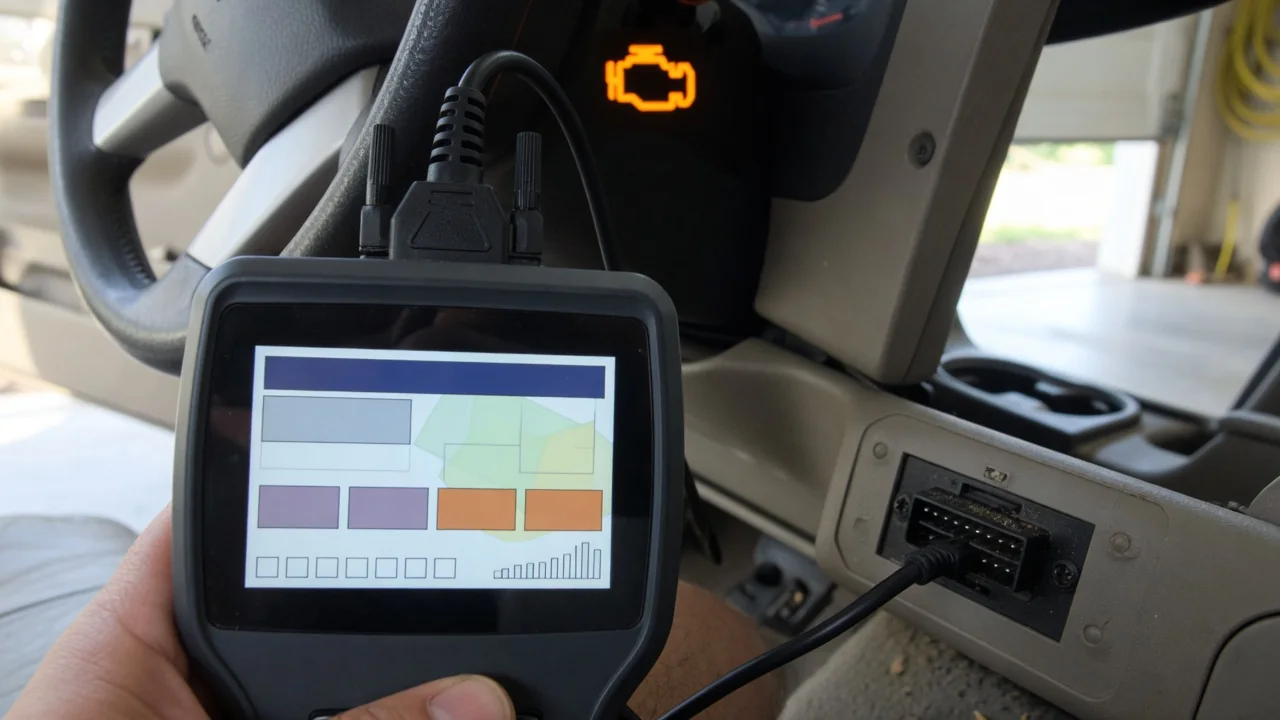
A P1138 code can leave drivers confused because it means different things depending on the vehicle manufacturer. Unlike generic OBD-II codes that carry one definition, codes beginning with P1 are reserved for manufacturer-specific diagnostics. When the check engine light comes on with P1138, you need your exact make, model, year, and engine confirmed before jumping to conclusions. Symptoms can vary widely, and clearing the code without diagnosis erases valuable freeze frame data that a technician needs to find the root cause.
What the P1138 Code Means and Why It Differs by Manufacturer
Codes that start with P1 are manufacturer-defined, so P1138 has no single universal meaning. One automaker may use it for an oxygen sensor heater circuit fault, while another could define it as an air/fuel ratio imbalance or something else entirely. Because the definitions vary so much, relying on a generic lookup website is risky. A code list that says P1138 means one thing on a Ford might be completely wrong for your Hyundai or Nissan, leading you down a costly path of replacing the wrong part.
To confirm the correct definition, use factory service information for your specific make, model, year, and engine. Many enhanced scan tools can display manufacturer-specific code descriptions, but even a scanner's short text may be abbreviated or overly broad. The most reliable approach is to compare the scanner reading with official service data or technical service bulletins. If your scanner only gives the generic "manufacturer control" definition, you still need to verify the meaning before attempting any testing or repairs.
Reading P1138 Correctly: Freeze Frame, Code Status and Related Codes
P1138 can appear as a pending, confirmed, or history code, and each status tells a different story. A pending code means the condition occurred once but has not yet met the full criteria to turn on the check engine light. A confirmed code is active and will keep the light on until repaired. History codes are stored from previous events and may be helpful for spotting intermittent issues. Understanding which status your code is in helps prioritize diagnostic steps.
Freeze frame data is a snapshot of sensor readings and conditions at the moment the code was set. It can include engine temperature, RPM, vehicle speed, and load. This information is often the most important clue a technician has because it shows what the engine was doing when the fault appeared. Before clearing anything, write down every stored code and all freeze frame data. Clearing codes erases these records, making an accurate diagnosis harder and often forcing you to wait for the fault to return.
Symptoms Drivers May Notice With a P1138 Code
Some drivers notice no change in how their vehicle runs when P1138 appears, other than the check engine light. Others may experience rough idling, hesitation during acceleration, reduced fuel economy, or an unusual exhaust smell. These symptoms are not tied to every manufacturer's version of the code, but they are worth noting whenever they occur with a P1138. A vehicle that seems to run fine can still have a fault that affects emissions or long-term reliability.
Recording exactly when symptoms happen helps narrow down the system involved. For example, a rough idle only when the engine is cold may point to a sensor or fuel trim issue, while a problem during highway cruising suggests a different fault condition. If the check engine light is flashing, or you notice severe drivability problems like stalling or misfiring, stop driving immediately. A flashing light usually indicates a condition that can damage the catalytic converter or create unsafe driving conditions.
Possible Cause Categories to Check Once the Definition Is Confirmed
Once you have confirmed the vehicle-specific definition of P1138, you can start looking at cause categories. Broadly, the fault could involve a sensor malfunction, a wiring or connector problem, or a control module logic issue. The code itself only identifies which circuit or system reported a problem, not which component failed. A sensor may be reading incorrectly because it has failed, but it could also be getting a bad signal due to a damaged wire or poor connection.
Avoid replacing parts based on the code alone. A P1138 that points to a particular sensor circuit does not prove the sensor is bad. Wiring, connectors, and even the powertrain control module can set the same code. Test each component with the manufacturer's diagnostic procedure before spending money on parts. No fault rates or specific part numbers are provided here, because the most common cause varies widely by vehicle and engine, and guessing leads to unnecessary expense.
Safe Checks a Driver Can Do Before Visiting a Shop
Before visiting a shop, you can do a few safe visual checks with the engine off and cooled down. Look under the hood for obviously damaged, loose, or disconnected wiring near sensors that may relate to the confirmed code definition. Do not touch anything hot, and do not reach near moving parts. If you see a connector that has come apart, you may be able to snap it back into place, but do not force anything or probe wires with tools.
Using a basic OBD-II reader is another safe way to help your technician. Record the exact code, its status, and all freeze frame data. Write down any symptoms you noticed and when they occurred. Include recent repairs or work done on the vehicle, even if it seems unrelated. This information saves diagnostic time and helps the shop focus on the most likely systems. Avoid clearing the code yourself unless instructed to do so, because the stored data can be lost.
How a Technician Diagnoses P1138 Professionally
A professional diagnosis starts by confirming the manufacturer-specific definition for your exact vehicle. The technician will check for technical service bulletins that may describe known issues or updated repair procedures. Then they will review live sensor data using an enhanced scan tool and compare it to factory specifications. If the code points to a circuit, the technician will follow the manufacturer's test steps, which often involve checking resistance, voltage, and signal patterns with a digital multimeter.
Factory wiring diagrams and an enhanced scan tool are essential for manufacturer-specific codes like P1138. Generic readers cannot display all the data that these systems require. After repairs, the technician will confirm the fix by clearing the code and performing the drive cycle or conditions that originally set it. If the code stays clear through those conditions, the repair is verified. Share your full code list, freeze frame data, symptom notes, and any recent repairs so the shop has a complete picture.
Can You Keep Driving With P1138? Risks and When to Act Quickly
Whether you can keep driving with a P1138 depends on the confirmed definition and your vehicle's symptoms. If the code is pending and the car is running normally, you may have time to schedule a diagnosis. But if you notice a flashing check engine light, loss of power, stalling, or a strong fuel smell, stop driving and have the vehicle inspected right away. Ignoring these warnings can lead to expensive damage or a breakdown.
In some areas, an active P1138 code can affect emissions testing or inspection readiness, so you may not be able to pass until it is resolved. The cost to fix the code varies widely because it depends on what the technician finds during testing. A simple loose connector might cost almost nothing to repair, while a failed sensor or control module could be more expensive. Getting a proper diagnosis first is the only way to know what you are facing.