P1135 Code: Vehicle-Specific Meaning, Diagnosis, and Repairs
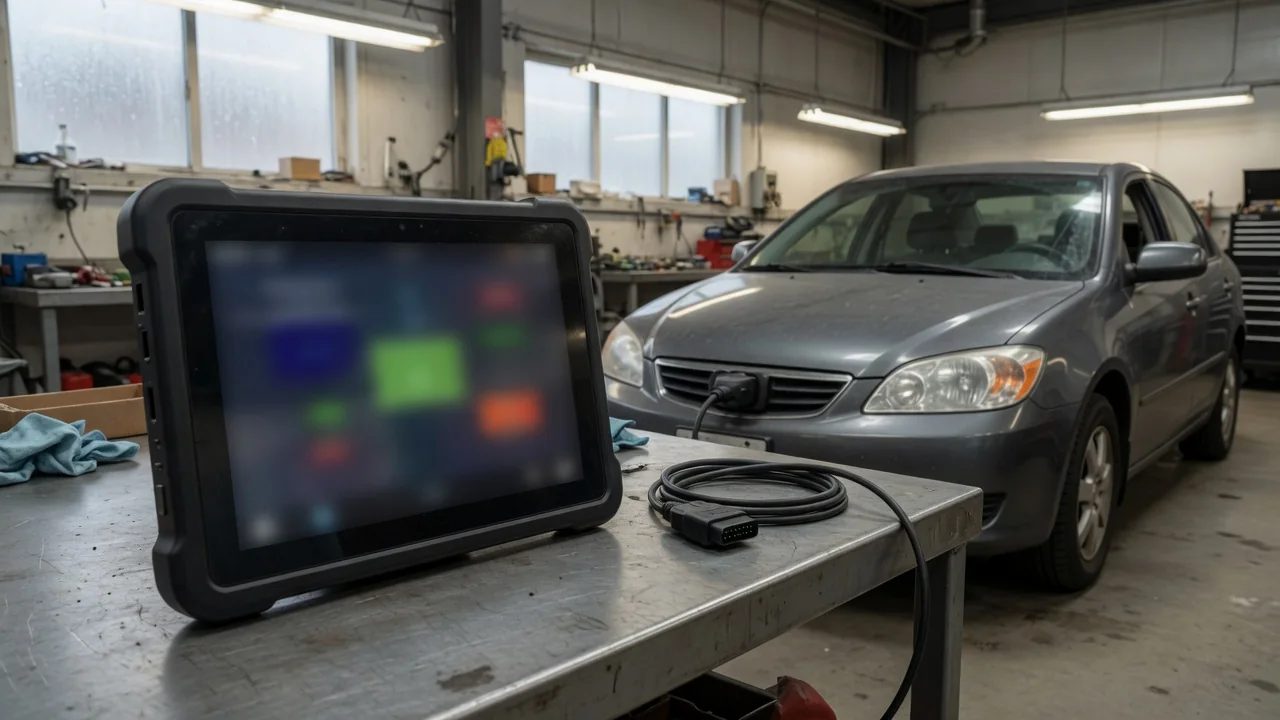
P1135 is a manufacturer-specific trouble code, so the same stored number can describe different systems depending on the vehicle. Before assuming an air-fuel ratio sensor heater circuit fault, confirm the year, make, model, engine, and the service definition that applies. A P1135 code is evidence of a detected condition, not proof a particular part has failed. Freeze-frame data and pending codes help interpret what the warning actually means.
Verify What P1135 Means for Your Vehicle
P1135 cannot be given one universal definition because manufacturers reuse this number for different monitored circuits. The first diagnostic step is to identify the exact year, make, model, engine, and the applicable service information for that calibration. Two vehicles that both store P1135 may be reporting entirely different heater, sensor, or control-path conditions. Reading a generic list of meanings without matching the vehicle can send testing toward the wrong connector, fuse, or sensor bank.
Some applications associate P1135 with an air-fuel ratio sensor heater circuit, but that interpretation is valid only after the vehicle-specific definition is confirmed. Until then, treat the stored code as a pointer to a documented condition, not as a parts list. A trouble code identifies what the control system detected during a monitor, such as an unexpected heater circuit response; it does not prove a sensor, harness, or module needs replacement. Confirming the named circuit keeps later testing of wiring and connectors aligned with the actual fault.
Symptoms and Warning Signs to Record
A check engine light is often the first sign that P1135 has stored, and the vehicle may still idle, accelerate, and cruise without an obvious change. That absence of drivability complaints does not make the code unimportant; it only means the monitor found a condition the driver may not feel. Rough running, a change in fuel use, or a harder start are observations worth recording, but they should not be attributed automatically to P1135. Companion codes, pending codes, and freeze-frame data often explain those symptoms more accurately than the P1135 label alone.
A flashing check engine light, severe shaking, stalling, or substantial power loss is a different situation from a steady lamp with a stored P1135 code. Those warning signs indicate the vehicle may not be controllable in traffic, so the safe response is to stop when it is practical and seek assistance. The code by itself does not establish that the vehicle is safe to drive, because driving advice must account for current symptoms, other warnings, and how the vehicle behaves under load. Record when the lamp first appeared and whether the concern comes and goes.
Possible Causes After the Definition Is Confirmed
Once the service information names the circuit or system for P1135, possible causes should be limited to that documented path rather than a generic sensor list. For a confirmed air-fuel ratio sensor heater circuit application, the condition may involve the heater element, damaged wiring, poor connector contact, or a power-supply problem that never reaches the heater. Those items remain possibilities until heater circuit testing compares actual circuit behavior with the vehicle's specifications. Causes that belong to a different manufacturer definition should not be mixed into the diagnosis.
A blown fuse can accompany P1135, but an open fuse is evidence of an electrical event, not the underlying cause. The short, overload, or supply issue that opened the fuse still needs to be identified, or the same interruption can return after a fuse is replaced. Control-circuit concerns, including a control module output or driver, are also only possibilities that require testing. Presenting the module as the default repair skips wiring and connectors that still require evaluation on a confirmed heater circuit fault before any control unit is condemned.
Safe Checks Before a Shop Visit
Before any code is cleared, record every stored and pending code, capture available freeze-frame data, and note when the check engine light first appeared. Freeze-frame snapshots capture operating conditions at the moment the monitor flagged P1135, which helps a technician recreate the event. Also note recent repairs, battery replacements, jump starts, or other electrical events that may establish a timeline. Clearing the memory too early discards that context and can turn a documented P1135 code into a harder intermittent hunt.
Owner inspection should stay limited to what is readily visible with the vehicle parked, the engine off, and related components cool. Look for obvious harness abrasion, a disconnected connector, or corrosion at an accessible plug, and stay away from hot exhaust areas and any work beneath an unsupported vehicle. Unplugging sensors, probing live circuits, or replacing parts experimentally can hide an intermittent connection, damage a connector, or create a second fault. Those actions also erase clues used in heater circuit testing, so visual notes and a complete code list help more than improvised repairs.
How a Technician Confirms the Fault
A technician starts by verifying the P1135 definition for the exact vehicle, then reviews companion codes and freeze-frame conditions to see what else was happening when the monitor failed. Related heater, oxygen-sensor, or supply codes can show whether the concern is isolated or part of a wider circuit problem. Vehicle-specific wiring diagrams and test specifications then guide checks of power supply, ground, connectors, circuit integrity, and component operation. Without those documents, resistance, voltage, and continuity readings have no valid comparison point for that application.
When the confirmed definition is an air-fuel ratio sensor heater circuit, professional electrical testing evaluates whether the heater is being powered, commanded, and able to draw current as the service information describes. That work stays at the circuit level: comparing measured behavior with published tests rather than relying on a universal resistance number. A sensor or control module should be condemned only after test evidence shows the component, not the harness, is at fault. Intermittent P1135 faults may require further observation because the condition may not be present during a single shop visit.
Repair Decisions and Verification
Repair choices should follow confirmed findings rather than the code number. If testing shows wiring damage, the harness and connector contact need restoration; if a supply is missing, that feed is corrected; if a component fails its specified test, replacement of that tested-faulty part may be appropriate. Before any part is ordered, verify the specified component and its location for the exact year, make, model, and engine, because applications that store P1135 do not necessarily use the same sensor, heater, or connector. Installing the wrong bank sensor or connector repair kit leaves the original condition in place.
Clearing P1135 is not a repair. After the documented work is completed, follow-up checks should confirm that the circuit operates as specified and that the fault does not return under similar freeze-frame conditions. Ask the shop what failed testing, what the estimate includes, and how the repair will be verified, including whether pending codes will be monitored after the repair. That conversation keeps the invoice tied to evidence instead of a generic parts swap and gives a clear path if the check engine light comes back.