P1134 Code: Meaning, Symptoms, Causes and Diagnosis
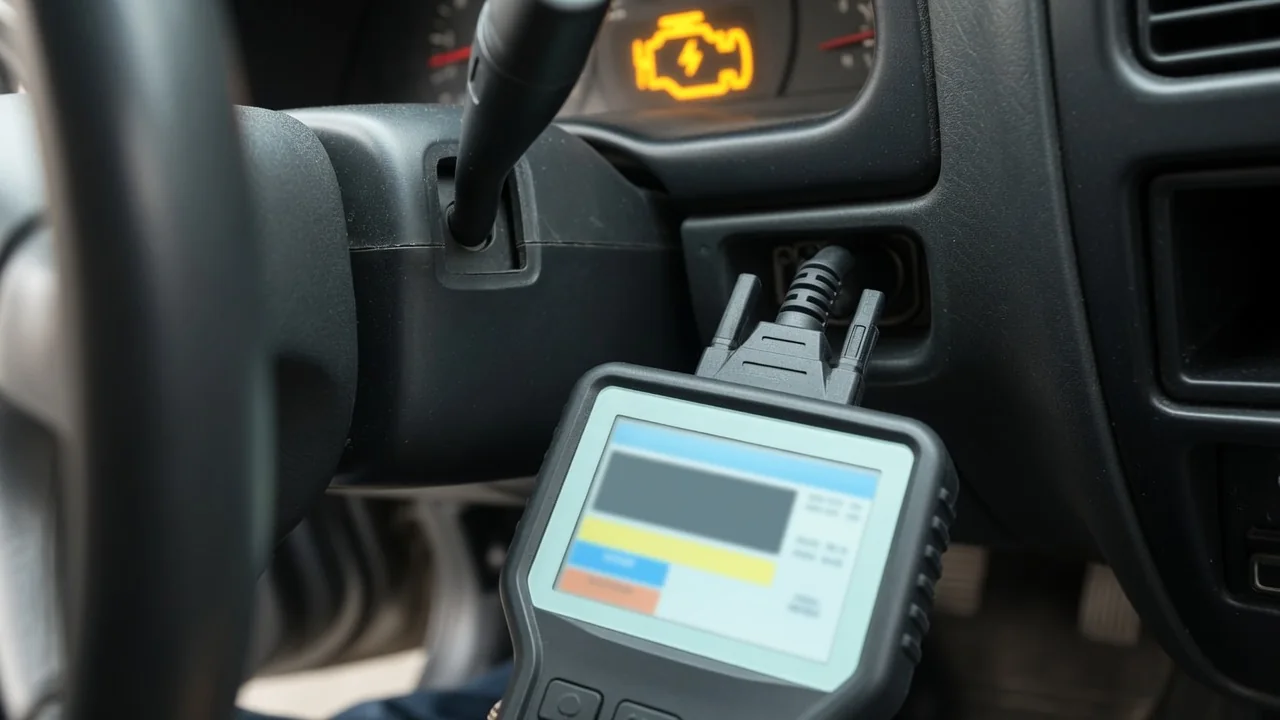
A P1134 code means the engine computer has detected a problem, but the exact meaning of this manufacturer-specific trouble code changes from one automaker to another. Because the P1xxx range is assigned differently by each brand, a definition that fits one vehicle may not apply to yours. The check engine light is only the starting point; the real diagnosis begins with confirming what P1134 means for your make, model, year and engine before looking at symptoms, causes and repair steps.
What P1134 Means and Why the Definition Depends on the Manufacturer
P1134 belongs to the manufacturer-specific OBD-II code family, where the third character is a 1. Unlike generic P0xxx codes that have standardized meanings across all vehicles, P1xxx codes can be defined differently by each manufacturer. One make may use P1134 for an oxygen sensor circuit issue, while another may assign it to an air-fuel ratio sensor performance problem or an entirely different subsystem. There is no universal definition, so the first step is always to look up the exact code text for your vehicle.
To confirm what P1134 means on your car, use a service information source such as a factory repair manual, a dealer, or a professional scan tool that displays the manufacturer's code definition. Avoid relying on generic online code lists or forum posts for another brand, because those may lead you to the wrong component. The same code number can point to different sensors or circuits on different makes and even different engine options within the same model year. Accurate definition confirmation prevents mistaken diagnostics.
How the P1134 Code Is Set and What the Check Engine Light Tells You
When the engine control module runs its self-tests, it compares sensor signals and circuit voltages to expected ranges. If a monitored value falls outside those limits for a set amount of time, the module stores a diagnostic trouble code like P1134 and turns on the check engine light. A pending code means a fault was detected but has not yet been confirmed over enough drive cycles. A confirmed code has met the condition repeatedly, and a history code is a past fault that may no longer be active.
A steady check engine light generally indicates a non-emergency fault that still allows normal driving, while a flashing light signals a severe misfire or catalyst-damaging condition that requires immediate attention. Before clearing any code, record the freeze frame data, which includes engine temperature, load, speed and other conditions at the moment the fault was set. Also note any other stored codes, because they can reveal whether P1134 is an isolated circuit issue or part of a larger electrical, fuel or exhaust problem.
Symptoms Drivers May Notice With P1134
Some vehicles with P1134 show no symptoms beyond the illuminated check engine light. The engine may start, idle and accelerate normally, and the driver may notice nothing unusual. This is common when the fault is intermittent or the affected circuit has only a minor deviation from the expected value. However, because the code is often related to an oxygen or air-fuel ratio sensor, possible symptoms can include reduced fuel economy, rough idle, hesitation during acceleration, or a slight change in exhaust odor.
If the code is active, most emissions inspection programs will fail the vehicle or flag it as not ready. Readiness monitors may be incomplete, preventing a pass until the issue is resolved and the monitors run to completion. Serious warning signs such as a flashing check engine light, strong fuel smell, overheating, stalling or severe drivability problems call for prompt professional attention. Continuing to drive under those conditions can damage the catalytic converter or create a safety risk, so have the vehicle checked promptly.
Possible Causes to Consider Once the Definition Is Confirmed
Once the manufacturer-specific definition of P1134 is confirmed, the possible causes can be grouped into broad categories rather than a fixed list. Sensor faults are common, but wiring harness damage, loose or corroded connectors, blown fuses, or a problem in the circuit itself can trigger the same code. Exhaust leaks near an oxygen sensor or air-fuel ratio sensor can also skew readings and set a performance code. In less common cases, a faulty engine control module or a software issue inside the module may be responsible.
The confirmed definition decides which categories actually apply to your vehicle. For example, if the code refers to a sensor heater circuit, then a short or open in the heater wiring is a more likely category than an exhaust leak. Never assume the sensor itself is bad; a code only tells you the circuit or system is operating outside expected limits. The fault could be in the harness, connector, fuse, or the control side of the module. Proper diagnosis uses electrical testing to isolate the source before replacing any part.
Safe Checks You Can Do Before Visiting a Shop
Before visiting a shop, you can gather information that will make the professional diagnosis faster and less expensive. Use an OBD-II scanner to read and record all stored codes and freeze frame data, then save or photograph that information before clearing anything. With the engine off and cool, perform a careful visual inspection around the sensor and its wiring path. Look for obvious damage such as cracked insulation, melted wires, loose or corroded connectors, and signs of exhaust leaks like black soot near flanges or sensor bungs.
Check with a dealer or an online service information source for any technical service bulletins or software updates related to P1134 for your specific vehicle. Not every car will have a bulletin, but if one exists it may describe a known fix that saves diagnostic time. Remember that clearing the code with a scanner only turns off the check engine light; it does not repair the fault. The code will return if the underlying problem remains, and clearing also resets the readiness monitors, which can cause an inspection failure until the monitors run again.
When Professional Diagnosis Is Needed
Confirming whether a sensor or its circuit is at fault typically requires live data review, electrical testing against the manufacturer's specifications, and wiring diagrams. A technician can watch the sensor's voltage, resistance and switching behavior under different engine conditions to see if it responds correctly. Sensors located near the exhaust can be extremely hot, and incorrect probing of circuits can damage the engine control module or other electronics. Leave this testing to trained professionals with the right tools and safety procedures.
When you take the vehicle to a shop, bring the code number, the exact definition shown on your scan tool, any freeze frame data, a list of other codes, and a description of the symptoms you have noticed. This information helps the technician focus on the correct circuit and avoid guesswork. Do not replace a sensor or any other part based solely on the P1134 code number. A confirmed diagnosis using measurements is the only reliable way to know which component has actually failed.
Repair Paths and Confirming the Fix
General repair outcomes for P1134 fall into a few categories based on the confirmed cause. If a wiring harness or connector is damaged, the repair may involve splicing wires, replacing a connector, or securing a loose terminal. A sensor that fails electrical or performance tests is replaced with a compatible unit for that model. An exhaust leak near the sensor may be fixed by tightening a flange, replacing a gasket, or repairing a cracked pipe. For some vehicles, a software update from the manufacturer recalibrates the sensor monitoring strategy.
After a repair, the code should be cleared and the vehicle driven through normal drive cycles to run the readiness monitors and confirm the fault does not return. If the check engine light stays off and the monitors set to ready, the fix was likely successful. Repair cost and time depend entirely on the vehicle and the confirmed cause, so no single estimate applies. If P1134 or another code comes back after the repair, do not replace more parts at random—start a new diagnosis to find what was missed.