P1132 Code: Vehicle-Specific Meaning, Causes, and Repairs
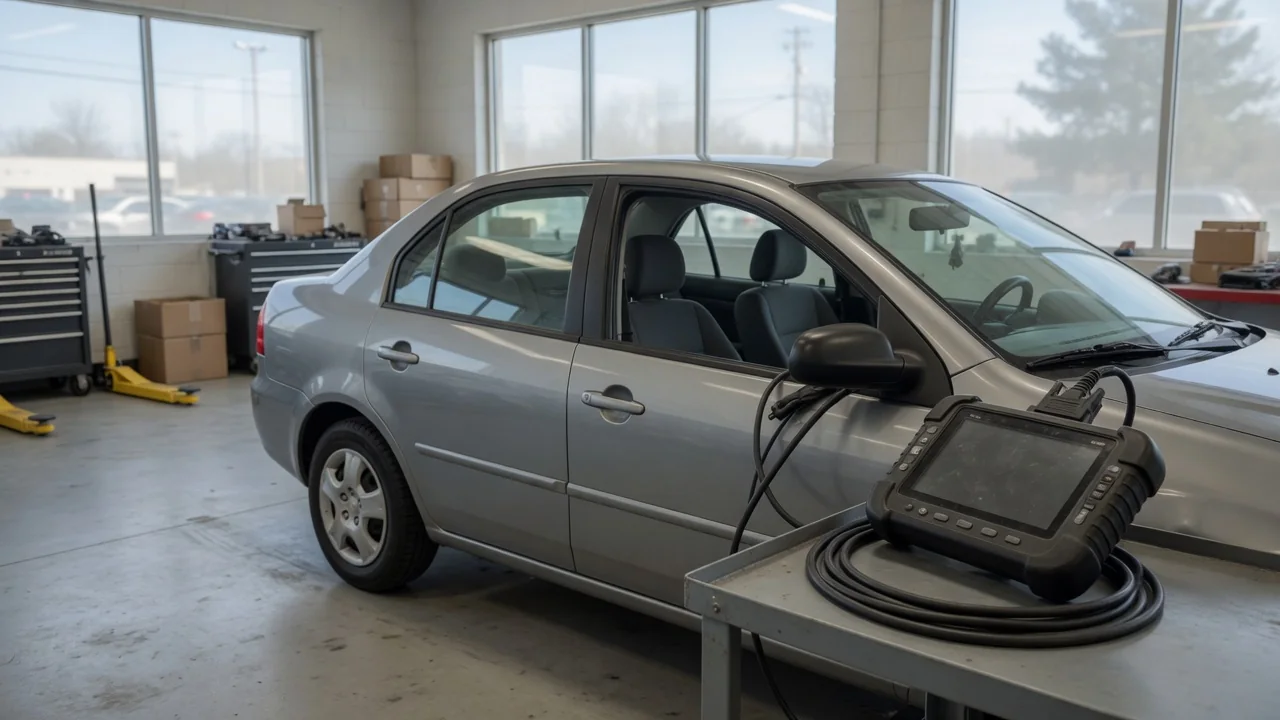
P1132 is a manufacturer-specific trouble code, so its meaning is not universal. Before treating the P1132 code as a failed oxygen sensor or a fueling problem, confirm the published description for the exact make, model, year, and engine. Powertrain diagnostics should use that definition plus freeze-frame data, oxygen sensor signal behavior, and fuel trim readings. A stored P1132 is evidence to interpret, not proof that a part has failed.
Verify What P1132 Means for Your Vehicle
P1132 is a manufacturer-specific trouble code, which means the same alphanumeric label can describe different conditions depending on the vehicle. Service information for the exact make, model, year, and engine is required before interpreting the P1132 code. Generic powertrain lists are not a substitute for that confirmation. Until the published definition is verified, do not assume the code points to an upstream oxygen sensor, a rich exhaust indication, or any other particular system. Application-specific wording is the starting point for diagnosis, not a later check.
Some Ford applications describe P1132 as a lack of upstream oxygen sensor switching with a rich indication. That description applies only after the same vehicle family, year, and engine are confirmed in manufacturer service information. Even then, the code alone cannot establish that an oxygen sensor has failed or identify a replacement part. A biased oxygen sensor signal, a genuine rich exhaust indication, wiring problems, or other fueling issues can produce similar stored evidence. Confirm the definition first, then treat P1132 as a diagnostic starting point.
Possible Symptoms and When to Stop Driving
Once the verified definition is consistent with an oxygen-sensor or fueling concern, possible symptoms can include an illuminated check engine light, rough running, increased fuel consumption, or no obvious drivability change. The check engine light may be the only owner-noticeable clue. Those observations support diagnosis of the P1132 code, but they do not confirm the cause. Similar drivability complaints can appear with unrelated powertrain faults, so symptoms should be recorded and compared with freeze-frame data rather than used as a substitute for testing.
A flashing check engine light, severe shaking, substantial power loss, or a strong raw-fuel odor is a reason to stop driving as soon as it is safe and arrange assistance. Those conditions can indicate a misfire or unburned fuel that should not be driven through. A steady warning light still warrants prompt assessment. The P1132 code by itself cannot establish whether continued driving is safe, because the stored label does not describe how the engine is currently running or whether related faults are present.
Potential Causes After the Definition Is Confirmed
After a confirmed oxygen-sensor rich-indication definition, several conditions can produce the stored evidence. Actual excess fuel can create a rich exhaust indication that the control module reports. A biased oxygen sensor signal can look rich even when mixture is closer to commanded values. A circuit fault in the sensor wiring or connector can also distort the oxygen sensor signal. None of those possibilities is proven by P1132 itself. Each remains a hypothesis until the vehicle-specific diagnostic procedure and corroborating measurements support it.
Fuel-delivery, air-metering, and evaporative purge-system faults may appear in the confirmed procedure as items to evaluate, not as automatic conclusions. Sensor wiring and connector damage belong in that same inspection list because corrosion, broken conductors, or poor terminal contact can mimic a rich indication. No cause should be labeled the most frequent without supporting evidence for that application. A named component is not a confirmed failure until testing isolates it. Treat every candidate as something to prove or rule out with the published powertrain diagnostics.
Safe Information to Gather Before Diagnosis
Before a technician begins tests, record vehicle identification details, the exact P1132 code description from the scan tool, any other stored or pending codes, and the symptoms noticed. Save available freeze-frame data before clearing codes or disconnecting the battery, because that snapshot can preserve useful operating conditions such as engine temperature, load, and fuel trim readings at the time the fault set. Related codes often change how the P1132 evidence should be interpreted, so the full list belongs with the vehicle information.
Note whether symptoms occur during cold starts, warm idle, or normal driving, without deliberately trying to provoke a fault. Owner observations should stay limited to accessible areas with the engine off and cool, such as obvious connector damage that can be seen without removing covers. Fuel-system work, electrical probing, and access beneath the vehicle should be left to qualified professionals. Those tasks can involve residual pressure, hot surfaces, and live circuits. Gathering identification, code text, freeze-frame data, and operating notes is useful preparation, not a substitute for the diagnostic procedure.
Professional Tests That Can Narrow the Cause
A technician should follow the confirmed vehicle-specific diagnostic procedure for P1132 and account for related codes rather than jumping to a sensor replacement. When the verified definition involves a rich indication, fuel trim readings, oxygen sensor signal behavior, and other relevant operating data can help assess whether the mixture is actually rich, the sensor is biased, or the circuit is unreliable. Those values must be read in the operating conditions the procedure specifies. A single snapshot at idle may not represent the conditions stored in freeze-frame data.
Circuit checks can determine whether the oxygen sensor signal path is intact, shorted, or high-resistance. Sensor-response testing evaluates whether the sensor tracks mixture changes as the control strategy expects. Fuel-system testing looks for delivery or metering problems that could create a genuine rich exhaust indication. None of those steps is a home repair procedure, and they should be performed with the equipment and safety practices the service information requires. One scan reading cannot isolate the fault. Operating conditions and corroborating test results are what give the P1132 code diagnostic meaning.
Evidence-Based Repairs and Confirmation
Repair options should follow the test results, not the code number. Correcting a demonstrated wiring fault, resolving a proven fueling problem, or replacing a sensor shown to be defective are examples of evidence-based work. The affected component and the vehicle application must be confirmed before parts are selected, because identification comes from the confirmed application rather than from P1132 alone. Clearing P1132 alone does not repair the underlying fault. If the condition that set the code remains, powertrain diagnostics can restore the same manufacturer-specific trouble code after the next qualifying drive cycle.
After repairs, verification should use appropriate scan data, code status, and any manufacturer-prescribed checks in the confirmed procedure. Fuel trim readings and oxygen sensor signal behavior can show whether the previously documented rich indication is still present under comparable conditions. An immediately absent P1132 code does not prove the repair is complete, because some monitors require specific driving conditions before they run. Pending status, freeze-frame comparison, and a completed monitor where the procedure calls for it provide stronger confirmation than a single key cycle with no lamp.