P1131 Code: Vehicle-Specific Meaning, Causes, and Repairs
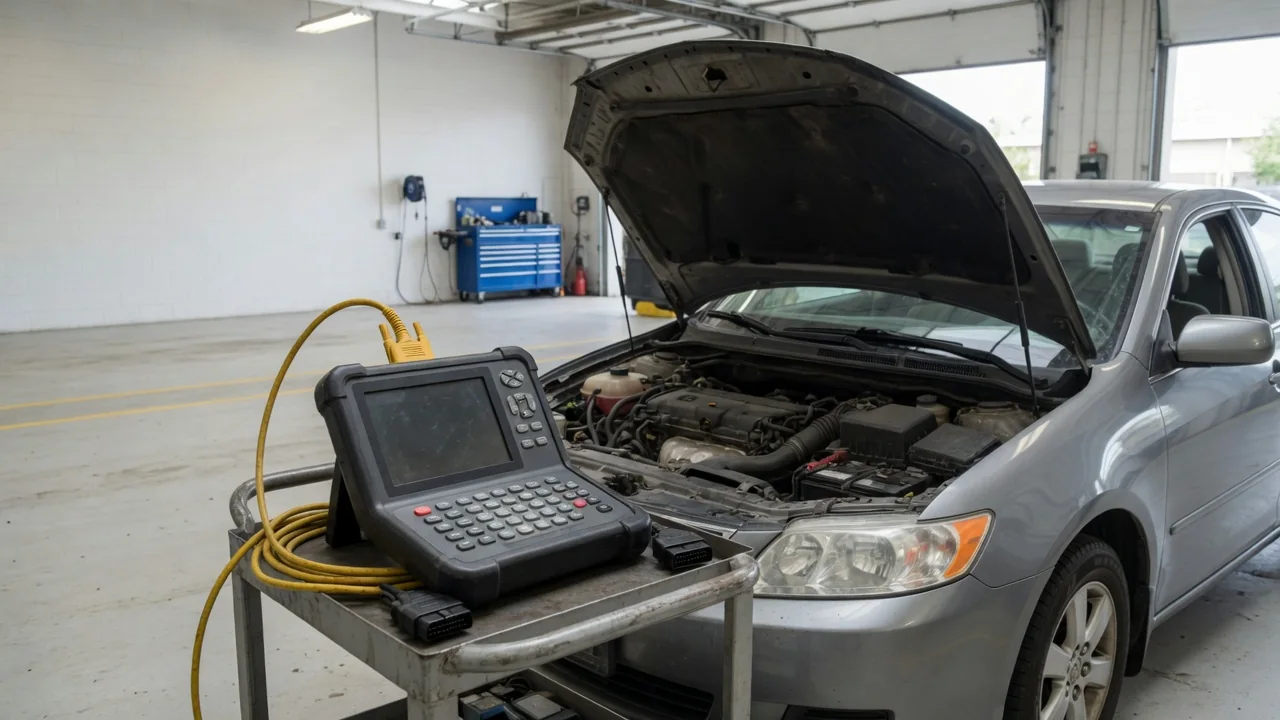
P1131 is a manufacturer-specific powertrain diagnostic trouble code, not a single industry-wide meaning that applies to every vehicle. A stored P1131 code tells you the powertrain control module recorded a condition that matches that maker's definition, so year, make, model, engine, and the exact scanner description matter before any interpretation. Treat the code as evidence of a detected condition, not proof that a particular part has failed.
Verify What P1131 Means for Your Vehicle
Unlike many generic diagnostic trouble codes, P1131 does not have one universal definition across manufacturers. The same alphanumeric identifier can describe different powertrain conditions depending on how that automaker programmed the powertrain control module. Confirm the vehicle year, make, model, engine family, and the applicable service information before assigning a meaning. A scan tool caption is a starting clue, but it still must be checked against factory documentation for that application rather than assumed from a generic catalog.
On some Ford applications, after that confirmation, P1131 has been associated with a lack of upstream oxygen sensor switching together with a lean indication. That example applies only when service information for the specific vehicle matches; it is not a default reading for every P1131. Even then, the code identifies a detected condition in the oxygen sensor signal or related mixture control, not a confirmed failed sensor. Interpreting P1131 without matching the definition to the vehicle can send diagnosis toward the wrong system.
Possible Symptoms and Signs That Need Prompt Attention
Once the vehicle-specific meaning is known, possible signs can include an illuminated check-engine light, a rough idle, hesitation, or reduced performance. Those drivability changes are not guaranteed, and a P1131 code can be present with no noticeable change in how the vehicle drives. Symptom patterns also vary with the confirmed definition, so a lean-related application may behave differently from another manufacturer's use of the same identifier. Symptoms by themselves cannot establish the cause, and they should be recorded rather than treated as a diagnosis.
A steady check-engine lamp with otherwise normal operation still warrants scheduled diagnosis, because the stored P1131 remains evidence of a condition the module flagged. Do not treat continued driving as automatically safe based only on this code. If the check-engine light flashes, or if the vehicle develops severe shaking, stalling, or substantial power loss, stop safely when conditions allow and seek professional assistance. Those more severe signs can point to misfire, fueling, or other problems that may accompany the original code and need prompt attention.
Potential Causes After the Code Definition Is Confirmed
After the definition is confirmed, possible causes depend on what the powertrain control module actually flagged. For applications with a verified lean-indication meaning, unmetered intake air can dilute the mixture after the air has been measured, while a fuel-delivery problem can leave the engine short of fuel for the air that entered. Either path can produce a lean condition that shows up in fuel trim and in the oxygen sensor signal. That cause discussion applies only when the lean-related definition has been verified for the vehicle.
An exhaust leak near the relevant oxygen sensor can pull in outside air and bias the sensor reading toward lean without proving that the engine itself is running lean. Sensor performance issues, damaged wiring, and connector faults can also distort the oxygen sensor signal and need testing rather than assumption. These conditional possibilities do not automatically apply to every manufacturer that uses P1131, and no ranking by how often a cause appears is justified without vehicle-specific evidence. Each possibility remains a hypothesis until tests confirm or rule it out.
Information Owners Can Safely Gather Before Diagnosis
Before any codes are cleared, record every stored and pending diagnostic trouble code, the exact scanner description for P1131, and any available freeze-frame data. Freeze-frame snapshots capture operating conditions when the code set, such as load, temperature, and engine speed, and those details help a technician reproduce the event. Note whether any drivability change happens at startup, at idle, during acceleration, or after the engine warms, and write down recent repairs or parts that were disturbed. That history is more useful than a cleared memory with no context.
With the engine off and cool, a careful look at accessible areas can note an obviously disconnected intake duct, a loose clamp on a visible air hose, or damaged wiring and connectors within easy view. Those observations are limited: many intake air leaks, exhaust leaks, and circuit faults are not visible from a casual inspection. Do not use flammable sprays to hunt leaks, do not open the fuel system, and do not reach toward hot exhaust parts or moving components. Safe documentation supports diagnosis; unsafe probing does not.
Professional Tests That Can Narrow Down the Fault
A technician should follow the diagnostic procedure that matches the confirmed vehicle-specific definition of P1131 and should account for any accompanying codes rather than treating this identifier in isolation. Related misfire, fuel-trim, or oxygen-sensor codes can change the test path. For a confirmed lean-related application, fuel-trim values and oxygen sensor signal data under the operating conditions described in service information help decide whether the mixture is actually lean, whether a sensor is slow to switch, or whether the module is reacting to another fault.
Professional work may include intake-leak testing to find unmetered air, exhaust inspection near the relevant sensor, fuel-delivery testing to confirm pressure and volume against the values in that vehicle's service information, and circuit checks of the oxygen sensor wiring and powertrain control module inputs. Those tests stay at a purpose level because the exact methods are vehicle-specific and some involve hazards. A sensor reporting a lean condition may be detecting a real mixture problem; its signal alone does not justify replacement. Replacement is considered only after the circuit and related systems have been evaluated.
Evidence-Based Repairs and Confirmation
Repair options should follow test results rather than the mere presence of P1131. A confirmed intake air leak is sealed or the damaged duct is restored, a proven wiring or connector fault is repaired, a documented fuel-delivery problem is corrected, or a sensor that has failed its vehicle-specific tests is replaced. Any sensor location and replacement part must be identified from that vehicle's service information, because upstream sensor placement and service parts are not interchangeable by guesswork. Installing a part without that identification can leave the original fault in place.
Clearing the P1131 code or disconnecting the battery does not repair the underlying condition and can erase freeze-frame data and related diagnostic trouble codes that a technician still needs. After a justified repair, confirmation includes reviewing whether the original symptoms have improved, verifying that the code does not return under similar conditions, and completing any remaining powertrain monitors. Monitor completion depends on the vehicle's drive-cycle requirements and cannot be assumed after a short trip. Persistent or returning codes mean further testing is still required.