P1130 Code: Vehicle-Specific Meaning, Diagnosis, and Repairs
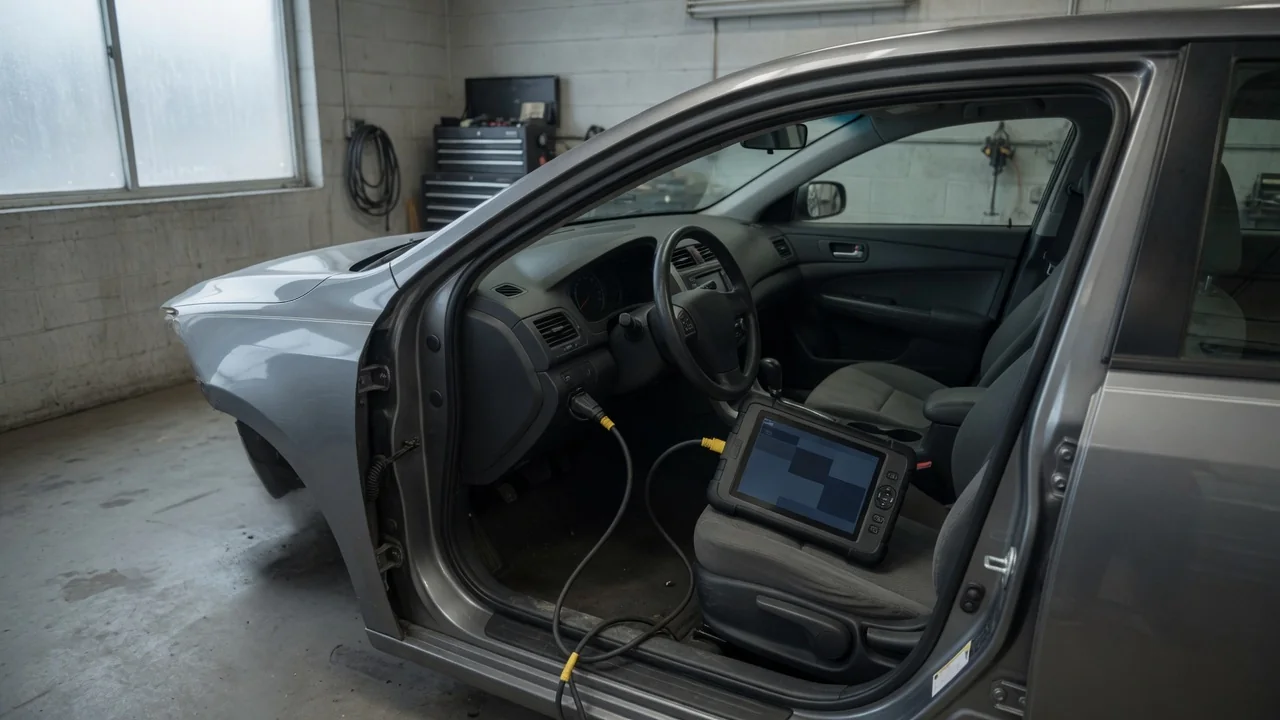
A P1130 code is a manufacturer-specific trouble code, so the same number can describe different monitored conditions depending on the vehicle. Interpreting it starts with vehicle identification—year, make, model, and engine—and the exact definition in that vehicle’s service information. A scan tool description is a starting point, not a diagnosis. The check engine light storing P1130 is evidence of a fault condition, not proof that any particular part has failed.
Verify What P1130 Means for Your Vehicle
P1130 cannot be interpreted from the code number alone. Manufacturers assign this identifier to different systems and failure conditions, so a short scanner label may be incomplete, generic, or even mismatched to the vehicle you are working on. Before discussing the affected system, confirm year, make, model, engine, and the exact code definition in vehicle-specific service information. That confirmation is the only reliable way to know which monitor set the P1130 code and what operating conditions the control module was evaluating.
A scan tool’s short description still needs verification against the factory definition. Aftermarket tools often display abbreviated text that does not capture manufacturer-dependent details, dual definitions, or related subcodes. Even a correctly worded description does not establish which part has failed. The stored P1130 points to diagnostic testing of the named circuit, sensor signal, or operating condition, not to a parts list. Treat the code as evidence to interpret once the vehicle and definition are confirmed.
Symptoms to Record and Signs to Stop Driving
A check engine light may be the only noticeable symptom of a P1130 code. If drivability changes are present, they must be considered alongside the verified definition rather than used as a shortcut to a part name. Record rough running, hesitation, stalling, or changes in fuel use if they occur, and note whether they appear during startup, warm operation, or acceleration. Those details help a technician match freeze-frame data and live readings to the conditions the monitor actually saw.
Symptoms alone cannot identify the cause of P1130 or establish whether continued driving is safe. The same rough idle or hesitation can arise from unrelated faults, and a vehicle with no drivability complaint can still have a stored manufacturer-specific trouble code. Stop safely and seek assistance if the check engine light is flashing, the engine shakes severely, power drops substantially, smoke appears, or a strong fuel odor is present. Those signs indicate a condition that should not be diagnosed from the driver’s seat.
Possible Causes Depend on the Confirmed Code Definition
Possible causes of a P1130 code depend on the system and failure conditions identified by the vehicle’s service information, not on the digits themselves. Once that definition is confirmed, possible contributors may include wiring, connectors, sensor signals, or underlying operating conditions—but only where they apply to that definition. A code that names a sensor or monitored condition can still result from a fault elsewhere in the relevant system, such as an open, short, poor connection, or an operating condition that the sensor is reporting accurately.
No cause should be labeled common across all vehicles that store P1130, and the code number alone does not justify replacing a part. Two vehicles can share the same identifier and still involve different circuits, control strategies, and failure thresholds. After vehicle identification and the factory definition are confirmed, diagnostic testing is what separates a wiring issue from a genuine component fault or an upstream condition. Replacing a named sensor without that confirmation risks leaving the original fault in place and adding an unnecessary repair.
Safe Checks and Information to Gather Before Diagnosis
Before any clearing or guesswork, record all stored and pending codes, the exact scanner descriptions, and any available freeze-frame data. Pending codes show a monitor that has not yet matured into a confirmed fault, and freeze-frame data captures engine speed, load, temperature, and related readings at the moment P1130 set. Note recent repairs, battery interruptions, and when the warning first appeared, without assuming those events caused the code. That history can explain lost adaptive values or interrupted monitors, but it is context, not a diagnosis.
Limit visual observations to readily visible damage or disconnected components with the vehicle parked and the engine off and cool. Look for obvious connector issues, damaged wiring that can be seen without probing, or parts left unplugged after other work. Do not disconnect the battery or clear codes before diagnosis; doing so can erase freeze-frame data, pending codes, and monitor status without fixing the fault. That lost evidence makes it harder to reproduce the conditions that stored P1130 and delays useful diagnostic testing.
How a Technician Diagnoses a P1130 Code
A technician diagnosing a P1130 code starts with the verified vehicle-specific definition and any related codes stored with it. Related faults can show whether the monitor is reacting to a shared circuit, a fuel or air metering issue, or an independent failure. Freeze-frame conditions and relevant live data then help determine when the monitored fault occurs—cold versus warm, idle versus load, or during a specific operating mode. Matching those conditions to the factory monitor description keeps testing focused on the system that actually set the code.
Professional circuit, signal, or system testing should follow manufacturer test procedures and specifications for the confirmed definition, not a generic chart for every P1130. That may include checking continuity, comparing sensor signals to expected ranges for that vehicle, or evaluating the operating conditions the monitor requires. Active electrical checks, hot-engine inspections, and fuel-system testing require suitable training and equipment; they are not driveway shortcuts. Without those procedures, a technician cannot distinguish a failed component from a wiring fault, a control-module issue, or a condition the sensor is correctly reporting.
Choose the Repair and Confirm the Fault Is Resolved
Repair options should follow confirmed findings, not the code number. That may mean repairing an affected connection, correcting a verified system fault, or replacing a component that fails testing against vehicle-specific specifications. Identify the correct part from the vehicle’s identification data before any replacement, and do not assume interchangeability from P1130 alone. Compatibility and part numbers are manufacturer-dependent and must be confirmed for that year, make, model, and engine. A part that shares a name with the scanner description is not automatically the failed item.
Clearing the check engine light alone does not verify a successful repair. After the confirmed fault is corrected, follow-up scanning should show that P1130 is gone and that related pending codes have not returned. Repair verification also requires completion of the applicable diagnostic monitor under the operating conditions the manufacturer specifies for that vehicle. If the code returns, professional reassessment is needed; the original finding may have been incomplete, or another fault in the same system may still be present. A dark warning lamp after a reset is not proof the monitor has passed.