P1128 Code: Vehicle-Specific Meaning, Diagnosis, and Repair
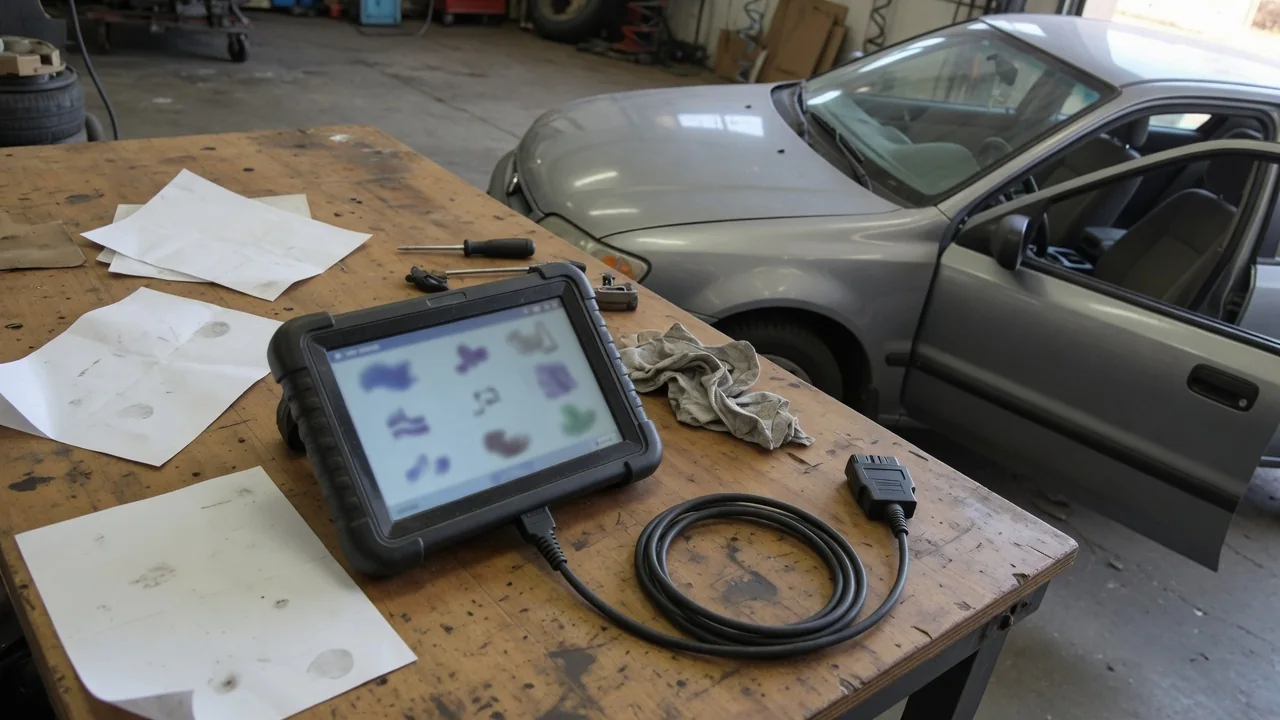
A P1128 code is a manufacturer-specific trouble code, not a single SAE-defined generic fault. Its meaning depends on the control module strategy written for that vehicle, so a scanner label is only a starting clue. Confirming vehicle identification, reading freeze-frame data, and following the correct diagnostic path prevent guessing at fuel control, sensor, or intake issues that the code number alone cannot prove.
Verify What P1128 Means for Your Vehicle
P1128 cannot be given one universal definition because manufacturers assign that number to different monitored systems. Before interpreting the code, identify the make, model, model year, engine, and the service information that applies to that calibration. The same P1128 code on two brands can point at unrelated fuel control, sensor, or intake strategies. Without that vehicle identification, any explanation remains incomplete and the exact meaning stays unresolved.
A generic scanner description may paraphrase a stored P1128 in language that does not match the manufacturer diagnostic definition. Aftermarket tools sometimes reuse a common phrase across brands, which can send diagnosis toward the wrong circuit or mixture strategy. Major-manufacturer applications can be interpreted only when the exact service definition is confirmed for that identified vehicle. If the factory wording cannot be verified, treat the definition as unresolved rather than assuming a popular internet meaning.
Symptoms and Signs That Need Prompt Attention
A stored P1128 code may appear with an illuminated check engine light, rough running, hesitation, or with no noticeable driving change. Those observations are possible, not a universal symptom set for every application. The light only reports that a control module stored a manufacturer-specific condition; it does not identify which part failed. Drivability clues still cannot confirm the code's meaning or isolate a sensor, injector, or air intake leak without the vehicle-specific definition and supporting data.
Stop as soon as it is safe and seek assistance if the vehicle shakes severely, stalls, loses substantial power, shows a flashing check engine light, or produces a strong fuel odor. Those conditions can indicate an unsafe mixture, misfire risk, or a leak that should not be driven through. Whether the vehicle is suitable to continue driving depends on the observed symptoms and the confirmed vehicle-specific fault, not on the P1128 number itself. Mild or absent drivability change still deserves scheduled diagnosis.
Record Diagnostic Clues Before Clearing the Code
Save the exact scanner wording for P1128, every accompanying code, each code's status, and any freeze-frame data before clearing anything. Note whether the entry is pending, current, or stored, because pending codes can show a condition that has not yet matured. Record the operating snapshot if available: engine temperature, load, speed, and whether the fault appeared during a cold start, warm idle, acceleration, or another identifiable condition. That context later tells a technician which test conditions to recreate.
Also write down recent repairs, a battery disconnection, a refueling stop, or other changes around the time the light came on, without treating them as the proven cause. Those notes are context for fuel control or sensor circuit testing, not a diagnosis. Clearing the P1128 code can erase freeze-frame evidence, drop pending status, and reset readiness monitors while the underlying condition remains. If the fault is intermittent, that lost snapshot may be the only record of the operating point that set the code.
Possible Causes Depend on the Confirmed Definition
Possible causes follow the system and the setting conditions in the vehicle's diagnostic procedure, not a generic P1128 parts list. Once the factory definition is confirmed, the technician investigates that monitored path under the stated enable criteria. For applications where P1128 concerns fuel control, an air intake leak, restricted or inconsistent fuel delivery, or inaccurate sensor inputs can prevent the module from reaching the commanded mixture. Those possibilities warrant investigation only after the definition and freeze-frame operating point are known.
Wiring or connector faults belong in the cause list only when they relate to the confirmed monitored system and the diagnostic evidence already captured. A control module that stores P1128 has detected a condition outside its programmed limits; that detection is not proof that a particular sensor, module, or vacuum hose has failed. Visual inspection, live data, and specified tests must still confirm the actual defect. Unsupported rankings that place one part first for every vehicle ignore how manufacturer-specific trouble codes actually work.
Safe Observations and Professional Diagnostic Testing
Owner checks should stay limited to recording scanner information and looking, with the engine off and cool, for obvious disconnected hoses, loose connectors, or visible damage. Do not probe live circuits, smoke an intake, or pressurize a fuel system as a do-it-yourself step. Components that look intact can still leak unmetered air, have intermittent electrical faults, or report incorrect values. A normal appearance therefore does not clear P1128 or prove that sensor circuit testing is unnecessary.
A technician follows the application-specific diagnostic sequence, comparing relevant live data with the conditions specified for that P1128 definition. That sequence may include mixture-related parameters, sensor voltages, or commanded versus actual fuel control values, depending on the vehicle. When the procedure indicates it, professional tests can include smoke testing for an air intake leak, fuel pressure testing, and electrical measurements on the implicated circuit. Those tests belong in a shop with the correct equipment; they are not a substitute for guessing from the code label.
Repair the Verified Fault and Confirm the Outcome
Repair options follow confirmed findings: sealing a demonstrated leak, restoring a damaged circuit, or replacing a component that fails the specified tests. The P1128 code only flags a monitored condition; it does not by itself identify the part to replace. Replacing sensors or modules solely because they appear in a scanner description can leave the underlying air, fuel, or wiring fault unresolved and may create new issues. Repair verification starts with the defect that testing actually proved, then returns to the manufacturer conditions that originally set the code.
After the repair, confirmation must occur under the applicable manufacturer test conditions, including a check for returning codes and any persistent symptoms. A light that stays off for one short trip is not complete repair verification if readiness monitors have not run or if freeze-frame conditions were never duplicated. Diagnostic time and repair scope depend on the vehicle and on what the tests reveal, so request the supporting findings and an itemized estimate before authorizing work. That record shows why P1128 was stored and what actually restored the system.