P1126 Code: Verify Its Meaning, Causes, and Repair Options
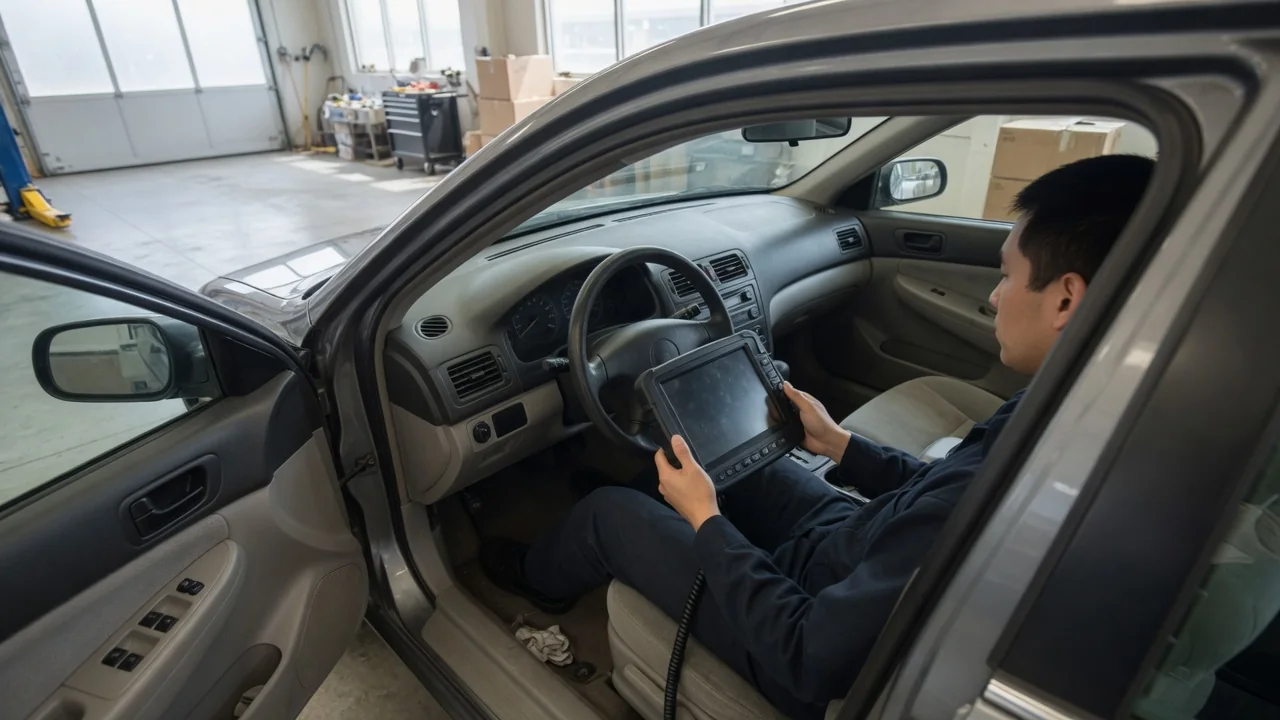
A P1126 code can appear when your vehicle’s engine control module detects an abnormal operating condition, but the problem it points to varies by manufacturer. Without checking the exact year, make, model, and engine, you cannot safely assume which sensor, circuit, or system is involved. A stored trouble code is a starting point for diagnosis, not proof that any part has failed. Recording the freeze-frame data and any other codes before clearing them helps a technician follow the correct service procedure and avoid replacing good components.
Verify What P1126 Means for Your Vehicle
P1126 is a manufacturer-specific diagnostic trouble code, meaning its definition is not standardized across the automotive industry. On one vehicle it could relate to a throttle control circuit, while on another it might indicate a fuel system or transmission pressure condition. Because the same code can point to different systems in different models, applying a generic description from a scan tool often leads to misdiagnosis. The correct interpretation always depends on the vehicle service information for the specific application, including the engine and transmission combination.
A fault code records that the control module detected a condition outside its expected range, not that a particular sensor, actuator, or wiring harness has definitely failed. Electrical noise, a loose connector, or a temporary software glitch can set a code without any bad component. A generic scanner description may mention only a broad category such as "manufacturer control" or "fuel and air metering." Technicians must verify the code definition and follow the manufacturer procedure for that exact vehicle before drawing conclusions or replacing parts.
Record Symptoms and Recognize When to Stop Driving
The check engine light may be the only change you notice when P1126 is stored. Some vehicles continue to run normally for a long time, while others may exhibit rough running, hesitation, stalling, reduced power, or unusual starting behavior. The presence or absence of these symptoms must be interpreted using the verified code meaning for your vehicle, because the same symptom can appear with many different faults. Note exactly what you feel and when it happens, but do not assume it is caused by P1126 until the definition is confirmed.
Pay attention to whether the concern occurs at startup, during warm-up, at idle, or under load, and record the circumstances without deliberately creating unsafe conditions. If you experience severe power loss, repeated stalling, overheating, or a flashing check engine light, stop driving as soon as it is safe and seek assistance. A flashing light usually indicates a misfire condition that could damage the catalytic converter. Continuing to drive in that state can turn a manageable electrical or sensor fault into an expensive mechanical repair.
Identify Possible Causes From the Confirmed Definition
Once the exact meaning of P1126 is confirmed for your vehicle, possible causes become much narrower. For example, if the service information describes a throttle position sensor circuit range/performance problem, you would focus on the sensor wiring, connector, and signal, not on unrelated systems like the evaporative emissions canister. If the definition relates to fuel pressure, the relevant items might include the fuel pump, pressure regulator, filter, and associated wiring. Every proposed cause must be tied to the vehicle-specific diagnostic procedure rather than a generic list of likely parts.
A circuit-related description often indicates a problem with the wiring or power supply to a component, not necessarily the component itself. A broken wire, corroded terminal, or poor ground can produce the same code as a failed sensor. The correct approach is to inspect the accessible connectors and harness for damage, then measure voltage, resistance, or signal with the proper tools according to the manufacturer procedure. Without confirming the definition and testing the circuit, replacing a sensor is no more reliable than a guess.
Preserve Useful Evidence Before Diagnosis
Before you disconnect the battery or clear the code, record the exact number, the scanner wording, and the status if your scan tool supports stored, pending, or permanent codes. Also save any freeze-frame data that shows engine speed, coolant temperature, fuel trims, and other values captured when the fault was detected. This information helps a technician understand the operating conditions that set the code and can prevent the loss of valuable evidence. Clearing the memory erases these details and may turn a straightforward diagnosis into a longer process.
Note any recent repairs, battery replacements, jump starts, or unusual events, but do not assume they caused the fault. A loose battery terminal after a replacement can produce multiple communication codes, while a recent repair may have disturbed a connector. Owner observations should be limited to what can be seen with the vehicle parked, the engine off, and the key removed. Leave connector removal, electrical probing, and any running-engine checks to a qualified technician, because airbags, high-voltage systems, and moving parts can cause injury.
Understand What Professional Testing Must Establish
A professional technician should begin with the manufacturer diagnostic procedure for the confirmed P1126 definition in your vehicle. This often involves using a scan tool to view live data, compare actual values to expected values, and operate specific components under controlled conditions. Electrical measurements at the relevant connector can reveal an open circuit, a short to ground, or high resistance. The goal is to narrow the fault to a specific wire, connection, component, or mechanical condition using evidence, not to replace parts until the light goes out.
Accompanying trouble codes should be evaluated together with P1126, because one fault can generate several related codes. For example, a failing alternator can set voltage-related codes in multiple modules, and the first code listed may not be the root cause. The technician should look for patterns in freeze-frame data and use the service procedure to determine which condition occurred first. Only after test evidence links the detected condition to a confirmed defect should a repair be recommended.
Choose a Supported Repair and Verify the Result
A confirmed diagnosis may lead to a wiring repair, connector repair, component replacement, or correction of a mechanical condition such as a vacuum leak or stuck valve. The exact outcome depends on what diagnostic testing reveals, and no single repair is appropriate for every P1126 code. Clearing the code without repairing the underlying fault will only turn off the light temporarily; the code will return when the monitoring conditions are met again. A proper repair restores the system to its expected operating range.
After completing the repair, the technician should follow the applicable verification procedure, which may include clearing the code, performing a drive cycle, and rechecking for pending codes and monitor completion. Symptom review and follow-up scanning under safe conditions confirm that the original condition has not returned. The cost of diagnosis, access, parts, and the confirmed fault all affect the final repair bill, so a fixed estimate without a diagnosis is unreliable. A careful, evidence-based approach is the only way to ensure the P1126 code is truly resolved.