P1123 and P1124 Codes: Vehicle-Specific Meanings and Diagnosis
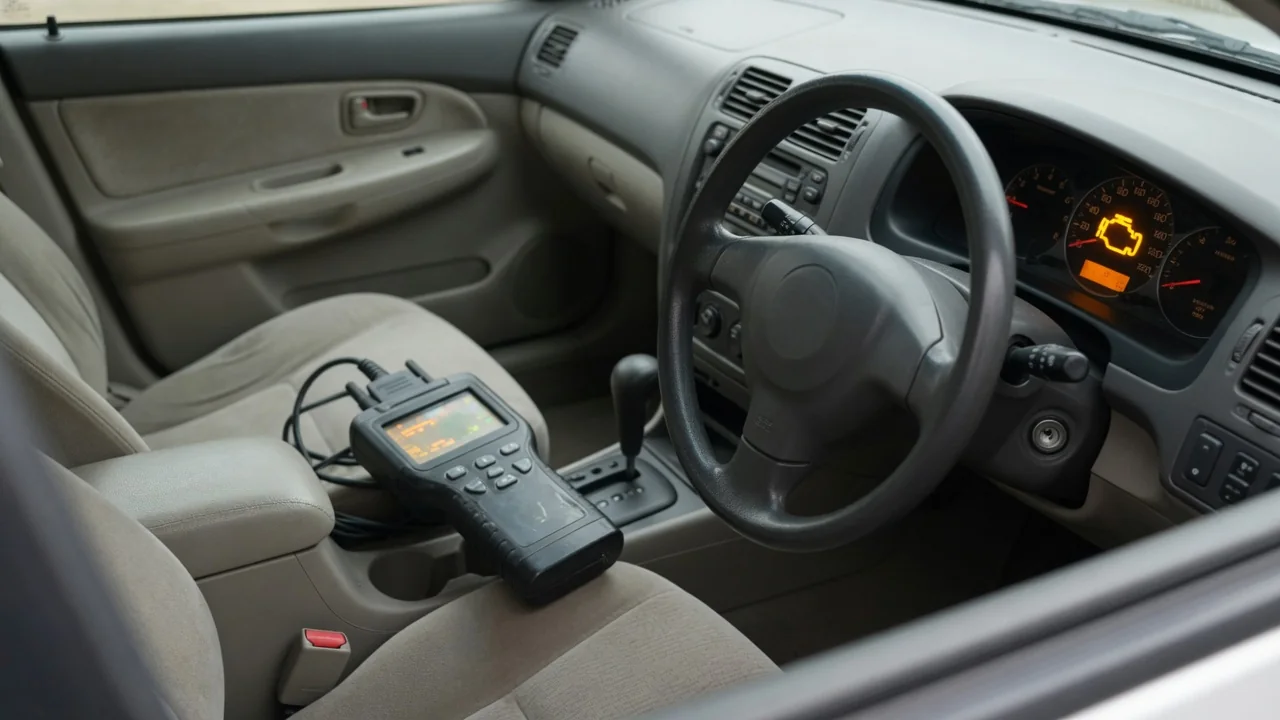
When a P1123 or P1124 trouble code appears, it signals a concern that needs vehicle-specific interpretation, not a generic answer. These manufacturer-defined codes can point to fuel delivery, throttle control, or sensor problems depending on the make, model, and engine. Because meanings vary between automakers, repair guidance must begin with the exact vehicle details and the module that set each code.
Verify P1123 and P1124 Meanings for the Exact Vehicle
P1123 and P1124 are manufacturer-specific power train codes, which means their definitions are not standardized across all vehicles. One automaker may use P1123 for a fuel system issue while another assigns it to a throttle or air metering fault. Before any diagnostic work, you must confirm the exact meaning from a service manual or database for your vehicle’s year, make, model, engine, and the control module that reported the code.
Seeing both codes together does not automatically mean they share a single cause. Different modules, such as the engine control unit and transmission control unit, can set these codes for distinct reasons, even during the same driving event. Reliable diagnosis starts with listing both codes with their scan tool descriptions and then looking up each definition for the specific vehicle and system before any parts are replaced.
Symptoms to Record When P1123 Appears
The symptoms that lead to a P1123 diagnosis vary widely because the underlying monitored condition differs by manufacturer. A driver may notice a rough idle, hesitation when accelerating, occasional stalling, or reduced power, but many vehicles store this code without any obvious drivability change. The check engine light may be the only clue, and the vehicle might still run normally.
Record exactly when any symptom appears: during cold start, after warm-up, at light throttle, or under load. Note whether the engine seems to surge, bog, or run smoothly. If P1123 appears together with P1124 or other codes, do not assume a connection until you know what each code measures for that vehicle. Symptoms help the technician choose tests, but they cannot identify a failed part on their own.
Connect Possible Causes to the Confirmed Definition
Once the confirmed definition is known, possible causes can be narrowed by the vehicle’s system design. For example, if the code indicates a fuel trim or pressure condition, the fault may lie in a sensor, an actuator, a wiring path, or an air leak. A code that points to a throttle control performance problem could involve the throttle body, accelerator pedal sensor, or circuit integrity, depending on the make.
Keep track of the specific condition the code is monitoring versus the part that eventually fails. A P1123 that reports an air-fuel ratio imbalance might be caused by a vacuum leak, a dirty mass airflow sensor, or a failing oxygen sensor, but only tests from the manufacturer’s diagnostic flow can isolate the true source. Additional codes and freeze-frame data showing engine speed, temperature, and load can steer testing without proving one component caused all faults.
Preserve Diagnostic Evidence and Make Safe Observations
Before clearing trouble codes or disconnecting the battery, write down every piece of scan data. Record the full code list, each code’s status as stored or pending, the scan tool’s description, and the freeze-frame information captured when the code set. This data shows the operating conditions at the moment of the fault, and erasing it removes the roadmap a technician needs for an accurate diagnosis.
Limit your own inspection to safe, non-powered checks with the engine off and cool. Look for loose connectors, damaged harnesses, obvious vacuum hose cracks, or recent work that may have disturbed a sensor. Do not probe live electrical circuits, open fuel lines, or attempt to force a symptom while driving. Dangerous maneuvers to reproduce a hesitation can create risk without providing usable evidence for a professional repair.
What Professional Diagnosis and Repair Should Establish
A professional diagnosis begins with the exact vehicle’s service procedure for each code. The technician follows a step-by-step test plan that may include checking wiring resistance, sensor output values, actuator operation, and system pressure. The goal is to prove which circuit or component fails the manufacturer’s specification, not to guess based on a code’s written name alone.
Repair decisions must be tied to confirmed findings. For example, a throttle body should only be replaced if the prescribed tests show it does not meet the required voltage range, sweep smoothly, or hold position correctly. After the repair, the technician should clear the codes, run the vehicle through the conditions that originally set the fault, and confirm that the system operates within parameters and that no codes return under a proper drive cycle.
When to Stop Driving and What to Tell the Shop
A stored P1123 or P1124 does not by itself tell you if the vehicle is safe to drive. Serious symptoms demand immediate attention: heavy shaking, repeated stalling, loss of power that makes keeping up with traffic difficult, a flashing check engine light, smoke, or a strong fuel smell all mean you should pull over safely and call for assistance.
If the check engine light is steady and the vehicle seems to run normally, consult your owner’s manual for any specific warnings and schedule a diagnosis promptly. Do not assume that a steady light means you can continue indefinitely. When you take the vehicle to a shop, provide the exact year, make, model, engine, the full list of stored codes, freeze-frame data if you saved it, when symptoms occur, and any recent repairs or battery disconnects that may have erased earlier clues.