P1118 Code: What It Means, Symptoms, Causes and Diagnosis
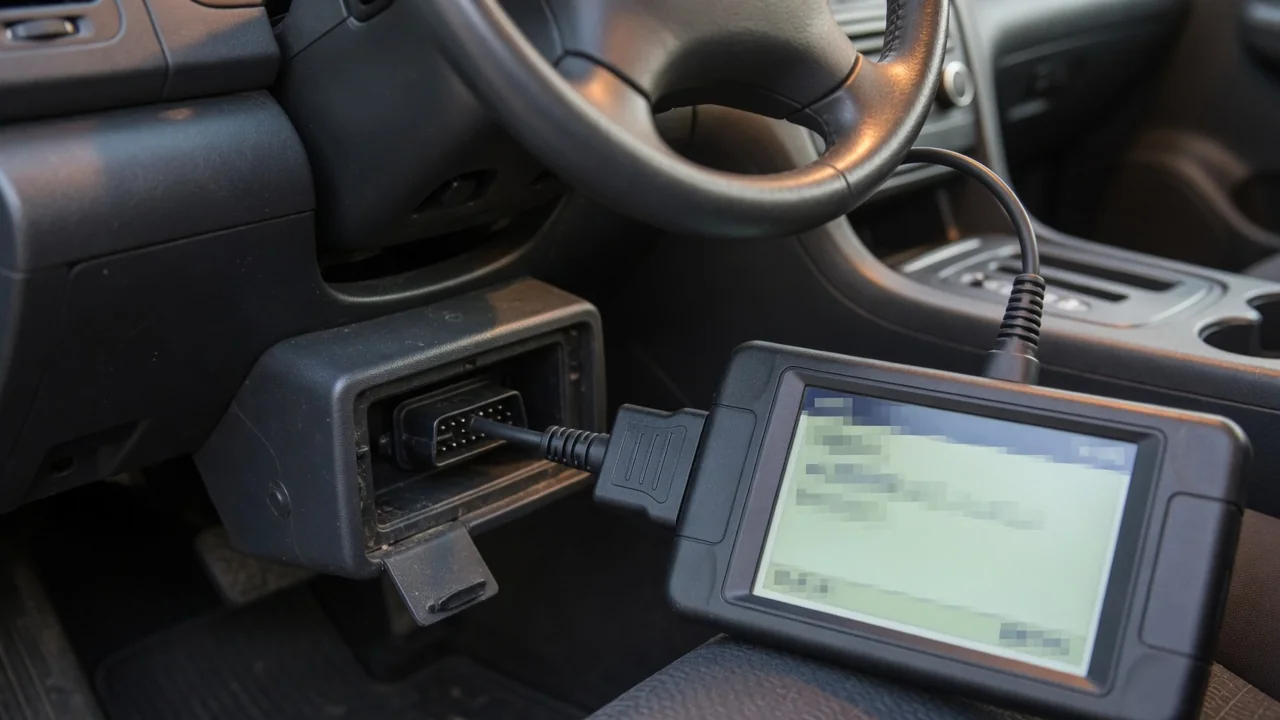
A P1118 code is a manufacturer-specific powertrain diagnostic trouble code that cannot be interpreted with one universal definition. Because automakers use the P1xxx range for their own monitoring routines, the same code can point to different circuits or components depending on the vehicle. Drivers may see a check engine light, subtle drivability changes, or no obvious symptoms at all. To address the fault correctly, you need the exact definition for your make, model, year, and engine.
What a P1118 Code Is and Why Its Meaning Varies by Manufacturer
Generic OBD-II codes beginning with P0 follow standardized definitions across most vehicles, but P1xxx codes are reserved for manufacturer-specific powertrain logic. When a vehicle sets P1118, the powertrain control module has detected a condition that the automaker defined for its own engine management or emissions strategy. Consequently, reading only the code number tells you almost nothing reliable. The same P1118 might relate to a coolant temperature sensor circuit on one brand and an intake air temperature circuit on another.
A basic code reader may display P1118 with a vague label or no description at all because it lacks the enhanced manufacturer data. Treating that generic reader output as a diagnosis can send you toward the wrong component. Instead, confirm the meaning through factory service information for your specific vehicle, a dealer, or a scan tool that supports manufacturer-specific trouble code definitions. Only after matching the code to the exact application can you interpret the circuit, sensor, or control module logic that triggered it.
How to Look Up the Correct P1118 Definition for Your Vehicle
Before trying to interpret P1118, record your vehicle identification number, model year, engine size, and the complete scan tool readout. The VIN encodes the exact calibration and emissions package, which determines how the powertrain control module uses the P1 code. An enhanced scan tool or factory-level diagnostic software can decode P1118 and show the manufacturer’s description, related live data, and sometimes a test routine. With that information, you can look up the code in the correct service manual rather than guessing from a generalized list.
Also save freeze frame data and note any other stored or pending codes along with P1118. Freeze frame records the operating conditions when the fault was set, which helps later diagnosis. A shop may need all of this together. Avoid relying on forum posts or generic code charts written for a different brand or engine, because a definition that fits one vehicle often has no relation to another. Manufacturer service information, a dealer parts or service department, and some subscription-based repair databases are the most reliable sources.
Symptoms Drivers May Notice With a P1118 Code
Because P1118 is tied to a manufacturer-defined circuit or system, no fixed symptom list applies to every vehicle. On one model the code may accompany an illuminated check engine light and a slightly high idle; on another it may appear with poor fuel economy or an inaccurate temperature gauge. Some drivers notice hesitation under acceleration or rough running during warm-up, while others see no change in drivability. The warning light itself is often the only outward sign, and fault code evidence alone does not describe how the vehicle behaves.
Note when symptoms occur to give a technician useful context. A problem that appears only on a cold start, after the engine reaches operating temperature, or under load can point toward different parts of the circuit. Safely observe idle quality, throttle response, temperature gauge readings, and any unusual smells or sounds, but do not attempt to test components while the engine is hot or running. Writing down the conditions—ambient temperature, engine temperature, gear position, and recent driving—can help narrow the diagnosis far more than the code number alone.
Possible Cause Categories Behind a P1118 Code
Once the manufacturer definition is known, possible causes usually fall into broad categories: a faulty sensor, damaged wiring harness, connector corrosion, a circuit issue such as high resistance or a short, or a control module concern. The code generally means the powertrain control module saw an electrical value outside the expected range for that circuit. It does not prove that the sensor itself has failed. Loose pins, chafed insulation, moisture inside a connector, or a biased reference voltage can all create the same fault signature.
Replacing parts based only on the P1118 number can waste money and leave the real fault untouched. For example, a coolant temperature sensor code may be caused by a wiring harness rubbed against a bracket, not by the sensor. Since fault frequency varies by vehicle and engine, no one cause can be called the most common. The diagnostic process should begin with circuit integrity checks, connector inspection, and live data comparison before condemning any component. A technical service bulletin for the specific vehicle may also describe a known pattern.
Safe Checks You Can Do Before Visiting a Shop
With the engine off and cool, you can visually inspect accessible connectors and wiring that might relate to the manufacturer’s P1118 definition. Look for obvious signs such as damaged insulation, loose plugs, green corrosion on terminals, or a harness pulled tight against a sharp edge. Do not unplug sensors or pierce wires; a visual check can reveal many issues without disturbing the circuit. If you have already retrieved the code, note whether the freeze frame data shows a temperature or load condition that matches a visible area.
Clearing the code and driving normally can tell you whether the fault returns immediately or only under certain conditions, but this erases the freeze frame record. Save that data before clearing anything. A basic code reader cannot confirm a diagnosis, measure resistance, or test the sensor circuit. It only reports that the powertrain control module set a trouble code. Treat any visual findings as clues, not proof. If the area is near a hot engine, cooling fans, or moving belts, wait until the vehicle is cold or leave the inspection to a professional.
When P1118 Needs Professional Testing
Confirming the fault usually requires the manufacturer’s diagnostic procedure, live data review, and circuit testing with proper equipment. A technician can compare actual sensor readings against expected values, load-test the wiring, and check the powertrain control module’s response. Because P1118 definitions vary, the test plan must come from the vehicle-specific service information. Without that step, even an experienced mechanic may replace the wrong part. A dealer or independent shop with an enhanced scan tool can follow the correct sequence and avoid guesswork.
Seek prompt attention if you notice overheating, stalling, a flashing check engine light, or significant power loss, because those symptoms may indicate a fault that affects safe operation. When you bring the vehicle in, provide the exact code definition if you have it, freeze frame data, other stored or pending codes, and your symptom notes. This information helps the technician start testing in the right circuit. The shop can also check for manufacturer service bulletins that address P1118 on your specific engine and calibration.
Can You Keep Driving With a P1118 Code?
Whether it is safe to continue driving depends on what P1118 means for your vehicle and on the symptoms you are experiencing. If the code is accompanied by normal operation, a steady check engine light, and no drivability concerns, you may be able to drive cautiously to a shop. However, if the engine overheats, stalls, loses power, or runs erratically, stop driving and have the vehicle towed. Temperature-related faults can escalate quickly, and a small circuit problem may become a breakdown.
An unresolved P1118 can also affect emissions test readiness because the powertrain control module may keep the fault active and the monitors incomplete. Repeatedly clearing the code to hide the light does not repair the condition and can erase evidence a technician needs. Timely diagnosis is less expensive than waiting for a secondary failure. If you must drive before the appointment, avoid heavy loads, long trips, and extreme temperatures, and watch for any new symptoms.