P1115 Code: What It Means and How to Diagnose It by Manufacturer
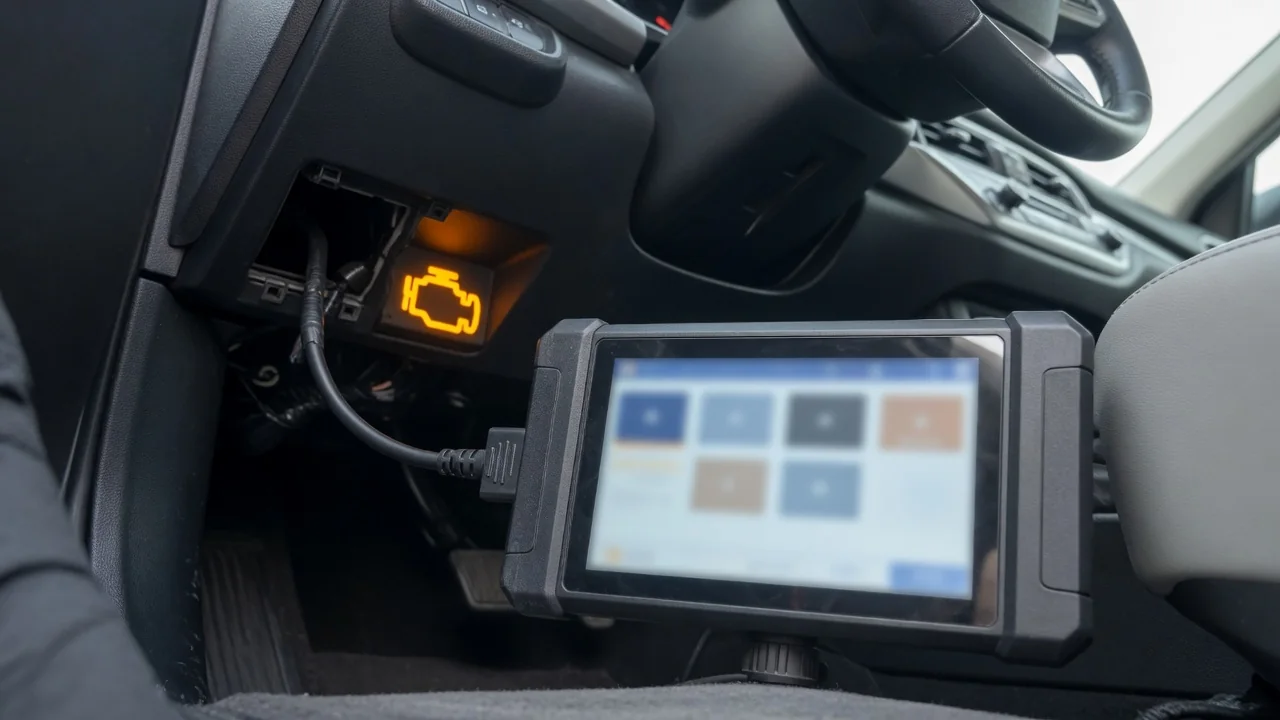
The P1115 code is a manufacturer-specific powertrain trouble code, meaning its definition changes from one automaker to another. When this code appears, the check engine light typically illuminates, but the actual circuit or sensor involved depends on your vehicle's make, model, engine, and year. Interpreting P1115 without confirming the manufacturer’s definition can lead to unnecessary parts replacement. This guide explains how to identify the correct meaning, recognize common symptoms, and approach diagnosis safely.
What the P1115 Code Means and Why the Definition Depends on Your Vehicle
A P1115 code belongs to the manufacturer-specific range because the third character is a '1' after the P. Unlike generic powertrain codes such as P0115, which indicate a universal engine coolant temperature sensor circuit malfunction, P1115 does not have a single mandated meaning across all vehicles. The powertrain control module (PCM) sets this code when a manufacturer-defined monitoring condition fails. Therefore, the same code could refer to a different sensor or subsystem on a Ford, Toyota, BMW, or other make, depending on how the automaker assigned the number.
Because no universal definition exists, automotive professionals and informed owners must consult factory service information or a scan tool with manufacturer-level definitions before interpreting the code. Generic online code lists often link P1115 to a sensor circuit fault on certain makes, but this description may not match your vehicle. Assuming a generic listing is correct can result in replacing a perfectly good component while the real fault remains. Always verify the exact meaning for your make, model, engine, and model year before beginning any diagnostic work.
How to Look Up the Correct P1115 Definition for Your Make and Model
To find the correct P1115 definition, use authoritative sources such as dealer service information, professional repair databases like Alldata or Mitchell 1, or an enhanced scan tool that includes manufacturer-specific code definitions. These resources organize codes by vehicle platform and often provide the exact monitoring strategy, set conditions, and diagnostic flowcharts. Basic OBD-II scan tools may only display the alpha-numeric code and a generic, possibly misleading description. Writing down the exact code text, any other stored codes, and whether the code is pending, confirmed, or permanent will help when comparing information across sources.
When checking a manufacturer-specific code, the full vehicle details matter, including the VIN. The VIN encodes the engine, transmission, and sometimes the software calibration level, which can affect code meaning and repair procedures. Software updates or technical service bulletins (TSBs) may exist for certain P1115 applications, but only official dealer or manufacturer sources can confirm whether a bulletin applies to your specific vehicle. Before replacing any part, verify the definition and any relevant service updates using the VIN, not just the year and model.
Symptoms Drivers May Notice With a P1115 Code
The symptoms you may notice with a P1115 code depend entirely on which system the manufacturer has tied to this code. In many cases, an illuminated check engine light is the only obvious sign, because the PCM detects a circuit or rationality fault that does not immediately affect engine performance. Some drivers may experience hard starting, rough idle, hesitation, or a minor change in fuel economy if the involved sensor influences fuel or ignition control. However, these drivability changes are not universal and can vary by engine management strategy.
An intermittent fault may set the code and then clear without any noticeable change in driving, which can make the problem difficult to reproduce. If the PCM stores the code but the condition does not recur within enough drive cycles, the check engine light may turn off while the code remains in memory as a history or pending code. Regardless of the specific definition, warning signs such as engine overheating, a flashing check engine light, unusual smells, or reduced-power mode need prompt professional attention, as they indicate a more serious operating condition that should not be ignored.
Possible Causes to Consider Once the Definition Is Confirmed
Once the manufacturer's definition is confirmed, possible causes can be grouped into broad categories: a sensor or actuator problem, wiring or connector trouble, a circuit fault such as an open or short, or a control module or software issue. For example, a P1115 related to a temperature sensor circuit might be caused by a failed sensor, but it could also result from corroded connector terminals, a chafed wire that intermittently grounds, or a PCM that has an outdated calibration. Without testing, you cannot assume which category is responsible.
Damaged, corroded, or loose connectors and chafed wiring are common reasons for circuit-related codes in general, because sensor circuits often run through harsh environments. Vibration, heat, moisture, and road debris can degrade the insulation or terminal contact over time, leading to intermittent high resistance or signal loss. A stored P1115 code points to a circuit or monitoring condition that deviated from the expected range, not necessarily a failed part. Therefore, treat the code as a symptom that requires diagnosis, not a conclusion that a specific component must be replaced.
Safe Checks You Can Do Before Visiting a Shop
Before visiting a shop, you can perform safe observations that will help a professional technician. Use an OBD-II scan tool to read and record all stored codes, including P1115 and any others, along with freeze frame data that captures engine operating conditions when the fault occurred. Note whether the check engine light is steady or flashing, and write down any other warning lights or abnormal gauge readings. This information gives the technician a starting point and preserves evidence that might be lost if the code is cleared.
With the engine off and cool, you can visually inspect easy-to-reach wiring harnesses, connectors, and sensors for obvious damage such as melted insulation, rodent chewing, or disconnected plugs. Avoid touching hot or moving parts, and do not probe live electrical circuits or open a pressurized cooling system. Clearing the code without fixing the underlying cause removes useful diagnostic data and can reset emissions readiness monitors, making the vehicle fail an inspection. Leave advanced testing to a qualified technician.
How a Technician Diagnoses P1115
A technician begins by confirming the exact P1115 definition using manufacturer-specific service information and records any related codes and freeze frame data. Next, the tech will use a scan tool to view live data from the suspected sensor or circuit, looking for values that are out of range, frozen, or erratic. Depending on the system, the diagnostic flowchart may include checking connector terminal tension, testing wiring continuity and resistance, and verifying reference voltage and ground circuits. Only after these tests can the technician determine whether the fault lies in a component, the wiring, or the control module.
Intermittent faults can be more challenging and may require a road test with a data logger connected to capture the signal when the problem occurs. The professional approach replaces parts only after pinpoint tests confirm a specific failure, preventing wasted money on unnecessary components. A professional diagnosis is strongly recommended when the P1115 code returns after being cleared, other codes are present, or drivability symptoms or temperature warnings appear. These situations suggest a persistent circuit or module issue that requires proper equipment and service information to resolve correctly.
Can You Keep Driving With P1115, and What Repairs Usually Involve
Whether you can keep driving with P1115 depends on the confirmed definition and the symptoms present. If the check engine light is steady and the vehicle runs normally, you may be able to drive cautiously to a repair shop, but avoid long trips or high loads. If you notice overheating, poor acceleration, stalling, or the check engine light is flashing, stop driving and have the vehicle towed to prevent further damage. The code itself does not automatically make the car unsafe, but the underlying condition might.
Repair outcomes vary widely with the confirmed cause. A loose or corroded connector may simply need cleaning and reseating, while chafed wiring can be repaired with proper splice techniques and heat-shrink insulation. A sensor should be replaced only after testing shows it is out of specification, and some P1115 conditions may be resolved by reprogramming the PCM with updated software. After any repair, the code should be cleared and the vehicle driven through enough drive cycles to confirm the code does not return. An unresolved P1115 can also affect emissions readiness monitors, which may cause a vehicle to fail an emissions inspection depending on local regulations.