P1114 Code: Meaning, Causes and How to Diagnose It
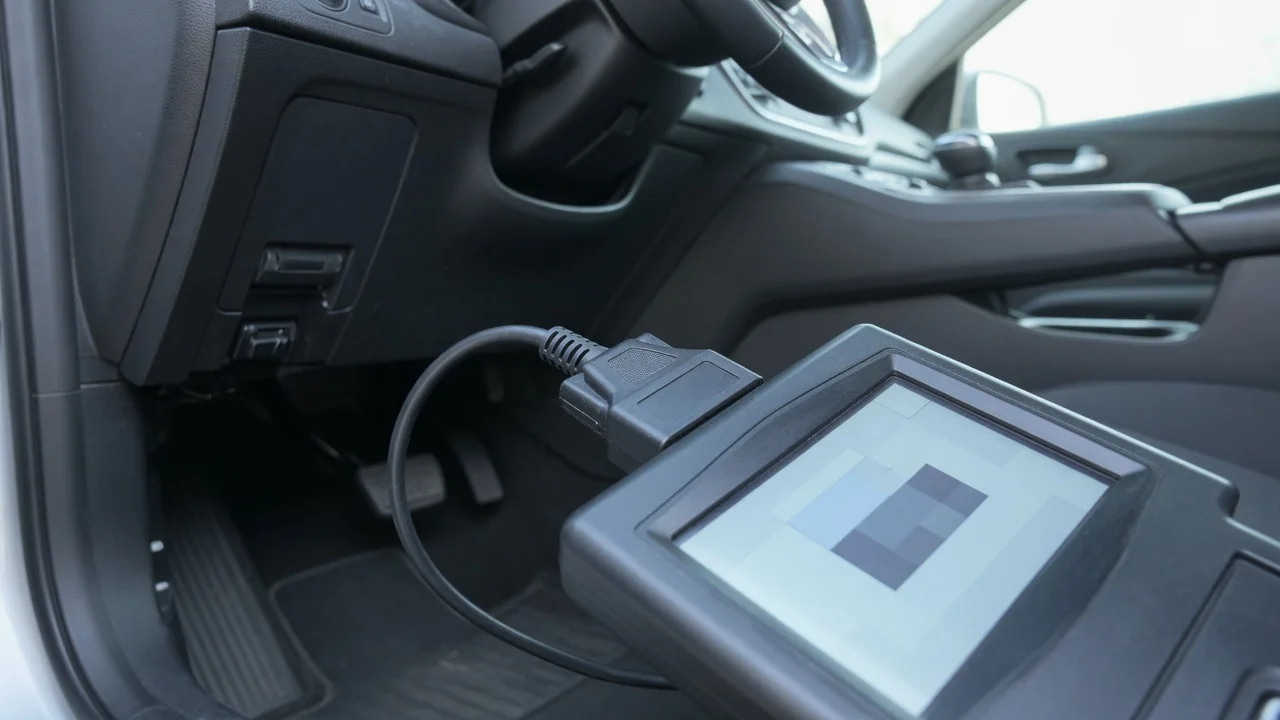
P1114 is a manufacturer-specific trouble code, so its meaning changes with the make and model of your vehicle. You need the exact definition for your year and engine before interpreting the fault. This code often points to a sensor circuit signal outside an expected range, but it is not a universal OBD-II code. This guide explains what P1114 means, typical symptoms, possible causes, and how professionals diagnose it safely.
What the P1114 Code Means and Why the Definition Varies by Make
P1114 falls in the P1xxx range, which automakers reserve for their own definitions instead of the generic powertrain codes. Because of this, the same number can describe a coolant temperature circuit on one car and an intake air temperature circuit on another. The engine control module stores P1114 when a self-test sees a signal that is too high, too low, or implausible for the current operating conditions. Without the manufacturer's definition, you cannot know which circuit was tested or what values were expected.
A generic OBD-II scanner often gives a vague description like “manufacturer control” or “unknown code” because it lacks enhanced diagnostics data. To confirm the exact meaning for your make, model, engine, and year, use a scan tool with manufacturer-specific software or check official service information. The definition tells you which sensor, circuit, or subsystem the control module was testing. Without that step, any repair guess is unreliable, and you may replace a good part while the real fault stays.
Symptoms Drivers May Notice With P1114 Stored
The most common symptom with P1114 is an illuminated check engine light. Many manufacturer-defined codes are set during background self-tests, and the driver may notice no change in performance. The light may stay on steadily or come and go over several drive cycles. When the fault is intermittent, the warning lamp can turn off after a few trips, but the code remains stored in the control module's memory until it is cleared or the issue is fixed.
Drivability symptoms depend on which system the manufacturer tied to the code. If P1114 relates to a coolant temperature sensor circuit, you may notice hard starting when cold, a rough idle, or poor fuel economy until the engine warms up. If it relates to an intake air temperature or fuel composition sensor, hesitation under acceleration or reduced power could occur. Pay attention to when symptoms appear—cold start, warm idle, or under load—and share those details with a technician, because they help narrow the possible cause.
Possible Causes Once the Vehicle-Specific Definition Is Confirmed
After you confirm the vehicle-specific definition, you can build a list of possible causes. A faulty sensor is one candidate, but the code does not prove the sensor itself is bad. The circuit includes the sensor, its wiring harness, connectors, and the control module's internal reference voltage. Damaged insulation, a loose or corroded pin, or a poor ground can create the same out-of-range signal as a failed sensor. The trouble code tells you which circuit failed a check, not which part caused the failure.
A related mechanical condition can also make a sensor report values the computer rejects. For example, if the definition points to an engine coolant temperature circuit, a stuck-open thermostat may keep the coolant cooler than the control module expects for a given running time. Low system voltage from a weak battery or charging problem can also pull a sensor signal outside its normal window. Instead of assuming the most common part has failed, treat the sensor, wiring, connectors, grounds, reference voltage, and control module as equally possible until testing narrows the list.
Safe First Checks Before Replacing Any Parts
Before clearing anything, record freeze frame data and all stored codes. Freeze frame is a snapshot of engine conditions—such as RPM, coolant temperature, fuel trim, and vehicle speed—at the moment P1114 was set. It can show whether the fault occurred at cold start, under load, or at idle, helping you reproduce the conditions. Other stored codes, especially for related circuit voltage or sensor heater problems, may share a root cause or point to a larger electrical issue that should be addressed first.
With the engine off and cool, do a careful visual check around the component tied to the confirmed definition. Look for obvious damaged insulation, wires pulled from connectors, oil or coolant contamination, or corrosion on terminals. A secure connector does not guarantee a good electrical connection, so later resistance or voltage checks may be needed. Do not buy a sensor based only on the code number. Many P1114 faults turn out to be wiring or connector issues, and replacing a part without testing wastes money and can introduce new problems if connectors are damaged during installation.
How Professional Diagnosis of P1114 Typically Works
Professional diagnosis starts with the manufacturer's definition and the diagnostic procedures tied to your exact vehicle. A technician uses a scan tool with enhanced capabilities to read live data for the circuit in question while the engine runs. For an intake air temperature sensor example, the scan tool can show the reported temperature and how it changes. Comparing that value to known-good readings under the same conditions—such as a cold engine at ambient temperature—shows whether the signal is plausible. The technician may then test wiring, connector resistance, and reference voltage with a multimeter, following safe practices for modern control modules.
The code shows which circuit or signal failed a self-test, not which part is at fault. Without manufacturer data, you may not know the expected voltage range, the enable criteria for the monitor, or which other modules share the signal. Some P1114 definitions involve several sensors on a common 5-volt reference bus or shared ground, so a short in one branch can affect multiple readings. A qualified shop can check for technical service bulletins or software updates through dealer-level resources. If a bulletin exists, the fix may be a reflash or a wiring change rather than a part replacement, but do not assume one applies to your vehicle.
Is It Safe to Drive With P1114, and When to Get Help
Whether it is safe to keep driving with P1114 depends on the confirmed definition and how the vehicle behaves. If the only sign is a steady check engine light and the car runs normally, limited driving to a repair shop is usually acceptable. However, if the definition involves a critical input such as engine coolant temperature, driving may risk overheating, poor cold-start enrichment, or catalyst damage in extreme cases. A flashing check engine light means a severe misfire that can harm the catalytic converter, so stop and seek help right away. Also treat low oil pressure, charging system, or overheat warnings as urgent.
An unresolved P1114 can also affect emissions inspection readiness. Many areas require all readiness monitors to run and pass before a certificate is issued, and any stored powertrain code is an automatic failure. Clearing the code just before an inspection does not make the monitor ready; the vehicle must complete specific drive cycles. If the code returns after a repair or clearing, or if the definition involves systems you cannot inspect safely—such as high-voltage components or fuel system pressure—professional testing is the practical next step. Continued guessing with parts can cost more than a diagnostic fee.
After the Repair: Clearing the Code and Confirming the Fix
Clearing the code with a scanner removes the stored record and freeze frame data, but it does not fix the underlying cause. The code will return when the monitor runs again if the fault is still present. After a proper repair, the technician clears codes and then lets the related readiness monitor complete during normal driving. Many monitors need specific conditions like a cold start, certain road speeds, closed-loop fuel control, and a set amount of engine run time. Driving normally for a few days usually allows most monitors to finish, but the exact drive cycle procedure varies by manufacturer and which monitor was incomplete.
After clearing, all readiness monitors return to “incomplete” status and may need several drive cycles to run. Check monitor status with a scan tool before considering the repair confirmed. If the P1114 code does not return and the related monitor completes, the fix is likely successful. Keep notes on the confirmed definition, the freeze frame data, the checks done, and the parts replaced. These records help if the code returns later or if another technician works on the car, avoiding repeated diagnostic steps.