P1113 Code: Meaning, Causes and How to Diagnose It
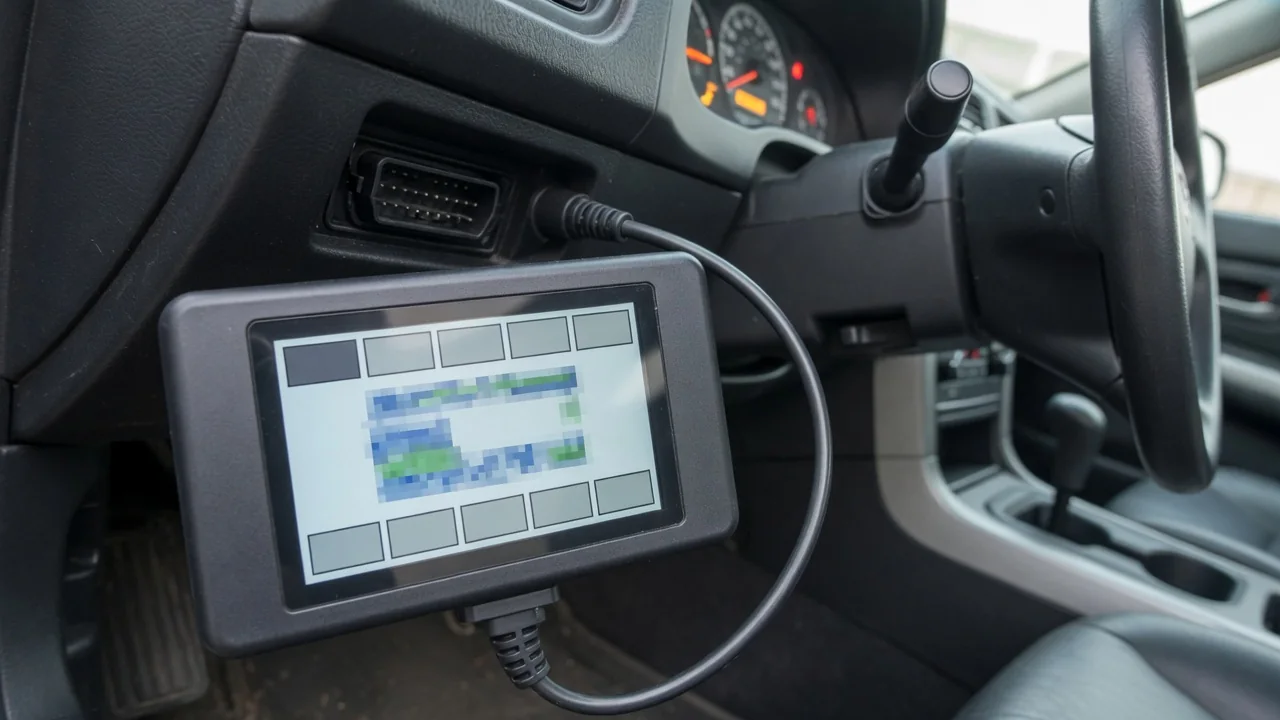
A P1113 code can be confusing because it does not mean the same thing on every vehicle. It belongs to the manufacturer-specific P1xxx range of powertrain diagnostic trouble codes, so the definition comes from the automaker, not a universal OBD-II list. When the check engine light illuminates and a scan tool reports P1113, the driver sees a signal that a particular sensor circuit or control system is not behaving as expected. The next step is to identify the exact fault for the specific make, model, year, and engine before guessing at a repair.
What the P1113 Code Means and Why Its Definition Depends on the Make
The P1113 code is a manufacturer-specific powertrain code, as shown by the third digit being a one in the P1xxx range. That digit is the key to understanding why you cannot rely on one generic definition. Unlike P0xxx codes, which follow a standardized list agreed upon across the industry, P1xxx codes are left open so an automaker can define them for its own hardware. The code description often names a circuit or sensor, such as an intake air temperature sensor circuit or a fuel system monitor circuit, but it does not tell you which part failed.
Before acting on the P1113 code, confirm the exact meaning for your specific vehicle. Factory service information, a dealer’s online portal, or a professional scan tool with manufacturer-specific definitions is the correct source. Using a generic internet lookup or a definition written for a different brand can lead you to the wrong component entirely. The code should be treated as a signpost that narrows the search area, not as proof that a particular sensor, actuator, or module has failed. The definition tells you which circuit or system to investigate first.
Symptoms Drivers May Notice With a Stored P1113
A stored P1113 code will usually turn on the check engine light, and for many drivers that is the only visible symptom. The light may glow steadily, or in some cases it could flash if the fault is severe enough to risk catalyst damage, though this is less common for manufacturer-specific circuit codes. There may be no change in the way the vehicle runs, especially if the fault is intermittent or the sensor is used only for minor fuel or emissions adjustments. Because the light alone cannot tell you how urgent the problem is, reading the code is just the first observation.
Depending on the system covered by the manufacturer’s definition, drivability changes can appear. A rough idle, hesitation when accelerating, reduced fuel economy, or harder starting are all possible. These symptoms suggest the engine control module is using substituted values instead of accurate readings, which can alter fueling or ignition timing. On the other hand, an intermittent fault might set the code and then disappear, leaving no noticeable change. If the check engine light flashes, or the vehicle loses power, smells strongly of fuel, or overheats, limit driving and have the vehicle inspected promptly.
Possible Causes Once the Vehicle-Specific Definition Is Confirmed
Once the vehicle-specific definition is confirmed, the likely causes follow logically from that circuit. For most P1113 definitions that refer to a sensor circuit, the possible causes fall into familiar categories: the sensor itself, the wiring between the sensor and the engine control module, the electrical connectors, and the ground or reference voltage supply. A failed sensor is only one possibility. A cracked connector, a terminal pushed out of its housing, or corrosion inside the plug can produce the same code. A chafed harness that touches the engine or body can short a signal wire to ground or open the circuit.
The engine control module is rarely the first suspect when a single circuit code appears. Modern modules have internal diagnostics and protective circuits, and they are usually more reliable than the external wiring and sensors. However, if all external components and wiring test good, a module fault remains a possibility. Always inspect the easy-to-see items first: damaged insulation, loose or corroded connectors, and broken ground straps. Avoid listing brand-specific parts or failure rates without supporting information, since a code alone cannot identify a specific component as defective.
Safe First Checks You Can Do at Home
Begin every diagnosis by recording the facts before changing anything. Write down all stored and pending codes, not just P1113, and save the freeze frame data. Freeze frame data is a snapshot of engine conditions when the code was set, such as engine speed, coolant temperature, and load. That information can show whether the fault occurred during a cold start, at highway speed, or at idle. Do not clear the codes yet. Clearing erases that snapshot and any pending codes, which removes evidence that can help you or a technician find the cause.
With the engine off and cool, perform a careful visual inspection of the circuit related to the manufacturer’s definition. Look for a disconnected connector, cracked or swollen wiring insulation, corrosion on terminals, or a harness rubbing against a sharp edge. If other codes are stored alongside P1113, compare their circuit locations. Several codes that share a common power supply, ground, or portion of the wiring harness often point to a shared fault rather than several failed sensors. Clearing the code and driving to see if it returns can be useful information, but clearing alone never fixes the underlying problem.
Limits of Home Diagnosis and When to Get Professional Testing
Home diagnosis reaches a limit when the circuit needs electrical testing beyond a visual inspection. Confirming a sensor circuit fault usually requires wiring diagrams, specified resistance or voltage values, and live data from a scan tool. Those values differ by make and model, and an incorrect assumption can lead to replacing a good sensor while leaving a broken wire untouched. Replacing parts based only on the code often wastes money without solving the problem. The code tells you which system to examine, not which component to replace.
Professional diagnosis is the right step when the code returns quickly after clearing, drivability is affected, several codes appear together, or electrical testing is beyond your tools and experience. A technician can monitor live data, compare readings with known-good values, and isolate the fault without guessing. In addition, ask a dealer or a shop with factory information whether any technical service bulletins or software updates apply to your vehicle. Such bulletins sometimes describe an unusual cause or a repair procedure that addresses a known issue, but do not assume one exists for your problem.
Is It Safe to Drive With P1113 and What Happens If You Ignore It
Whether it is safe to drive with a stored P1113 depends entirely on the confirmed definition and the symptoms. If the vehicle runs normally and the check engine light is steady, you can often continue driving for a short time while arranging a diagnosis. But if the engine is misfiring, losing power, or the light is flashing, the risk of damaging the catalytic converter or being stranded increases. The same code on a different manufacturer’s vehicle may cover a different circuit, so always find the exact definition before deciding how far to drive.
Ignoring the code for weeks or months can create secondary problems. An unresolved fault may cause the engine control module to run rich, which can raise fuel consumption and eventually damage the catalytic converter or oxygen sensors. In areas with emissions testing, a stored or pending code may cause an inspection failure because emissions readiness monitors will not complete. An active check engine light also hides new faults, so a later problem like a misfire or overheating condition may go unnoticed until it becomes serious. Timely diagnosis is cheaper and safer than repeatedly clearing the code.