P1112 Code: What It Means, Likely Causes, and How to Diagnose It
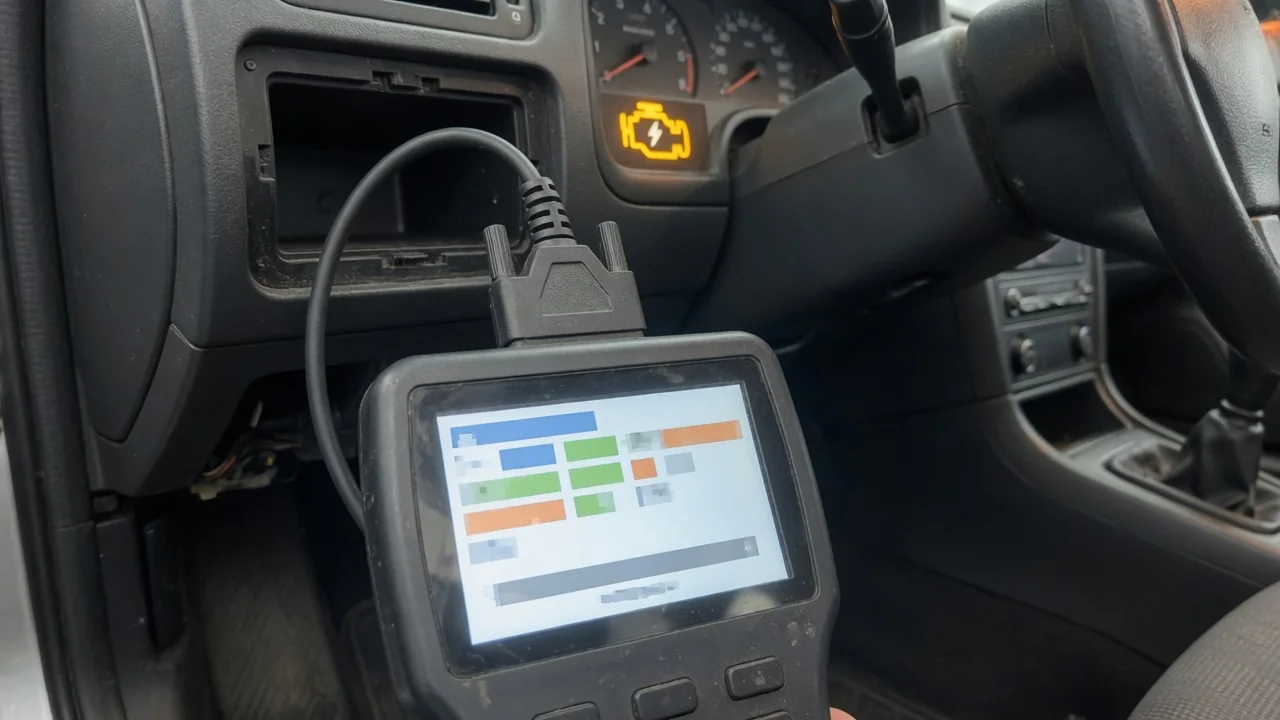
A P1112 code appears when your vehicle’s computer detects a problem in a manufacturer-specific circuit, but the exact meaning changes by make, model, year, and engine. Because P1xxx codes are controlled by each automaker, a generic lookup can be misleading. This article explains how to interpret the code correctly, what symptoms may appear, likely causes, safe checks, when professional help is needed, repair options, and whether you can keep driving.
What P1112 Means and Why the Definition Depends on Your Vehicle
P1112 belongs to the P1xxx range, which is reserved for manufacturer-specific trouble codes. Unlike generic P0xxx codes, there is no single universal definition. On one vehicle, P1112 might indicate an intake air temperature sensor circuit issue; on another, it could point to a fuel system or turbocharger condition. The only way to know is to look up the code for your exact vehicle using a factory service manual or a scan tool that reads enhanced manufacturer codes.
Before interpreting P1112, record all available diagnostic information from the scan tool. Note whether the code is pending, stored, or history, and capture the freeze frame data showing engine conditions when the fault occurred. Also, check for any other codes present—some faults set multiple codes that must be diagnosed together. Relying on a generic code definition could send you down the wrong repair path and waste money on unnecessary parts.
Common Symptoms Drivers May Notice With a P1112 Code
Many drivers first notice a P1112 code because the check engine light illuminates. In some cases, the light is the only symptom, and the vehicle seems to run normally. However, depending on what circuit the code actually monitors, you might experience rough running, hesitation during acceleration, or a drop in fuel economy. These general symptoms are not brand-specific, so they should be interpreted along with the verified code definition.
An intermittent fault can cause the code and check engine light to come and go, often because a connection is temporarily lost due to temperature, vibration, or moisture. A constant fault usually keeps the light on steadily. Pay attention to when symptoms occur—such as cold starts, warm engine, under load, or in wet weather—and share those observations with a technician, because they can be valuable clues for diagnosis.
Possible Causes Once the Manufacturer Meaning Is Confirmed
Once the manufacturer meaning is confirmed for your specific vehicle, possible causes become clearer but still vary widely. Broadly, P1112 often relates to a sensor, its wiring harness, an electrical connector, a related control circuit, or sometimes a module software concern. The code indicates that the engine computer detected a reading or condition outside expected limits, not that a particular component has definitely failed.
It is a mistake to assume a code like P1112 automatically means replacing a sensor. A damaged wire, corroded connector, or even a software glitch can cause the same fault. Because the underlying cause can be subtle, accurate diagnosis requires testing the circuit according to the manufacturer’s procedures. Avoid jumping to parts replacement without evidence, as that often fails to fix the problem.
Safe Checks You Can Do Before Visiting a Shop
Before clearing a P1112 code, use an OBD-II scan tool to read and save the code and any freeze frame data. This data shows engine conditions when the fault set and can be lost if you erase the code. Saving a copy on your phone or paper gives you a reference for later and helps a technician understand the failure context. Do not clear the code until you have this information recorded.
With the engine off and cool, perform a safe visual inspection near the component named in the verified code definition. Look for obviously damaged, loose, or corroded connectors, and chafed or melted wiring. Check for other stored codes, as related codes can refine the diagnosis. You may clear the code and drive to see if it returns, but remember that clearing does not fix the underlying problem. Avoid probing live circuits or back-probing connectors unless you have proper training and service information.
When Professional Diagnosis Is Needed
Professional diagnosis of a manufacturer-specific code like P1112 typically requires access to factory diagnostic procedures, wiring diagrams, and specialized tools such as a multimeter or oscilloscope. A technician will often check for technical service bulletins or software updates that apply to your exact vehicle, because a known issue can make diagnosis faster and cheaper. Without these resources, accurate pinpoint testing is difficult.
Certain warning signs mean you should have the car checked promptly: a flashing check engine light, engine stalling, severe hesitation, or overheating. If you have already replaced parts and the code returns, that usually indicates the root cause was not identified. In such cases, professional help is essential to avoid further guesswork and expense.
Repair Options and What to Expect From the Fix
The correct repair for P1112 depends on the confirmed diagnosis. It may be as simple as repairing a wire or cleaning a connector, or it could require replacing a sensor or updating module software. Before approving any parts, ask the shop what specific test result confirmed the fault. A reputable technician should be able to explain which measurement or observation pointed to the failed component.
Using correct parts for your exact vehicle is critical, because even a sensor that looks identical may have different electrical characteristics or calibration. Confirm fitment with the dealer or parts supplier using your VIN, not a generic application list. After the repair, clear the code, complete the required drive cycle, and check readiness monitors to ensure the vehicle is ready for emissions testing and that the code does not return.
Is It Safe to Drive With P1112?
Whether it is safe to drive with a P1112 code depends on the verified meaning and how the vehicle is behaving. If the check engine light is steady and the car runs normally, you can usually drive carefully to a shop for diagnosis. However, if you notice severe symptoms like stalling, misfiring, or overheating, stop driving and arrange for assistance to prevent further damage.
Keep in mind that an unresolved code can cause an emissions inspection failure in areas that require testing. Ignoring a P1112 code is not wise, because a minor wiring issue can worsen over time and lead to more expensive repairs. Getting an accurate diagnosis early is the best way to avoid unexpected breakdowns.