P1110 Code: What It Means, Symptoms, Causes, and How to Diagnose It
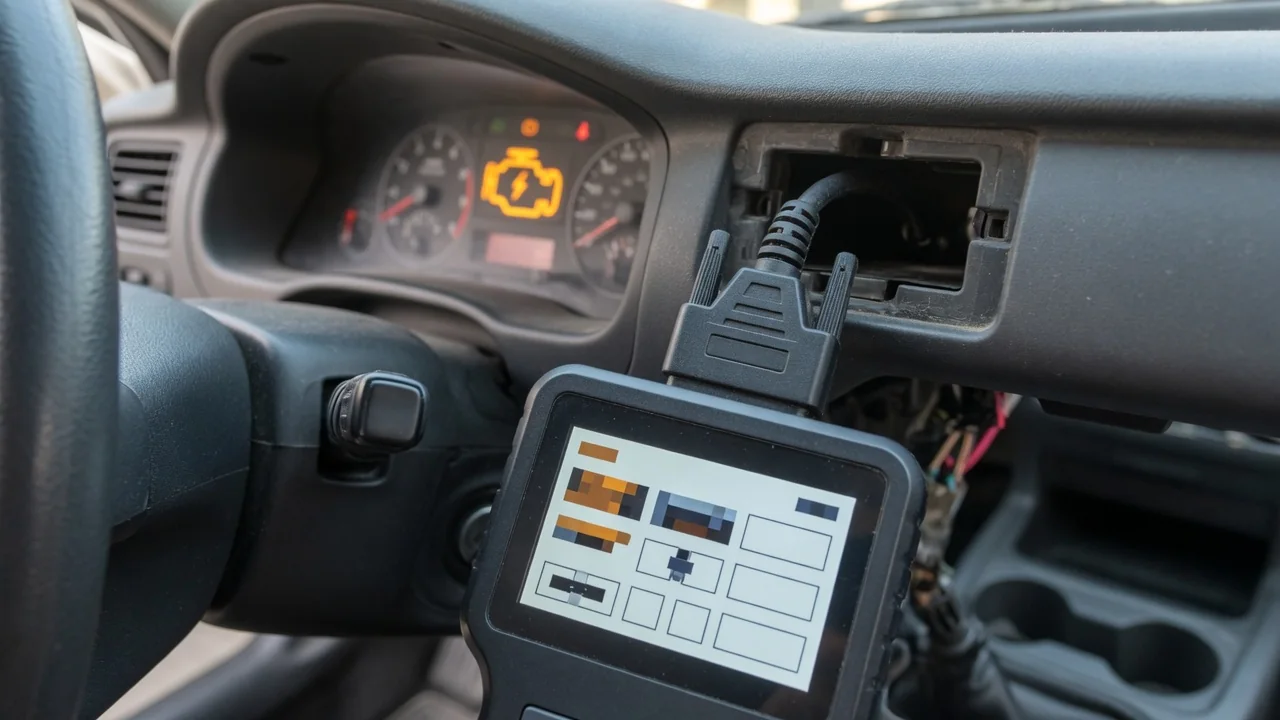
A P1110 code means your vehicle’s computer has detected a fault in a system or circuit, but the exact definition isn’t universal. Because P1xxx codes are manufacturer-specific, the same number can point to different problems on different makes, models, years, and engines. You may notice a check engine light, drivability changes, or no symptoms at all. This article explains what P1110 can mean, how to read it correctly, possible causes, safe checks, professional testing, and repair verification.
What P1110 Means and Why the Definition Depends on Your Vehicle
P1110 falls into the P1xxx range, which is reserved for manufacturer-specific diagnostic trouble codes. Unlike generic P0xxx codes, P1110 does not have one standard definition across all vehicles. On one brand it might refer to a sensor circuit, while on another it could indicate a control module issue. Therefore, the first step is to confirm the exact meaning for your specific make, model, year, and engine using a factory-level scan tool, manufacturer service information, or a dealer. Acting on a generic definition from an online list can lead to misdiagnosis and unnecessary parts replacement.
It’s important to understand that a diagnostic trouble code like P1110 identifies a monitored circuit or condition that is not behaving as expected. It does not directly name a failed component. The engine control module sets the code when a signal, voltage, or system performance falls outside predetermined parameters. The underlying cause could be a sensor, wiring, a vacuum leak, or even a software issue. Therefore, treat P1110 as a starting point for diagnosis, not a parts list. Confirming the specific definition and then testing the circuit is essential to avoid guesswork.
How to Read a P1110 Code Correctly With a Scan Tool
A basic OBD-II scanner will display the code number and possibly a generic description, but it may not show the manufacturer-specific definition that applies to your vehicle. An enhanced or factory-level scan tool can access the detailed text stored in the control module, which is often more specific and helpful. For example, a basic reader might just say “P1110,” while an enhanced scanner will show something like “Intake Valve Control Solenoid Circuit Malfunction” or whatever definition your manufacturer uses. This difference matters because the definition tells you which system to inspect.
Before clearing any codes, record all available data: code status (pending, confirmed, or history), freeze frame information, and any other diagnostic trouble codes stored. Freeze frame captures engine conditions like coolant temperature, engine speed, and load at the moment the code was set, which helps diagnose intermittent faults. Clearing the code without a diagnosis erases this valuable data and resets readiness monitors, making the problem harder to find later. Write down the full definition text from the scan tool so you can match it to vehicle-specific service information or discuss it accurately with a technician.
Symptoms Drivers May Notice With P1110
Symptoms associated with a P1110 code vary widely because the monitored system differs by manufacturer. Some drivers may only notice an illuminated check engine light, while others might experience rough idle, hesitation, reduced power, or changes in fuel economy. It’s important to note that these drivability observations are general and not tied to a specific make or model. If your vehicle seems to run normally, the fault may be intermittent or only affect emissions. Pay attention to how the vehicle behaves under different conditions, such as cold start, warm idle, or under load, and write down these details.
If the check engine light is flashing or you experience severe drivability problems like significant power loss, misfiring, or stalling, reduce driving to the minimum necessary or avoid driving altogether until a professional can inspect the vehicle. A flashing light indicates a problem that could damage the catalytic converter or leave you stranded. Even if the light is steady, note when symptoms occur and under what conditions. This contextual information helps a technician reproduce the fault and narrow down the cause. Do not ignore a P1110 code, as it might be an early warning of a more serious issue.
Possible Causes to Consider Once the Definition Is Confirmed
Once you have confirmed the exact definition of P1110 for your vehicle, possible causes can be grouped into categories. These may include sensor faults, wiring or connector problems, vacuum or air leaks, actuator faults, or control module software issues. The specific category depends on what the code’s definition points to. For instance, if the definition involves a temperature sensor circuit, the cause could be the sensor itself, its wiring, or a poor electrical connection. Avoid assuming one particular part is always the culprit; different vehicles and conditions lead to different root causes.
Wiring and connector problems deserve special attention because they can produce codes that mimic a failed component. A corroded connector, chafed wire, or loose terminal can create high resistance or intermittent open circuits, causing the control module to log a fault code for a sensor or actuator that is actually fine. Before replacing any parts, inspect the relevant wiring harness and connectors for damage. Also, check if any manufacturer technical service bulletins or software updates apply to your vehicle. These bulletins may describe known issues and fixes. Ask a dealer to check for TSBs rather than assuming one exists for your code.
Safe Checks You Can Do Before Visiting a Shop
Before visiting a shop, you can perform some safe visual checks with the engine off and cool. Look for obvious disconnected electrical connectors, damaged wiring insulation, cracked or loose vacuum hoses near the system indicated by the code definition. These are common failure points that you might spot without tools. Also, note if there have been any recent repairs or battery replacements, as disturbed connectors or forgotten connections can trigger new codes. Be careful not to touch hot or moving parts; always ensure the engine is off and the key is removed before inspecting under the hood.
A clean visual inspection does not rule out a fault. Many problems are internal to sensors, solenoids, or the control module and cannot be seen from outside. Wiring can have hidden breaks or corrosion inside insulation. Therefore, while a visual check is a helpful first step, it cannot prove that everything is fine. Avoid probing circuits with a test light or multimeter, removing components, or bypassing sensors unless you have proper training, tools, and service information. Doing so can cause electrical damage or create new faults. Use your observations to give a technician a head start.
When Professional Testing Is Needed and What It Involves
Confirming a P1110 fault usually requires professional testing because the code’s definition is manufacturer-specific and the test procedures often need a factory-level scan tool. A technician can access live data from the suspect circuit, command actuators on and off, and perform pinpoint tests on wiring and connectors according to the service manual. They will compare actual sensor values to expected specifications and may use an oscilloscope to check signal quality. Without these tools and procedures, you risk misdiagnosing the problem and replacing good parts.
When you bring the vehicle to a shop, provide the confirmed code definition, freeze frame data, symptom notes, and any recent repair history. Ask the technician to perform a diagnostic process and confirm the root cause before replacing any parts. A good technician will not guess based on the code alone; they will test the suspected circuit and prove which component or wiring is at fault. Be prepared to authorize a diagnostic fee. Once the diagnosis is complete, ask for an explanation of what was found and what repair is needed. This helps avoid unnecessary parts replacement.
Repair Options and Checking That the Fix Worked
The repair for a P1110 code depends entirely on the confirmed cause. It might be as simple as reconnecting a loose connector or repairing damaged wiring. It could require replacing a sensor, solenoid, or other component. In some cases, a software update for the engine control module may resolve the issue. The cost will vary depending on the vehicle, the specific part, and local labor rates, so avoid relying on generic price estimates. Always ask for a written quote before work begins and understand what is being replaced and why.
After the repair, the technician will clear the code and run the appropriate drive cycle to reset readiness monitors. They will confirm that the code does not return and that all monitors complete successfully. This verification is important because some faults only appear under specific conditions. If the P1110 code comes back after the repair, return to the shop without delay. A recurring code often indicates that the original diagnosis was incomplete or that another related fault exists. Do not ignore it, as continuing to drive with an unresolved fault can lead to further damage.