P1088 Code: What It Means, Likely Causes and How to Fix It
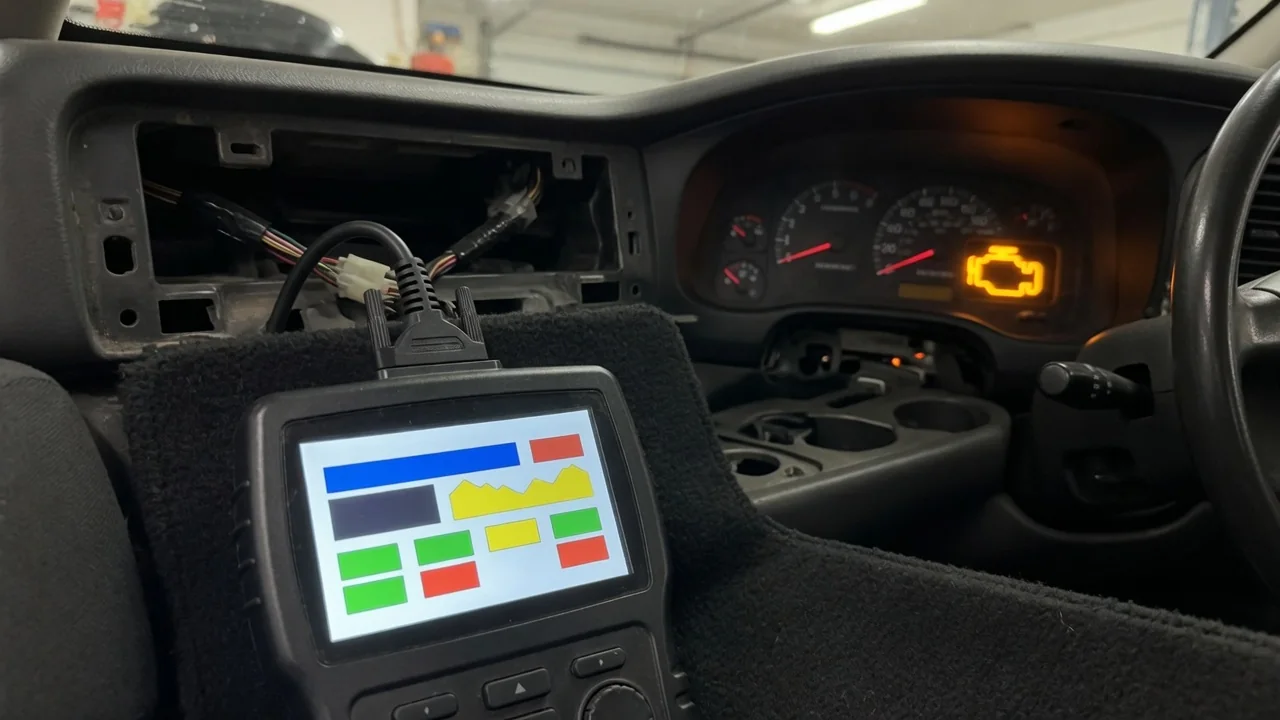
A P1088 code can be confusing because it does not have one standard meaning across all vehicles. Unlike generic OBD-II codes, P1xxx codes are manufacturer-specific, so the definition is set by each automaker. When this diagnostic trouble code appears, the check engine light usually illuminates, but the cause can vary widely. Reading the code correctly and confirming its meaning for your exact make, model, year, and engine is essential before attempting any repair. This guide explains how to interpret P1088, what symptoms may appear, and the safe steps to diagnose and resolve it.
Why P1088 Has No Single Universal Definition
P1088 belongs to the P1xxx range of diagnostic trouble codes, which are reserved for manufacturer-specific use. That means the engine control module in a Subaru, BMW, or other brand may use P1088 to indicate a completely different condition. There is no shared generic standard for this code, so a definition found on a basic OBD-II code reader or a generic lookup site may be wrong for your vehicle. The same numeric code can point to a fuel system issue on one car and a sensor circuit fault on another.
To interpret P1088 accurately, consult the factory service information for your specific make, model, year, and engine. A dealer lookup or a make-specific enhanced scan tool can provide the manufacturer's definition. Relying on a generic definition can lead to replacing the wrong parts, wasting time and money. If a code-lookup site shows a cause or repair procedure, treat it as a possibility rather than a confirmed diagnosis for your vehicle. Always verify the meaning before acting.
Reading the P1088 Code Correctly Before You Act
Before clearing any code, record the full P1088 code, any other stored or pending codes, and the freeze-frame data. Freeze-frame data captures engine operating conditions at the moment the code was set, such as rpm, coolant temperature, and vehicle speed. This information can be invaluable for diagnosis and may be lost permanently if the code is cleared. A basic OBD-II reader may display only the code number without a description, so you may need an enhanced or manufacturer-specific scan tool to see the exact wording that applies to your vehicle.
If other codes are stored alongside P1088, they can provide important clues. For example, a related sensor circuit code may point to a shared wiring harness or connector issue. Avoid clearing the code just to see if it returns; doing so erases the freeze-frame data a technician may need. Instead, write down everything, then decide whether to investigate further or take the vehicle to a professional. The recorded data is your best starting point for an accurate diagnosis.
Symptoms Drivers May Notice With P1088
The symptoms associated with P1088 depend entirely on what the code means for your manufacturer and system. There is no single symptom list that applies to every vehicle. Some drivers may notice a steady check engine light with no change in how the car runs, while others may experience rough idling, hesitation, reduced power, or a noticeable drop in fuel economy. In more serious cases, the vehicle may enter a limp mode that limits performance to protect the engine.
Because the code can be set for many different conditions, some vehicles may show no drivability change at all. If you do notice symptoms, write down exactly when they occur: on a cold start, at highway speed, under hard acceleration, or during normal driving. These details help a technician reproduce the fault and narrow down the cause. The pattern of symptoms can be as important as the code itself. Keep a simple log of what you feel and when it happens.
Possible Causes and the Limits of Guessing
Manufacturer-specific codes like P1088 are typically set when the engine control module detects a problem in a sensor circuit, a control system, or a performance condition that does not meet the automaker's expected parameters. The code does not identify a failed part; it only indicates that a monitored value has fallen outside an acceptable range. Possible causes generally include wiring or connector faults, a faulty sensor, a mechanical issue such as a vacuum leak, or, less commonly, a problem with the control module or its software.
Because the code points to a condition rather than a specific component, guessing at a part to replace is risky. A wiring fault can produce the same code as a failing sensor, and replacing the sensor without checking the circuit may not fix the problem. Without verified information for your specific vehicle, it is not possible to say which cause is most likely. The best approach is to follow a systematic diagnostic procedure based on the manufacturer's service information for P1088 on your exact model and engine.
Safe Checks You Can Do at Home
Some non-invasive checks can be done at home without special tools or risk. With the engine off and cool, inspect visible wiring and connectors related to the engine sensors for damage, such as cracked insulation, corrosion, or loose plugs. Look for obvious disconnected vacuum hoses or intake ducts that may have come loose. Check fluid levels, including engine oil and coolant, but only when the engine is cold and on level ground. Do not attempt to probe electrical circuits with a multimeter or work under the vehicle.
You can also contact a dealer with your vehicle identification number (VIN) to ask whether any pending software updates or service campaigns apply to your car. This does not guarantee that a campaign exists, but it is a safe way to check for known issues. After completing these visual checks, drive the vehicle normally and note whether the P1088 code returns and under what conditions. Avoid clearing the code repeatedly, because that erases diagnostic data. If the code persists, professional diagnosis is the next step.
When P1088 Needs Professional Diagnosis
Accurate diagnosis of a manufacturer-specific code like P1088 usually requires the factory test procedure, live data review, and circuit testing with a professional enhanced scan tool. A technician can monitor sensor readings in real time, activate components, and compare values against known good specifications. This level of testing goes beyond what a basic code reader can provide. If you are not equipped for this, seek help from a shop that has access to the manufacturer's service information for your vehicle.
Certain warning signs mean you should stop driving and have the vehicle towed or repaired immediately: a flashing check engine light, severe loss of power, overheating, fuel smell, visible smoke, or unusual noises. These symptoms can indicate a serious engine misfire or other dangerous condition that could cause further damage. When you take the vehicle in, give the technician all the codes, freeze-frame data, and your symptom notes. Repair costs vary widely by vehicle, system, and cause, so no specific estimate can be given without a proper diagnosis.
After the Repair: Confirming P1088 Is Resolved
After a repair is completed, the P1088 code should be cleared and the vehicle driven under normal conditions to confirm it does not return. This may take several trips, because the engine control module must run its self-tests to verify that all systems are functioning. Readiness monitors are internal checks the computer performs on various emissions-related components. Some monitors require a specific drive cycle, which is a pattern of driving that may include cold starts, highway speeds, and idling. Until the monitors report complete, an emissions inspection may not be possible.
If P1088 comes back after the repair, it may indicate an intermittent fault, a wiring issue that was not fully addressed, or that the original cause was misidentified. In that case, return to the diagnostic data rather than replacing more parts on guesswork. Keeping records of codes, repairs, and dates can help spot patterns over time and provide valuable history for any future troubleshooting. A recurring code is not a sign to try more random fixes; it is a signal to gather more information and verify the diagnosis.