P1086 Code: Meaning by Make, Symptoms, Causes and Repair Options
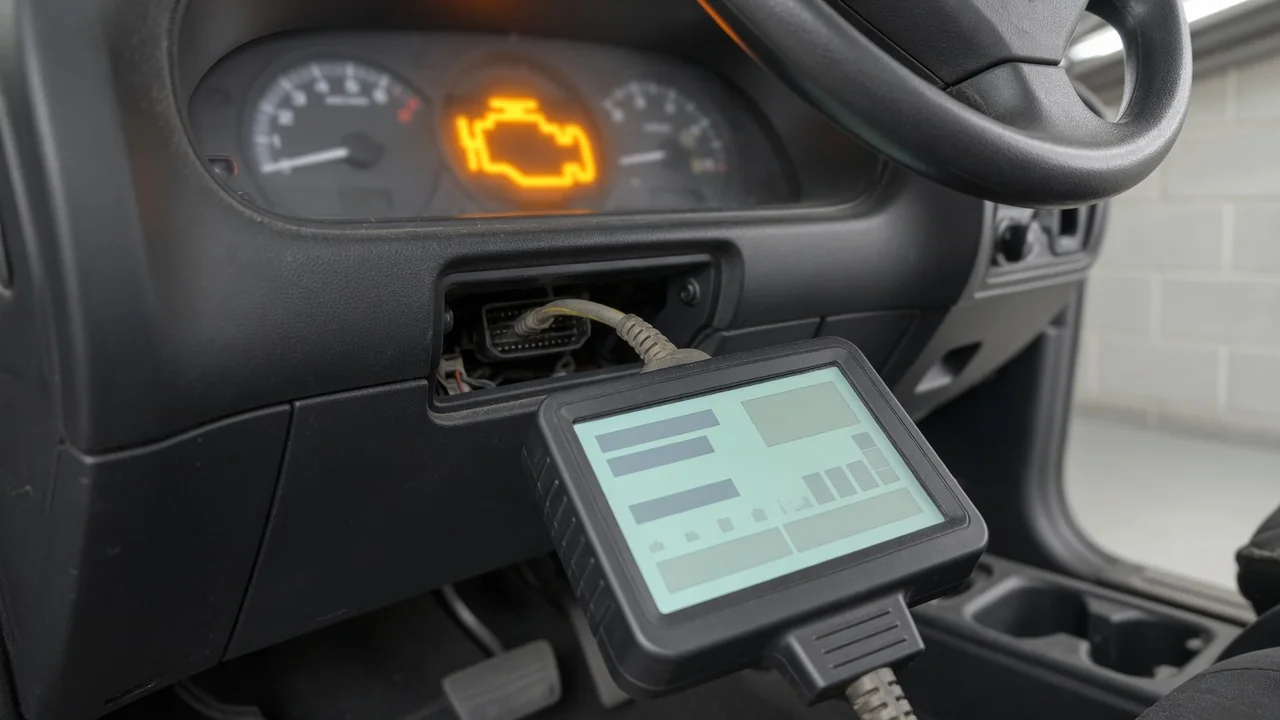
A P1086 code is a manufacturer-specific diagnostic trouble code, meaning its definition changes depending on the vehicle make. Because P1xxx codes are assigned by automakers, there is no single universal meaning. You need to confirm the exact definition for your car using factory service information, a dealer, or an enhanced scan tool with manufacturer-specific support. Ignoring this can lead to misdiagnosis.
What P1086 Means and Why the Definition Depends on the Make
P1086 is not a generic OBD-II code. Generic codes like P0300 have standardized meanings, but P1xxx series codes are reserved for manufacturer-specific use. For example, P1086 may refer to a fuel system issue on one make, a variable valve timing fault on another, or something entirely different on a third. This is why relying on a universal definition is dangerous. Always verify what P1086 means for your exact vehicle before attempting any repair or even a parts purchase. The definition is tied to the automaker's engineering choices.
Even scan tools can mislead you. A basic code reader may display a generic description like "manufacturer control" or an inaccurate generic phrase. Freeze frame data, which captures engine conditions when the fault occurred, and any other stored codes are vital clues. They help narrow down which system the code points to. For instance, if freeze frame shows high coolant temperature and another code for a cooling fan, the P1086 may relate to a cooling system actuator. Without that context, you could chase the wrong subsystem.
How to Look Up the Correct P1086 Definition for Your Vehicle
Before you look up the definition, gather your vehicle's details: the VIN (vehicle identification number), model year, engine code, and the full code text shown by the scanner. The VIN is especially important because the same model can have different engine options in the same year. Having these details ready lets you query factory service information or a dealer accurately. An enhanced scan tool that reads manufacturer-specific definitions can also display the correct meaning directly, saving time and preventing errors.
Do not clear the code before saving the freeze frame data. Many people clear codes to see if they return, but this erases the operating conditions stored at the moment of the fault. A technician can use that data to replicate the issue or identify a pattern. If you already cleared it, the diagnostic process becomes harder. Write down the freeze frame values or take a photo. This simple step preserves evidence that is often lost and cannot be recovered.
Symptoms That May Appear With a P1086 Code
Often the check engine light is the only symptom. The vehicle may start, idle, and drive normally. Because the code is manufacturer-specific, its effect depends on what system the automaker tied it to. Some systems are not critical for immediate drivability, so the light may be the only warning. This does not mean the problem is harmless; it could affect emissions or gradually damage other components. Always treat the light as a signal to check what P1086 means for your car.
When drivability symptoms do appear, they vary widely by make and the affected system. Owners may notice a rough idle, hesitation during acceleration, reduced power, or changed fuel economy. Because P1086 does not have a universal cause, these symptoms must be matched with the confirmed definition. Note when they happen: cold start, warm idle, or under load. For example, a rough idle only when cold may point to a specific cold-start component assigned to that code on your vehicle.
Common Cause Categories to Check Once the Meaning Is Confirmed
Once the exact make-specific definition is confirmed, causes fall into a few broad categories: sensor faults, wiring or connector problems, actuator or valve faults, and control module or software issues. Do not assume a failed sensor just because the code mentions a circuit. A wiring fault, such as a chafed wire or corroded connector, can set the same code as a dead sensor. Replacing a part before checking the wiring is a common mistake that wastes money. Always inspect the circuit first.
Other stored codes can share a root cause with P1086. For instance, a wiring harness that is damaged may affect several sensors on the same branch, causing multiple codes. A low voltage condition from a failing alternator might set codes in unrelated systems. Looking at all codes together, along with freeze frame data, helps identify a common source. Avoid claiming how often any specific cause happens or naming particular parts as fitting certain models without confirmation because that is not supported.
Safe Checks Owners Can Do Before Visiting a Shop
You can do some safe visual checks before visiting a shop. With the engine off and cool, inspect for visible damaged wiring, loose or corroded connectors, disconnected hoses, or signs of rodent damage in the area related to the confirmed definition. For example, if the P1086 for your vehicle points to a fuel pressure sensor, look at its connector for corrosion or a loose fit. Do not probe live circuits or take apart fuel, ignition, or high-voltage parts. These checks are purely visual.
Clearing the code and seeing whether it comes back can give some information, but it does not fix anything. If the code returns immediately, the fault is likely persistent. If it takes days, it may be intermittent, often caused by a loose connection or temperature-related issue. However, a visual inspection cannot confirm a sensor, actuator, or module failure. It can only find obvious physical problems. If you find nothing, the next step is proper diagnosis with the right tools.
When Professional Diagnosis Is Needed
Confirming the fault usually requires manufacturer test procedures, live data review, and electrical testing with the right equipment. A professional technician can follow the diagnostic tree in the factory service manual, which specifies exact test conditions and expected values. Live data from a scan tool shows how sensors and actuators respond in real time, revealing intermittent problems that a visual check cannot. Without this, you risk replacing parts on a guess. Seek professional help if the code keeps coming back, the check engine light flashes, drivability gets worse, or several codes appear.
Before authorizing any repair, ask the shop to confirm the make-specific code definition and show test results. A competent technician should be able to explain why a part is faulty, not just say the code points to it. Also mention checking whether a software update or technical service bulletin may apply. Some codes are caused by module programming issues rather than hardware failures. There is no guarantee a bulletin exists for your vehicle, but it is worth asking the dealer or a well-equipped independent shop.
Repair Approaches and What to Expect After the Fix
Typical repairs fall into general categories: repairing wiring or connectors, replacing a confirmed faulty component, or updating module software. For example, if a wire is rubbed through, soldering and sealing it may be all that is needed. If a sensor is proven dead by testing, replace it with a quality part. In some cases, an engine control module software update from the dealer resolves the code without any parts replacement. The exact repair depends on the confirmed cause and the vehicle.
After the fix, a proper shop will clear the code, run a drive cycle, and make sure the code does not come back. A drive cycle is a specific sequence of driving conditions that allows the vehicle to run its self-tests. Even if the code stays off, readiness monitors may need time to reset. These monitors track whether emissions systems have been tested. If they are not ready, an emissions inspection may fail. Be aware of this if you have an inspection due soon.