P1083 and P1084 Codes: Meaning, Causes, and Fixes
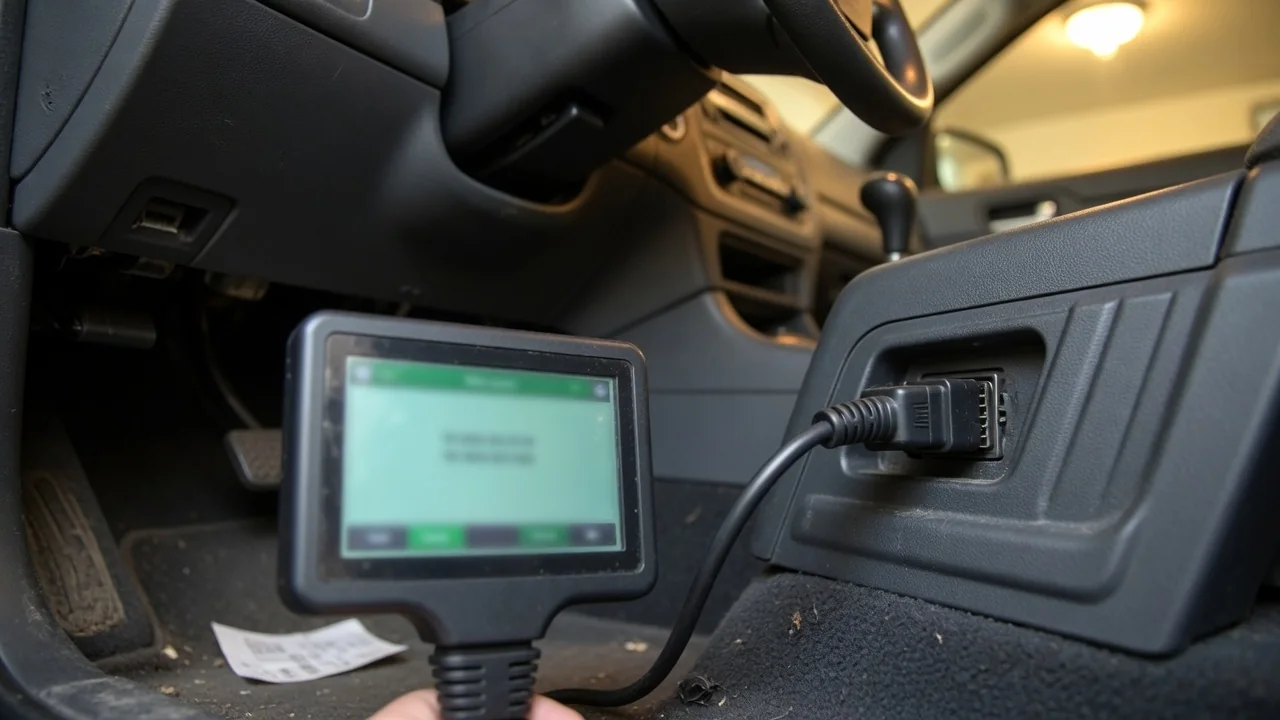
When a check engine light appears with codes like P1083 or P1084, drivers can be left confused because these are not universal OBD-II codes. Unlike generic P0 codes, P1 codes are manufacturer-specific, meaning their definition changes between makes and models. This guide explains how to approach these codes correctly, why verification matters, what symptoms might appear, and how to avoid costly guesswork.
Why P1083 and P1084 Are Manufacturer-Specific Codes
OBD-II diagnostic trouble codes starting with P0 are generic and defined by the SAE standard, while P1 codes are reserved for manufacturer-specific use. That means P1083 and P1084 do not have one universal meaning. The same code on a BMW, a Ford, or a Toyota can refer to completely different systems, such as fuel control, valvetronic operation, or sensor calibrations, depending on the powertrain design.
These two codes are often searched together because some makes use them as a pair for related faults, but they are not automatically opposite sides of the same problem. Before interpreting either code, owners need to confirm the definition from factory service information, a dealer, or a scan tool with manufacturer-specific software. Guessing from a generic list can lead to unnecessary repairs on the wrong component.
What a P1083 Code Can Mean Depending on Your Vehicle
Since P1083 has different meanings on different vehicles, the first step is to obtain the official description for your exact make, model, year, and engine. A basic code reader may show only a vague label like “manufacturer control” or simply display the number, leaving you without usable direction. An enhanced scan tool with OEM software or a dealer lookup will give the precise subsystem and diagnostic path the code was designed to flag.
Record freeze-frame data and any companion codes when P1083 is stored. Freeze frame captures operating conditions—engine temperature, rpm, fuel trim, and load—at the moment the fault was detected, which can reveal whether the issue occurs during cold start, idle, or hard acceleration. Other codes may be current, pending, or historical, and their presence often points to a shared cause such as a wiring issue, vacuum leak, or a failing sensor circuit rather than multiple independent failures.
What a P1084 Code Can Mean Depending on Your Vehicle
Just like P1083, the meaning of P1084 must be confirmed for the specific vehicle before action is taken. The same numeric code can indicate a fuel pressure deviation on one brand, an intake manifold runner position error on another, or even a transmission-related fault elsewhere. Acting on a definition found in a forum or a generic online list written for a different make is a common reason for replacing a healthy part while the original problem remains.
When P1084 appears alongside P1083 or other stored codes, a technician should read them as a group, not as isolated failures. Several codes may be triggered by one underlying condition: a shared sensor reference voltage, a common ground fault, or an intake air leak affecting multiple monitored parameters. Understanding code status also helps—pending means the fault was detected once but not yet confirmed, stored indicates repeated failures, and permanent codes remain after clearing until monitors run clean. Clearing codes without diagnosis will usually result in them returning as soon as the enabling conditions recur.
Symptoms Drivers May Notice With These Codes
Symptoms with P1083 and P1084 depend entirely on what those codes mean for the vehicle. In many cases, there is no noticeable change beyond the illuminated check engine light, especially if the fault involves a rationality check or a minor calibration error. Other drivers may observe rough idle, hesitation during acceleration, reduced fuel economy, or an unusual exhaust smell—but these are general clues, not proof of a specific failing component.
A steadily lit check engine light means the fault is present but not immediately damaging, while a flashing light indicates a misfire or condition that could damage the catalytic converter. If the light flashes, reduce driving and have the vehicle checked promptly. Keep notes about when symptoms occur, such as after a cold start, at idle, under load, or only when the engine is warm. These patterns help a technician reproduce the fault and narrow the possible causes quickly.
Possible Causes and the Limits of Guessing From a Code
A trouble code is not a parts list; it is the result of a monitor detecting that a value fell outside an expected range. The code tells you which monitored condition failed a test, not which component has failed. For example, a fuel trim code could be caused by a faulty oxygen sensor, a vacuum leak, a weak fuel pump, or even a software calibration issue—the code merely says the mixture control system could not compensate as expected.
Broad categories that technicians investigate include sensor signals, wiring and connectors, vacuum or intake leaks, and control module software. Wiring corrosion, chafed insulation, or a cracked PCV hose can produce the same code as a failed sensor. Technical service bulletins or software updates sometimes apply, and a dealer can check for them by VIN. Replacing parts based only on the code number is a diagnostic shortcut that often wastes money and leaves the real fault untouched.
Safe Checks You Can Do and When to Get Professional Testing
Before visiting a shop, owners can safely read and save all codes and freeze-frame data from their own scanner. With the engine off and cool, visually inspect for obviously damaged or disconnected vacuum hoses, loose electrical connectors, or recent repair work that may have left something unplugged. Note any recent repairs, even seemingly unrelated ones, because disturbed wiring or forgotten ground connections are common root causes after service.
Live-data analysis, smoke testing for intake leaks, and electrical circuit testing require specialized equipment and training. Do not work on fuel system components or hot exhaust parts, and never disconnect sensors while the engine is running. Book a professional diagnosis if the code returns after clearing, drivability worsens, the check engine light flashes, or an emissions inspection is approaching. Bring a list of codes, freeze-frame data, symptom notes, and recent repair history to help the technician diagnose faster and more accurately.