P1082 Code: What It Means on Your Vehicle, Symptoms and Diagnosis
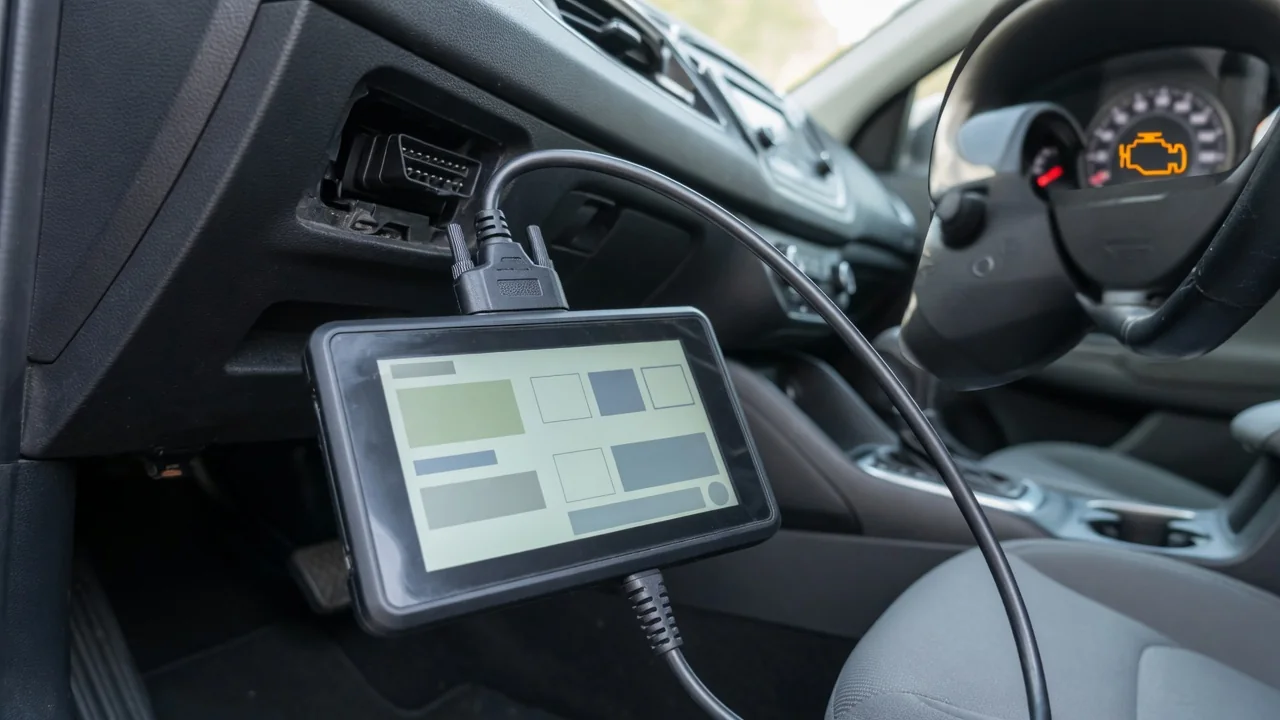
When the check engine light illuminates and a scan reveals a P1082 code, the meaning is not the same for every vehicle. P1082 belongs to the manufacturer-specific range of OBD-II powertrain codes, so its definition depends on the make, model, year, and engine. The powertrain control module stores this code after detecting a condition defined by the manufacturer. To diagnose it correctly, you must confirm the exact definition for your vehicle before interpreting symptoms or replacing parts.
What the P1082 Code Is and Why Its Meaning Depends on the Manufacturer
Codes that start with P1 are reserved for manufacturer-defined powertrain codes. Unlike generic codes such as P0300, P1082 has no single universal meaning across all automakers. One manufacturer may use it for a fuel pressure sensor circuit issue, while another may define it as an exhaust valve control problem. This is why the first step must be to identify the exact definition for your specific vehicle. Without that confirmation, any diagnosis is guesswork and can lead to replacing the wrong component.
Reliable ways to confirm the vehicle-specific definition include consulting factory service information, contacting a dealer, or using a scan tool with enhanced manufacturer coverage. Generic online code lists often show a definition for a different make, which can be misleading. A code reader that only displays generic OBD-II data may not show the manufacturer-specific meaning at all. Always verify the definition from a source tied to your vehicle's make, model, year, and engine before proceeding.
How to Read P1082 Correctly With a Scan Tool
A basic OBD-II code reader will display the code but not the manufacturer-specific details needed for accurate diagnosis. A professional scan tool with enhanced coverage can show the definition, freeze frame data, and related codes. Before clearing anything, record the freeze frame data, which captures engine conditions when the code was set, such as rpm, load, and temperature. Also note whether the code is pending, confirmed, or history, as this indicates how recently the fault occurred and whether it is active.
Related codes stored alongside P1082 often matter more than P1082 alone. For example, a communication code or a sensor circuit code may point to a shared wiring harness connector or a module issue. Clearing the code without recording this data removes useful diagnostic evidence, forcing the fault to recur before testing can continue. A technician will need that information to compare live data against the conditions present when the code was set.
Symptoms Drivers May Notice When P1082 Is Stored
Symptoms vary by make because the monitored system differs. Some vehicles may show only a check engine light with no noticeable change in operation. Others might exhibit idle roughness, hesitation during acceleration, reduced fuel economy, or an unusual smell from the exhaust. Note when the light appears, whether it is steady or flashing, and any change in engine behavior. Recording conditions such as engine temperature, vehicle speed, and weather can help a technician reproduce the fault.
A flashing check engine light or a severe drivability change, such as stalling or loss of power, calls for reducing driving and seeking prompt service. These symptoms indicate a fault that may damage the catalytic converter or create a safety risk. While a steady light often allows continued driving for a short time, it is still important to have the code diagnosed. The definition of P1082 will clarify whether the fault affects emissions, fuel control, or another critical system.
Possible Causes Once the Vehicle-Specific Definition Is Confirmed
Causes depend entirely on which system the manufacturer assigns to P1082. Once the definition is confirmed, possible cause categories include sensor faults, wiring or connector problems, component malfunction, or control module issues. A sensor may fail internally, but more often the circuit is open or shorted due to damaged wiring or a loose connector. The component the sensor monitors, such as a valve or actuator, may also fail mechanically. Without the specific definition, these categories remain broad.
A code indicates the condition a module detected, not necessarily a failed part. For example, P1082 might be set because a voltage reading is out of range, which could be caused by a short to ground, a faulty sensor, or a problem in the module's internal circuitry. Testing is required to isolate the cause. Avoid assuming that a specific part is bad based on the code alone, and do not rely on claims about how common a particular cause is without verified service information for your vehicle.
Safe Checks an Owner Can Do Before Visiting a Shop
With the engine off and cool, an owner can perform visual-only checks: look for obviously loose, damaged, or disconnected connectors and hoses in the area related to the confirmed system. A connector that is not fully seated or a vacuum hose that has slipped off can set a code. Do not probe live circuits or bypass components, as this can cause damage or injury. Also check for open technical service bulletins or recalls through the manufacturer or dealer; a known issue may have a specific repair procedure.
After noting the code and any related data, you may erase it and drive the vehicle through a normal drive cycle to see if it returns. If the code returns quickly, the fault is likely consistent. A pending code may reappear after a specific condition is met. Keeping a simple log of when the light comes on and under what conditions can help the technician. Do not attempt deeper electrical testing unless you have the proper training and equipment, as working near hot or moving engine parts is dangerous.
When Professional Diagnosis Is Needed and What Testing Involves
Confirming the root cause usually requires manufacturer test procedures, wiring diagrams, and live data interpretation. A professional technician may check sensor readings against expected values, test circuit integrity for shorts or opens, and inspect connectors for corrosion. Module software updates may be applicable if a known issue exists. The technician should follow the diagnostic trouble tree for that specific code rather than replacing parts based on a guess. Ask the shop to confirm the diagnosis before authorizing the repair.
Testing may involve using an enhanced scan tool to view live data and comparing it to the freeze frame. A technician might also perform a voltage drop test on the circuit or use a lab scope to check signal quality. If a component is replaced, the module may need to relearn values or the code cleared. Repair cost depends on the confirmed cause and vehicle, and it is not possible to quote prices without that information. The focus should be on proper diagnosis first.
Can You Keep Driving With P1082 and How to Prevent Repeat Codes
Drivability risk depends on the confirmed definition and symptoms, so no blanket safe-to-drive answer applies. If the vehicle runs normally and the code is related to a minor emission component, driving may be acceptable for a short period. However, an unresolved code can mask new faults because the check engine light is already on, leaving no warning if a more serious problem develops. An emissions inspection may also be affected by a stored code or an active warning light.
General good practice includes following the owner's manual maintenance schedule and addressing warning lights promptly. Regular maintenance such as oil changes, air filter replacement, and spark plug service can prevent some causes of fault codes. When a P1082 code appears, confirm the definition and proceed with diagnosis rather than ignoring it. This approach reduces the chance of repeat codes and helps keep the vehicle operating efficiently and within emissions standards.