P1080 Code: What It Means on Your Vehicle, Symptoms and Diagnosis
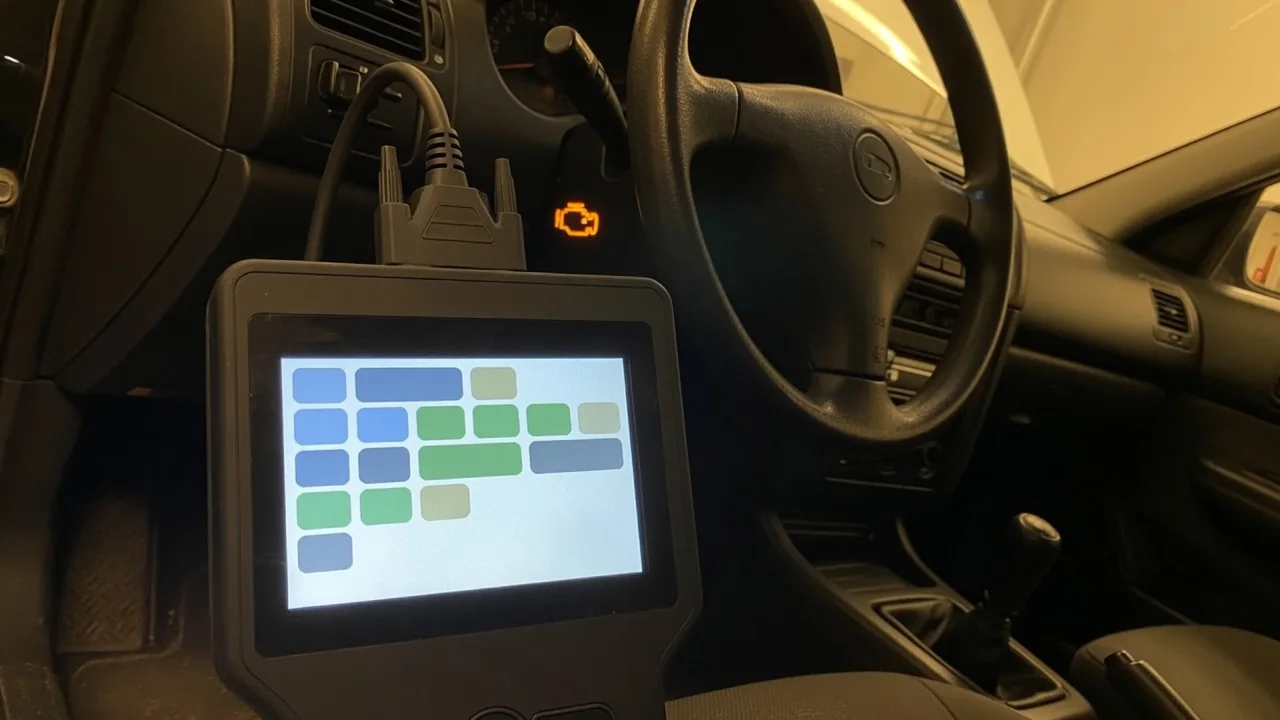
A P1080 code is not a single fault that means the same thing on every vehicle. Codes that begin with P1 are assigned by the manufacturer, so the definition can change with make, model, engine, and year. You may see a check engine light with no driveability change, or you may notice rough idle or poor fuel economy. Before clearing the code, record exactly when it set and any freeze frame data, because that information helps confirm the monitor conditions.
Why the P1080 Code Has No Single Universal Meaning
The P1080 code falls into the manufacturer-specific range of OBD-II diagnostics. Unlike generic powertrain codes, these P1 codes are defined by each automaker for a particular system, circuit, or operating condition. On one vehicle, the code might point to a fuel pressure sensor circuit; on another, it could describe a variable valve timing oil control problem. The only safe approach is to stop treating P1080 as a universal failure and start with your vehicle's exact identification.
Generic scan tools may return a blank label, a vague description like "manufacturer control," or nothing at all after reading this code. That does not mean the tool is broken; it means the software does not contain the vehicle-specific definition. Freeze frame data captured when the code set can show engine temperature, rpm, load, and fuel trims. This snapshot often reveals whether the condition happened at cold start, during warm-up, or under load, and it should be saved before any clearing or repairs.
How to Confirm What P1080 Means for Your Make and Model
To confirm what P1080 means for your vehicle, you need factory service information or a scan tool with manufacturer-level software. The VIN, engine code, and model year narrow the lookup because the same P1080 label may be reused differently across platforms. A dealership technician can also check the specific DTC definition in the published diagnostic manual for that calibration.
Online forum posts and generic code lists are risky sources for P1080. A list might show a fuel pressure definition for one brand while another brand uses the same number for a camshaft actuator position error. If the definition does not name the exact make, model, engine, and year, it is not verified. The same caution applies to technical service bulletins; the bulletin must match the vehicle's build configuration before its repair guidance becomes relevant.
Symptoms Drivers May Notice Alongside P1080
Symptoms with P1080 depend entirely on the confirmed definition. Many vehicles will drive normally apart from a steady check engine light, because the fault may involve a rationality check or an intermittent circuit condition that has not yet affected engine output. Other confirmations may cause hard starting, rough idle, hesitation off the line, reduced fuel economy, or a mild loss of power.
Writing down when the symptoms occur helps a technician reproduce the problem. Note whether the issue appears on a cold start, after the engine warms up, under moderate acceleration, at idle, or only when the weather is hot or cold. A flashing check engine light or an obvious loss of power indicates a condition that could damage the catalyst or leave the vehicle unsafe to drive; the car should be stopped and towed or checked immediately.
Possible Cause Categories and What a Scan Can and Cannot Tell You
In general, manufacturer-specific codes like P1080 can be triggered by the same broad categories: a sensor circuit fault, a wiring or connector issue, a failed component, or a control module logic condition. The module compares sensor readings against expected ranges or against other sensors, and a code sets when the comparison fails. These categories are not make-specific and do not tell you which part to buy.
A stored P1080 points to the monitored system or circuit, not to a specific component. For example, if the confirmed definition involves a fuel pressure sensor circuit, the cause could be the sensor, its wiring, its connector, or the reference voltage supply. If other codes are stored at the same time, they can change the diagnostic path, because one fault may create multiple symptoms. Avoid assuming the first code is the root cause.
Safe Checks You Can Do Before Visiting a Shop
Before visiting a shop, you can perform only visual, non-invasive checks with the engine off and cool. Look for obviously loose, damaged, or chewed wiring, corroded connectors, or disconnected vacuum lines in the engine bay and under the dash if you can reach them safely. Do not pull hard on harnesses or open sealed connectors. A damaged wire or cracked insulation can create an intermittent short or open that sets a manufacturer-specific code.
Using a basic scan tool, you can record freeze frame data and see whether P1080 is current, pending, or stored as a history code. Current means the fault is active now; pending means the monitor has seen the fault once but not yet completed a full drive cycle; historic means the fault was stored but has not reoccurred recently. Do not clear the code just to see if it comes back. Clearing erases the freeze frame data and the monitor status, which removes the very clues a technician needs.
When Professional Diagnosis Is Needed and What to Expect
Because P1080 is manufacturer-specific, professional diagnosis usually requires factory-level scan tools, wiring diagrams, and the published diagnostic test procedure for that code. A technician may check live data from the affected sensor or actuator, compare readings with a known good vehicle, inspect the connector terminals for fretting or corrosion, and perform the exact electrical checks called for in the service manual. Technical service bulletins can also provide known fixes for specific build ranges.
Before approving parts replacement, ask the shop for the confirmed code definition and the test results that pointed to the failed component. A good diagnostic process should show which circuit test failed or which live data value was outside range. Cost cannot be predicted from the code alone; it depends on the confirmed cause, the labor time to access the component, and local shop rates. A second opinion on the definition may be worthwhile if the first source is unclear.
Repair Approach and Checking That the Fix Worked
The repair should follow the confirmed definition and the diagnostic test results. Replacing a part based on a code definition alone without testing the circuit often leads to comebacks. After the repair, the technician will clear the code and then complete the drive conditions needed for the monitor to run again. On some vehicles, the readiness monitor requires a specific speed, temperature, and time sequence; simply driving around the block may not be enough to set the monitor to ready.
If P1080 returns after the repair, do not assume the same part has failed again. A new part may be defective, but more often the original wiring, connector, or control module issue is still present. The vehicle should be diagnosed again from the beginning, using the stored freeze frame data and any related codes. Keep records of the codes, test results, and repairs, because a repeated P1080 may be part of a pattern that only becomes clear with history.