P1076 Code: Meaning by Make, Symptoms, Causes and Diagnosis
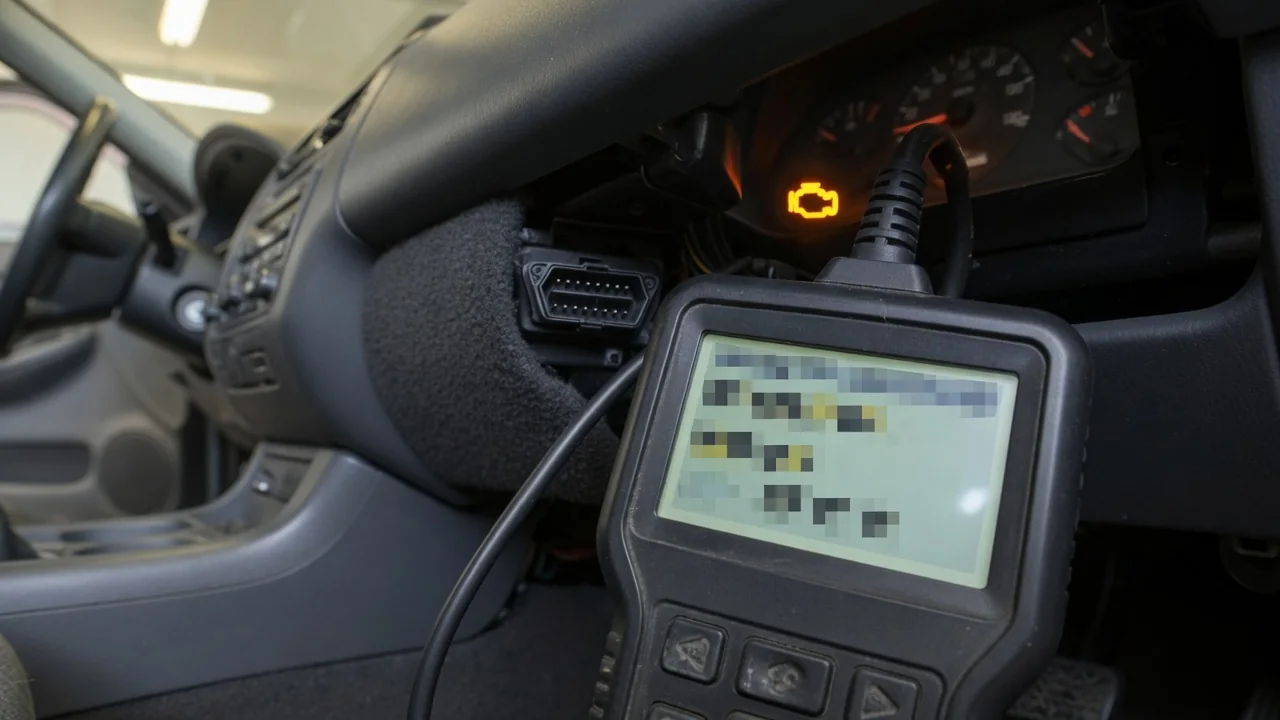
A P1076 code is a manufacturer-specific powertrain diagnostic trouble code, meaning its definition changes depending on your vehicle's make, model, engine, and year. Unlike generic OBD-II codes such as P0300, this P1-series code can point to different systems or faults from one automaker to another. Seeing it on a scan tool is only the first step; the real diagnostic work starts with confirming the exact meaning for your car.
What the P1076 Code Means and Why It Depends on Your Vehicle's Make
The P1 prefix in a diagnostic trouble code is reserved for manufacturer-specific powertrain codes, so P1076 does not have one universal meaning. For example, on some Nissan vehicles it may relate to a variable valve timing control circuit, while on a Honda it could reference an entirely different subsystem. The same code number can describe different sensors, actuators, or circuits depending on the make, model, engine, and model year. This variability is why interpreting the code without a vehicle-specific definition can lead to incorrect assumptions and wasted repairs.
Before assuming you know what P1076 means, check the definition against the manufacturer’s service information or a scan tool with make-specific coverage. Generic code lists often summarize the most common application or borrow a definition from one brand and apply it to all, which can send diagnosis in the wrong direction. A code that points to an intake manifold tuning valve on one vehicle might relate to an exhaust gas recirculation sensor on another. Taking the time to confirm the exact definition prevents chasing false leads and replacing parts that are not faulty.
How to Confirm the Exact P1076 Definition for Your Car
Reading the code with a scan tool that supports enhanced, manufacturer-level codes is essential. Basic OBD-II readers may show only the generic portion or misinterpret the code, leaving out the detailed description that the automaker assigned. An enhanced scan tool can display the full code text as stored in the powertrain control module, such as “P1076 – Intake manifold tuning valve control circuit high.” This extra detail immediately narrows down which system to inspect. If your current tool only shows the number, consider borrowing or purchasing one with enhanced coverage for your vehicle make.
Record the full code text, the freeze frame data, and any other stored codes whenever P1076 appears. Freeze frame data captures engine operating conditions like rpm, coolant temperature, and vehicle speed at the moment the code was set, which can reveal whether the fault occurs only when cold, at idle, or under load. Additional codes may be related to the same root cause or indicate separate problems. Also have your VIN, engine, and model year ready when asking a dealer or independent shop about the definition. Note whether the code is pending, stored, or history—a pending code has not yet fully set and may not illuminate the check engine light, while a history code indicates a past event that may not be active.
Symptoms That May Appear With a P1076 Code
Symptoms of a P1076 code depend entirely on its confirmed definition. Some vehicles may show only an illuminated check engine light with no noticeable change in driving behavior. In those cases, the fault may be an intermittent circuit issue or a monitor that failed once and is waiting to verify. Other definitions involve components that directly affect engine performance, such as variable valve timing controls or intake manifold tuning valves. When those systems malfunction, you may notice rough running, hesitation during acceleration, reduced power, or changes in fuel economy. The symptom profile is tied to the specific system, not the code number itself.
Drivers should make safe observations when the code appears or the light comes on. Note whether the light is steady or flashing, and record the driving conditions at that moment—engine temperature, whether you were accelerating, cruising, or idling, and outside temperature if relevant. A flashing check engine light indicates a severe misfire that could damage the catalytic converter, and sudden power loss may create a traffic hazard. In those cases, reduce driving to the nearest safe location and have the vehicle inspected promptly. Even a steady light with no symptoms should be diagnosed, because some failures can progress and cause additional damage or leave you stranded.
Possible Causes Once the Manufacturer Definition Is Known
Possible causes of a P1076 code only make sense after the code’s meaning for that specific vehicle is confirmed. Once you know what system the code points to, you can consider the likely failure modes within that system. Common categories include sensor or circuit faults, such as a failed sensor, an open or shorted wire, or poor connections. Wiring and connector problems are common, especially where harnesses flex or are exposed to heat and moisture. Mechanical faults within the monitored system, such as a sticking actuator or blocked passage, can also trigger the code, as can issues with the powertrain control module itself, though module failures are less common.
A diagnostic code shows which circuit or condition the computer flagged, not that a specific part has failed. For example, a code pointing to a variable valve timing circuit could be caused by a faulty oil control valve, a wiring issue, low engine oil level, or a mechanical timing problem. Replacing parts based solely on the code number often leads to wasted money and unresolved issues. The code is evidence to interpret, not proof of a failed component. Only systematic diagnosis using the manufacturer’s service information and testing procedures can identify the true root cause.
Safe Checks Owners Can Do Before Visiting a Shop
Before visiting a shop, owners can perform safe visual inspections with the engine off and cool. Look for obviously damaged wiring, loose or corroded connectors, or disconnected hoses in the area related to the code’s confirmed system. For example, if the code relates to an intake manifold tuning valve, inspect the wiring and the vacuum lines connected to the actuator. Do not touch hot components or attempt repairs that require removing parts or testing live circuits. Basic observations of visible damage can give the technician a head start, but they are not a substitute for professional diagnosis.
Clearing the code and watching whether it returns can provide useful information, but remember that clearing erases the freeze frame data and any other stored codes that may help diagnosis. Instead of clearing, note the code and its data, then continue driving normally to see if it reappears. Recent repairs or battery work are also relevant—disconnecting the battery can clear codes and reset monitors, and a recently repaired component may have been installed incorrectly. Owner checks cannot confirm electrical function, sensor accuracy, or internal mechanical condition. When in doubt, stop and hand off the diagnosis to a qualified technician.
How Technicians Diagnose and Repair a P1076 Fault
Professional diagnosis starts by confirming the exact definition of P1076 for the vehicle and reviewing the manufacturer’s service information. Technicians check for technical service bulletins that may describe known issues and updated repair procedures. The service information includes diagnostic flowcharts and component locations, which guide the testing process. The technician then uses a scan tool to read live data from the monitored system, looking for values that are out of range or do not respond to commands. Circuit testing with a digital multimeter checks wiring integrity, and mechanical tests may follow.
Technicians use live data, circuit testing, and the manufacturer’s diagnostic flowcharts in place of guesswork. For example, if the code relates to an intake manifold tuning valve control circuit, the tech may command the valve open and closed while watching its position feedback. If the system uses a vacuum actuator, a hand-held vacuum pump can verify movement. On some vehicles, software updates or module reprogramming may be the prescribed repair—only manufacturer information can confirm this. After the repair, the technician clears the code and completes a drive cycle to verify that the monitor runs and passes, ensuring the code does not return.
Is It Safe to Drive With a P1076 Code?
Whether it is safe to drive with a P1076 code depends on the confirmed meaning and the symptoms you notice. A steady check engine light with normal driving behavior may indicate a fault that does not immediately affect vehicle operation, but that does not mean it should be ignored indefinitely. Some monitored systems, when malfunctioning, can reduce fuel economy, increase emissions, or cause damage to other components over time. If the code relates to a critical system such as variable valve timing, continued driving could lead to reduced performance or engine damage.
Warning signs that call for stopping or towing include a flashing check engine light, severe misfire, sudden loss of power, stalling, or unusual noises. Driving under those conditions can cause expensive damage or create a safety risk. Also, an active code will cause a failed emissions inspection in areas that test vehicles, and some failures can prevent the vehicle from passing until repaired. Getting the code diagnosed promptly is the safest approach. A small electrical fault or loose connector fixed early often costs far less than the secondary damage that can result from continued driving.