P1066, P1069 and P1070 Trouble Codes Explained
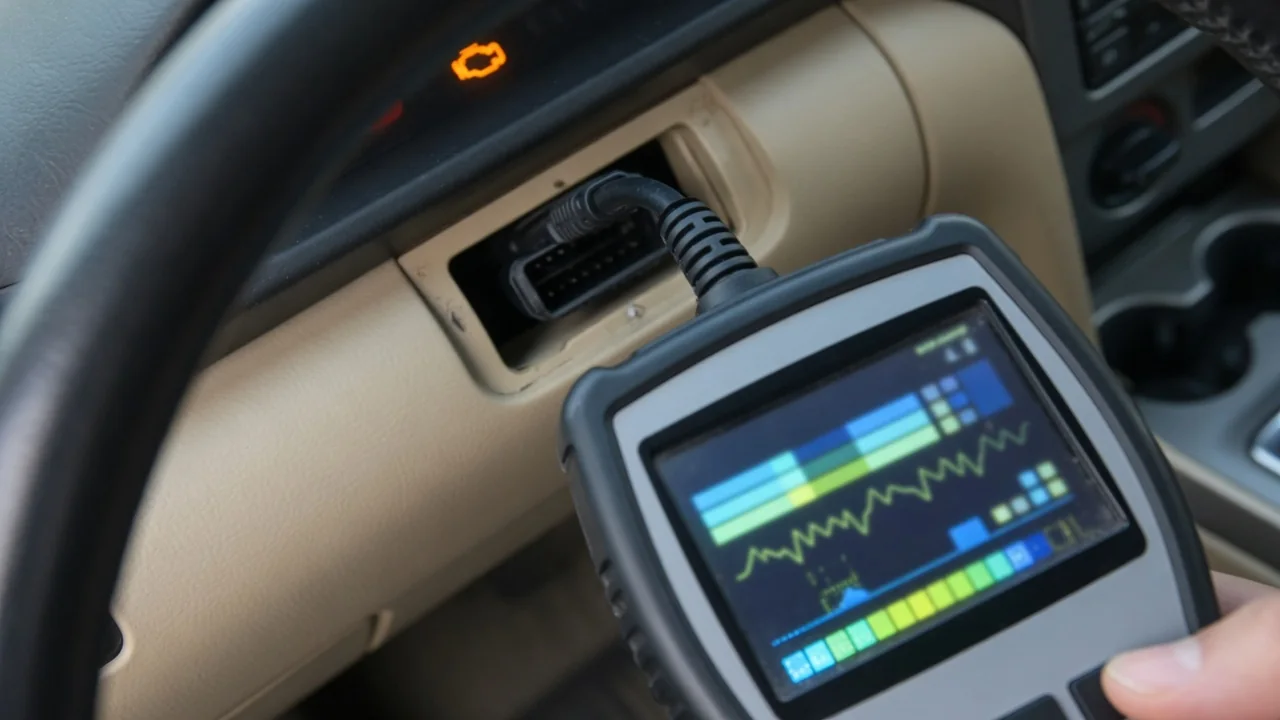
A check engine light with a code like P1066, P1069, or P1070 can be confusing because these numbers don’t have a single meaning across all vehicles. They belong to the manufacturer-specific P1 range, where each automaker defines the fault differently for their own powertrain systems. Without the correct make-specific reference, a generic diagnostic trouble code lookup can mislead you. To diagnose properly, you need freeze frame data, other stored codes, and the vehicle’s service information.
Why P1066, P1069 and P1070 Have No Single Universal Meaning
The P1 prefix in an OBD-II code indicates a manufacturer-specific powertrain code. Unlike standardized P0 codes, these are assigned by each carmaker to address unique engine control module strategies. Therefore, P1066, P1069, and P1070 can mean entirely different things on a Ford versus a Nissan. A generic online definition may belong to another make, leading to wrong conclusions. Acting on a mismatched definition can cause unnecessary part replacement and wasted diagnostic time.
The only reliable definition comes from the manufacturer's service information or a scan tool with make-specific data, matched to the vehicle's VIN, year, and engine. Additionally, these codes often appear with other stored codes. The combination and freeze-frame data give more context than a single code. For example, a fuel-related code plus a misfire code points in a different direction than either alone. Always review the full code list before deciding what to check first.
P1066: Confirming the Definition for Your Specific Vehicle
P1066 must be looked up for the exact make, model, year, and engine before anyone interprets it; there is no one universal definition. Some verified examples include: on certain Nissan vehicles, P1066 can relate to a fuel rail pressure sensor or system issue; on some Hyundai/Kia applications, it may concern a variable intake manifold control circuit; on certain GM vehicles, it might be associated with a fuel pressure sensor performance. Each meaning is distinct and requires the specific manufacturer service information for accurate diagnosis.
Before clearing anything, record the code status—pending, confirmed, or permanent—along with freeze-frame data and any related codes. Freeze-frame captures engine conditions like RPM, coolant temperature, and fuel trims at the moment the code set. Symptoms owners may notice vary: a check engine light, changed drivability such as hesitation or rough idle, or no obvious change when the code is pending. These observations help a technician prioritize tests without linking them to a single cause.
P1069: What to Check Before Assuming a Cause
P1069's meaning depends on the manufacturer and must be confirmed through make-specific service data before diagnosis starts. There is no safe way to interpret this code from a generic chart. The code shows where the engine control module saw a problem, not which part failed. For instance, a circuit code does not automatically mean a sensor is bad; it could indicate wiring, connector, or module issues. Buying parts based only on the code number often leads to wasted money.
Start with safe, non-invasive checks: read the code again after a normal drive to see if it recurs, note when the warning light comes on (cold start, acceleration, steady cruise), and look for any visible disconnected or damaged connectors without taking anything apart. A visual inspection can reveal obvious issues like a loose harness or corrosion, but do not unplug components to test. If the code comes back after being cleared, it needs proper diagnosis rather than repeated clearing, because the underlying fault remains.
P1070: Reading the Code in Context
P1070 also has no universal definition and must be verified against the vehicle's own manufacturer information. The conditions when the code set—such as engine temperature, speed, load, or recent battery work—can help a technician narrow down what the system detected. For example, a code that sets only when the engine is cold might point to a temperature-dependent circuit issue, while one that appears after a battery replacement could relate to learned values being lost.
The limits of guessing are significant: a matching symptom described online does not confirm the same fault on a different vehicle, because even if the code number matches, the underlying logic may differ. It is useful to check the manufacturer's technical service bulletins or ask a dealer whether any updates apply to the specific VIN. Do not assume a bulletin exists for your code, but it is a worthwhile step in the diagnostic process. A make-specific scan tool can often access these resources.
Safe Observations Owners Can Make Without Tools or Risk
Owners can make safe observations without tools or risk: write down when the light appears, whether it stays on or flashes, the weather and driving conditions, and any changes in noise, power, or smell. For example, note if the light comes on after a cold start on a rainy day, or only during highway driving. These details give the technician valuable context that may not be present in the freeze-frame data.
A flashing check-engine light, overheating, burning smells, or a sharp loss of power mean the driver should stop driving and get help immediately; continuing could cause further damage. Do not disconnect components, bypass sensors, or work near hot, electrical, or fuel system parts to try to clear these codes. A basic code reader can retrieve the number, but make-specific interpretation usually needs manufacturer-level software that reads the code with its exact definition for your vehicle.
When These Codes Need Professional Diagnostic Testing
Confirming what triggered a manufacturer-specific code usually needs make-specific scan data, live readings, and pinpoint test procedures. A professional scan tool can access the code's definition, show live sensor data, and perform bidirectional tests that are not available on basic readers. When you bring the vehicle to a shop, provide the code list, a freeze-frame printout, your symptom notes, and any recent repair or battery history. This information saves diagnostic time and helps avoid redundant testing.
Do not clear codes before the visit; clearing removes data a technician needs, including the freeze-frame and the code's status (pending or confirmed). A pending code that has not yet set the light can still be useful for diagnosis. Keep in mind that emissions inspections and readiness monitors may be affected while codes remain stored, and local rules vary; some monitors may not run until the code is addressed. A professional diagnosis is the most reliable path to a correct repair.