P1060 Code: Manufacturer-Specific Meaning, Symptoms and Diagnosis
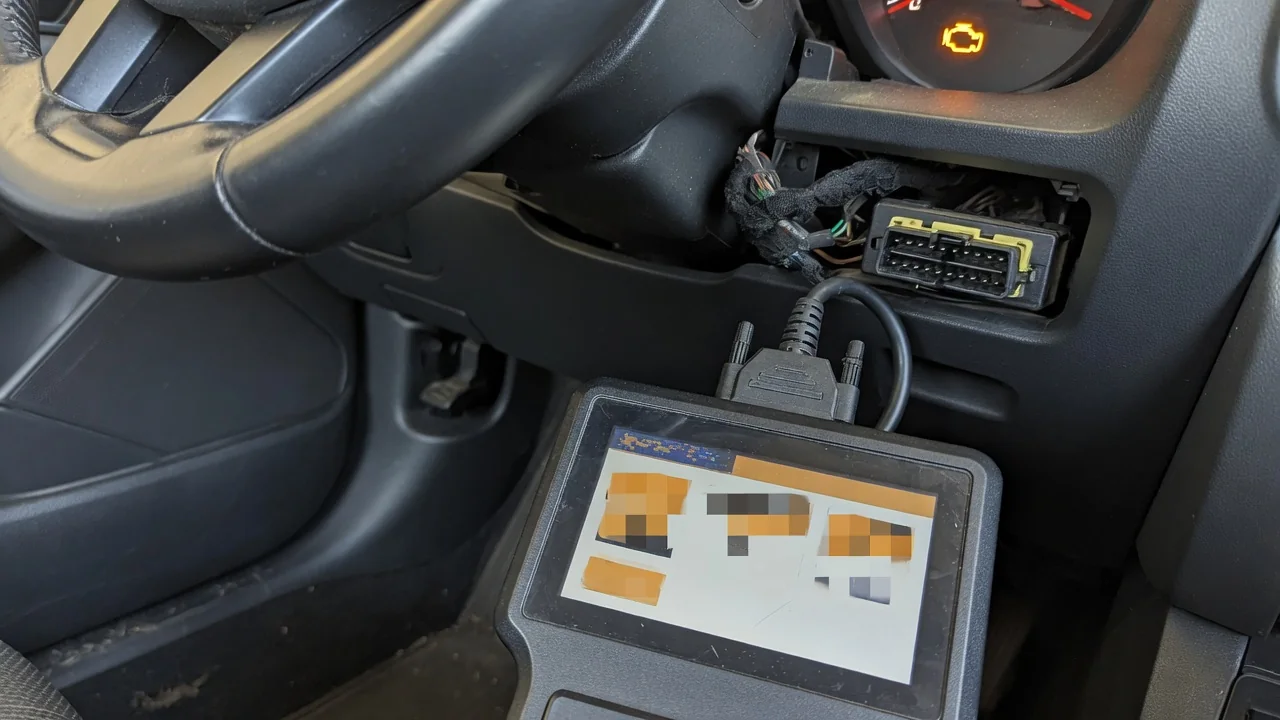
A P1060 code is a manufacturer-specific trouble code, so its meaning changes with your vehicle's make, model, and year. Unlike generic P0 codes, P1060 has no universal definition, and basic OBD-II scanners often show only a vague or misleading description. Before interpreting the code or attempting repairs, confirm the exact definition through a factory service source, dealer, or professional scan tool. This guide helps you gather the right information, recognize symptoms, understand common causes, and decide when to seek professional help.
What a P1060 Code Means and Why It Depends on Your Vehicle's Make
In OBD-II diagnostics, P1xxx codes are reserved for manufacturer-controlled use, so P1060 has no single definition across all vehicles. A generic powertrain control module fault on one brand could be a transmission-related electrical issue on another, or something entirely different on a third. Before you search online or start testing parts, you need the definition for your exact make, model, year, and engine. Factory service information, a dealer, or a professional scan tool with manufacturer-specific software will give you the correct interpretation that generic code libraries often miss.
Don't trust basic code readers or free lookup sites for P1060. They often display only a vague label like "manufacturer control" or mislabel it based on another brand's definition. Even well-known forums can repeat incorrect assumptions. The safest approach is to verify the code's meaning through a reliable source that recognizes your vehicle's specific diagnostic protocols. Only after you know what circuit or system the code refers to can you begin a meaningful diagnostic path. Guessing based on a generic description wastes time and risks replacing parts that were never faulty.
Gathering the Right Information Before You Interpret P1060
Before you interpret P1060, record everything your scan tool shows: the full code text, freeze frame data, pending versus confirmed status, and any companion codes. Freeze frame data captures engine conditions like rpm, temperature, and load when the fault occurred, which often reveals whether the problem is tied to cold starts, highway cruising, or hard acceleration. Pending codes indicate a fault that hasn't yet met all confirmation criteria, while a confirmed code means the condition has recurred enough to illuminate the check engine light. Companion codes can point to shared circuits or related systems.
The module that set the code matters too. A P1060 from the powertrain control module may refer to an engine or emissions function, but the same number from a transmission or body controller carries an entirely different meaning. Note when the warning light appeared, the driving conditions, and any recent work like battery replacement or wiring repairs. Remember: a trouble code identifies the circuit or system the computer flagged, not the failed component itself. The actual fault could be a sensor, its connector, the wiring between them, or even the module's software.
Symptoms Drivers May Notice With P1060
Symptoms with P1060 vary widely depending on the confirmed definition. Some drivers notice nothing beyond the check engine light, while others experience reduced power, limp mode, rough running, or changes in idle and shifting. A steady light usually means the fault is persistent but not immediately harmful, though the vehicle may already have reduced performance. A flashing light, however, signals a serious condition that could damage the catalytic converter or other components, so you should reduce speed and load and get the vehicle checked as soon as possible.
Don't assume your symptoms uniquely identify P1060. The same rough idle could come from a vacuum leak, failing ignition coil, or fuel delivery problem, none of which share this code. Only the confirmed manufacturer definition links P1060 to a specific circuit or system. Use symptoms as supporting evidence for your diagnostic direction, not as proof of the code's meaning. If you notice severe drivability issues or warning lights that suggest immediate danger, stop driving and arrange professional diagnosis rather than trying to continue with a potentially unsafe fault.
Common Categories of Causes to Consider Once the Definition Is Confirmed
Once you've confirmed what P1060 means for your vehicle, common cause categories often include wiring and connector problems, sensor or actuator faults, low battery or charging voltage, and control module or software issues. Corroded terminals, loose pins, or harness chafing can create intermittent signals that mimic failed components. A weak battery or failing alternator can also trigger manufacturer-specific codes because many modules rely on stable voltage for accurate sensor readings. Software glitches are another possibility, especially if the vehicle is older or has not received updates.
Some automakers issue technical service bulletins or software updates for specific codes, including P1060 variants. Ask a dealer whether any bulletins apply to your exact vehicle and engine before replacing parts. However, avoid ranking causes by likelihood without vehicle-specific support. What is common on one platform may be rare on another. Resist the urge to guess-replace a sensor or module based on online anecdotes. A methodical approach—starting with the verified definition and then inspecting the associated circuit—saves money and avoids unnecessary work.
Safe Checks You Can Do and Where DIY Diagnosis Stops
You can perform several low-risk checks at home with the engine off. Begin by reading and recording all codes and freeze frame data, then inspect the battery condition and terminal connections. Corrosion or a loose clamp can cause voltage drops that trigger false codes. Next, look for obviously damaged or unplugged connectors in areas you can safely access, such as under the hood or behind interior panels. Never probe wires or disconnect components with the engine running, and avoid anything near hot, moving, or high-voltage parts like ignition coils or hybrid systems.
Clearing the code without a fix only hides the problem and erases freeze frame data that a technician may need to diagnose the fault. Treat the code as a clue, not an inconvenience to erase. Guess-replacing parts based only on the code number usually wastes money because the fault may be a wiring issue, connector, or software update instead. Leave electrical probing, module replacement, and any work requiring access to belts, fans, or high-voltage components to trained technicians who have the proper tools and safety procedures.
How a Professional Diagnoses and Repairs P1060
A professional starts by confirming the manufacturer definition for your exact vehicle, then follows the factory diagnostic procedure for that code. They will check for applicable technical service bulletins and software updates before diving into component testing. Using a scan tool with live data, the technician observes sensor readings, actuator commands, and module communication to see whether values fall within expected ranges. Circuit tests—checking voltage, resistance, and continuity—help isolate wiring or connector faults that basic code reading cannot reveal.
Repairs may range from cleaning or replacing a connector or repairing damaged wiring to swapping a failed sensor or reprogramming a module, depending on the verified cause. Before approving work, ask the shop what test confirmed the fault and whether they performed a verification drive to ensure the code does not return. A reputable technician should explain the diagnostic evidence, not just list parts. If the code returns after repair, the original diagnosis may have missed an intermittent fault, or a secondary issue could be present.
Driving With P1060 and Confirming the Repair Worked
Whether it is safe to keep driving with P1060 depends entirely on the confirmed definition and symptoms. If the vehicle runs normally and no serious warning lights are flashing, you may be able to drive carefully to a repair shop. But if you notice reduced power, rough shifting, or a flashing check engine light, have the vehicle towed or repaired immediately to avoid further damage. Ignoring a manufacturer-specific code that affects engine or transmission control can lead to costly failures or unsafe driving conditions.
After a repair, confirm the fix by driving through a normal mix of conditions until the readiness monitors complete and the code stays cleared. A properly repaired fault should not reappear, and the scan tool should show all monitors ready for emissions testing. Note that an active P1060 code can cause an emissions inspection failure in areas that test vehicles. Keep records of codes, freeze frame data, tests, and repairs in case the fault returns. This documentation helps any future technician see what was already checked and avoids repeating diagnostic work.