P1057 to P1060 Trouble Codes Explained by Manufacturer
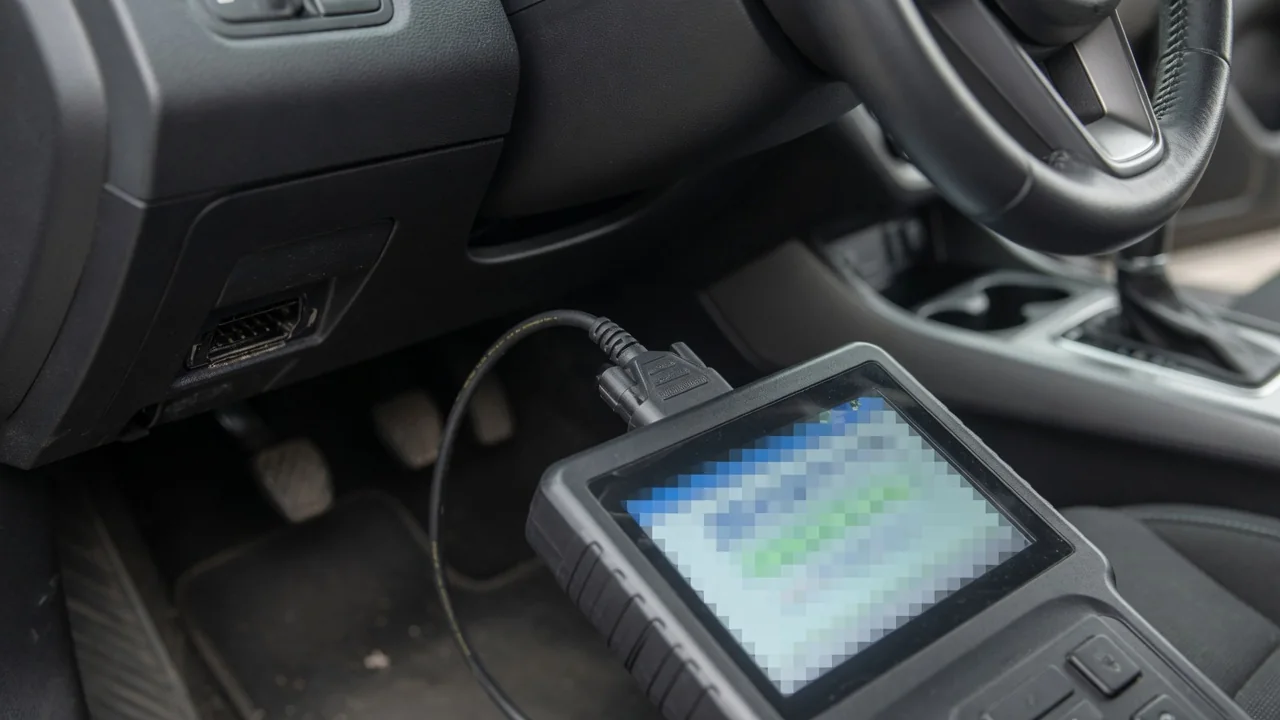
Seeing P1057, P1058, P1059, or P1060 on a scan tool can be confusing because these manufacturer-specific OBD-II codes do not have one universal definition. Unlike generic P0 codes, P1xxx codes are assigned by the vehicle maker, so the same number may describe completely different systems on different makes, models, or engines. Before you replace any part, confirm the exact meaning for your car using the VIN, engine details, and factory service information. The correct definition turns a vague code into a specific circuit or monitor to investigate.
Why P1057 Through P1060 Have No Single Universal Meaning
P1057 through P1060 fall into the P1xxx range, which automakers control for their own vehicles. That means a P1059 on one brand could refer to a fuel pressure sensor circuit, while on another it might point to a turbocharger bypass valve or an entirely different subsystem. Even within one manufacturer, different engine families can reuse the same code number for unrelated components. Therefore, a generic code-lookup list or a one-line internet definition is not reliable unless it specifically matches your car’s make, model, model year, and engine.
To confirm a definition, collect the full vehicle identification: year, make, model, engine size, and ideally the VIN. The VIN often encodes the engine and emissions package, which can change what a P1xxx code means. Reliable sources include the factory service manual, dealer service information, or a professional scan tool with manufacturer-specific software that displays the code description stored in the engine control module. Without this confirmation, any diagnostic path you take is just a guess.
P1059: Confirming the Definition Before Diagnosing
Before diagnosing P1059, you must match it to your exact vehicle. There is no safe universal meaning, and assuming one can lead you to test the wrong system. Record the full code context as soon as the check engine light appears: note the freeze frame data, which captures engine conditions like RPM, load, and temperature when the fault was stored. Also check whether P1059 is a pending code that has not yet fully failed or a confirmed code that has set the light, and list any other stored codes.
Often a manufacturer-specific code appears alongside generic P0xxx codes that describe the same system in broader terms. For example, if P1059 is accompanied by a P0171 lean code, the confirmed manufacturer definition may point to a particular sensor or circuit related to fueling. This combined information helps narrow the affected area. However, never replace a part based only on the code number. The code indicates which monitor failed, not which component is definitely bad.
P1057: What to Check Once the Manufacturer Meaning Is Known
Once you have confirmed the manufacturer’s definition for P1057, you can begin checking the system it names. The definition will direct you to a circuit, sensor, or monitor—for instance, an intake manifold runner control, a camshaft actuator, or a coolant pump circuit. This is not a statement that one part is faulty; it is the starting point for inspecting that specific area. Wiring, connectors, the component itself, or even a software calibration could all trigger the code.
Make safe, non-invasive observations that can help a technician later. Note any warning lights, drivability changes like rough idle or hesitation, and the conditions when the code sets: cold start, at highway speed, or after refueling. For P1057, a code that appears only when the engine is cold may suggest a different root cause than one that appears when hot. Because several possible causes exist—including damaged wiring, corroded connectors, a failing sensor, or an ECM update—only systematic testing can tell them apart.
P1058: Reading the Code in Context
P1058 must also be checked against your vehicle’s make and engine; do not assign it a universal definition. Once you know the definition, pay attention to whether the code is intermittent or constant. An intermittent code may be stored but not currently active, meaning the fault is not present at the moment. A constant code means the condition is currently being detected. This distinction changes how a technician approaches the diagnosis, because an intermittent problem often requires monitoring live data while driving.
Before clearing any code, record everything: the code number, freeze frame data, and readiness monitor status. Clearing P1058 erases the freeze frame and resets readiness monitors, which may require several drive cycles to complete again. If your area requires an emissions inspection, incomplete readiness monitors can cause a failure even if the check engine light is off. The readiness monitors show whether the vehicle’s self-tests have run, and a not-ready status after clearing means the system has not yet fully re-evaluated.
P1060: Symptoms, Safe Observations and Limits of Inference
As with the other codes, P1060 needs vehicle-specific confirmation before you interpret it or link it to symptoms. Without the manufacturer definition, you cannot know whether it relates to a fuel pump driver module, an intake air control, or something else entirely. Safe owner observations can still be useful. Watch for warning lamp behavior: does the check engine light stay on steady, or does a separate reduced-power light appear? Note any unusual noises or smells, changes in idle speed or power, and whether the car enters a limp or reduced-power mode that limits acceleration.
Symptoms alone cannot confirm a cause. A rough idle could be from a vacuum leak, bad spark plug, or a failing sensor unrelated to P1060. However, recording the symptoms alongside the code helps a technician form a hypothesis. Note the conditions when the code appears: ambient temperature, engine load, and driving pattern. A code that sets only during hard acceleration might point to a boost control issue, while one that appears after a cold soak could suggest a temperature-sensitive circuit. This contextual information is valuable.
A Safe General Diagnostic Approach for Manufacturer-Specific Codes
A safe general approach for any manufacturer-specific code starts with confirming the definition using reliable service information for your exact vehicle. Next, record the freeze frame data and any pending or confirmed codes. Look for related generic codes that might indicate a shared system. Then, consult published service information for diagnostic procedures specific to that code. This order prevents jumping to conclusions and ensures you have the data needed for accurate testing.
Owner-level checks should be limited to visual inspection with the engine off and cool. Without disconnecting anything, look for obviously loose or damaged connectors, chafed wiring, or cracked vacuum hoses near the system named in the confirmed definition. Do not unplug or take apart high-risk components, especially fuel or ignition systems. A basic code reader may show the P1xxx number but not the manufacturer-specific live data streams, bidirectional controls, or service procedures needed to diagnose it properly. Leave back-probing circuits, fuel system work, or bypassing components to those with training and proper equipment.
When to Get Professional Testing
If the check engine light is flashing, the vehicle has a noticeable loss of power, the engine overheats, or you smell fuel, stop driving and have the car inspected promptly. These symptoms indicate a condition that can damage the catalytic converter or create a safety hazard. For manufacturer-specific codes, professional diagnosis usually includes a factory-level scan tool that can access maker-specific data, perform circuit and component tests, and check for software updates that may resolve false codes or improve operation.
When you take the car to a technician, share the recorded codes, freeze frame data, and your symptom notes. This saves diagnostic time and helps the technician reproduce the fault. If a code returns after being cleared, it usually means the underlying problem was never fixed—clearing is not a repair. A recurring P1057, P1058, P1059, or P1060 points to an unresolved fault that needs proper testing with the right equipment, not another code reset.