P1053 Code: Manufacturer-Specific Meaning, Symptoms and Diagnosis
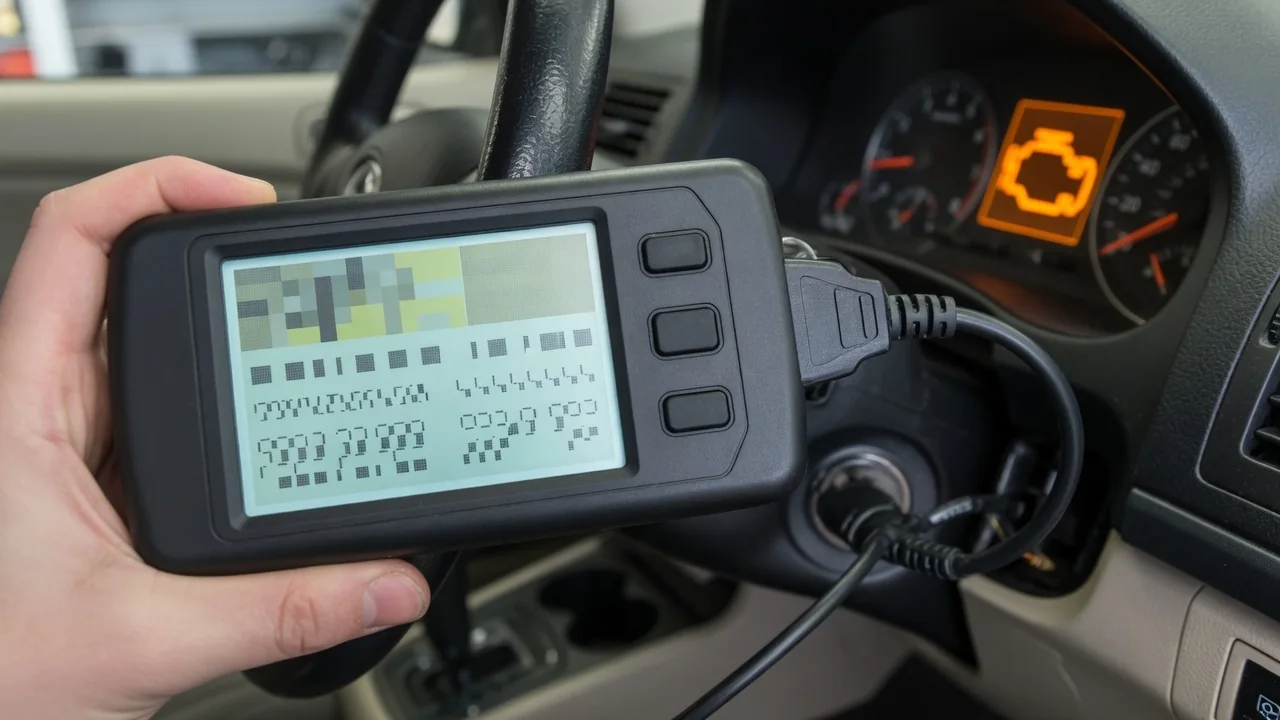
A P1053 code appears when the onboard diagnostics detect a fault that does not fit the universal P0xxx list. Because P1xxx codes are controlled by each automaker, this same number can mean very different things depending on the vehicle's make, model year, and engine. The check engine light may stay on or flash, and the freeze frame data holds important clues. Rather than guessing from a generic code reader, a driver should confirm the exact manufacturer-specific definition before deciding what to check or repair.
What P1053 Means and Why It Depends on the Manufacturer
The OBD-II system standardizes many fault codes, but it reserves the P1xxx range for manufacturer-controlled definitions. Unlike generic P0 codes, which follow an industry-wide list, a P1 code can point to a different circuit or subsystem on each brand. On one vehicle, P1053 might relate to a valve timing actuator; on another, it could refer to a fuel pump control circuit. Without the exact vehicle information, the code alone is not a diagnosis, merely a starting point for further investigation.
Even within the same make, different engine families or model years may apply distinct meanings to P1053. A code that indicates an exhaust camshaft position actuator on one powertrain could flag a turbocharger boost control or a coolant valve on a similar-looking model. This variability means that a one-size-fits-all explanation is not reliable. The powertrain control module stores the code based on its internal programming, and only the factory documentation for that specific application can clarify which monitored value fell outside the expected range.
How to Confirm the P1053 Definition for Your Exact Vehicle
To find the correct definition, a driver should supply the full 17-digit VIN along with the model year and engine code. The VIN encodes the plant, body, and powertrain details that define which diagnostic strategy the control module uses. A basic OBD-II scan tool may display 'manufacturer-specific code' or no text at all, while a professional scan tool with enhanced manufacturer software can retrieve the exact description and often link to related service procedures. Dealer service departments and well-equipped independent shops can also access this information.
Before clearing any code, note its status: pending, stored, or permanent. Pending codes indicate a fault seen on one trip but not yet confirmed; stored codes are historical; permanent codes cannot be cleared with a basic scanner and reset only after successful self-tests. Freeze frame data captures engine speed, coolant temperature, and other parameters when the fault set. Recording these values and any companion codes helps a technician spot patterns that might point to a wiring harness problem, a failing sensor, or an intermittent electrical connector issue.
Symptoms Drivers May Notice With a P1053 Code
The symptoms connected to a P1053 code are not fixed because the underlying system differs by vehicle. One driver may notice a rough idle and slight hesitation during acceleration; another may see only the check engine light. Some applications enter a reduced power mode when a critical circuit is flagged, limiting throttle response to protect the engine. The safest approach is to observe the vehicle under normal driving and note any change in smoothness, responsiveness, or transmission behavior, rather than expecting a universal symptom list.
Not every stored code produces a noticeable drivability change. A fault in a monitoring circuit for an emissions component, for example, may not affect performance immediately. When a change does appear, record the conditions: cold start, warm idle, steady cruise, or hard acceleration. Details such as a stumble only after the engine reaches operating temperature or a lack of power above a certain speed help a technician connect the code to a live data pattern. Keep a short log with date, outside temperature, and what the vehicle was doing when the symptom occurred.
Possible Cause Categories Once the Meaning Is Known
Once the exact factory definition is known, possible causes fall into broad categories: sensor or actuator faults, wiring and connector problems, circuit voltage issues, or control module concerns. A fault code does not prove that a specific part has failed; it identifies a condition the module detected, such as an implausible signal, a short to ground, or a rationality failure. For example, a P1053 related to a coolant control valve could stem from the valve itself, a broken wire in the harness, or poor terminal contact at the electrical connector.
Low battery voltage or a weak ground can sometimes generate false or intermittent codes in many electronic systems. Recent repair work may also disturb connectors or leave a ground strap loose. Before replacing any component, a technician should check power and ground feeds to the relevant circuit and inspect for chafed wiring or corrosion. Buying parts based on a code number alone often leads to wasted money and an unresolved check engine light, because the root cause may be a simple connection problem.
Safe Checks Owners Can Do Before Visiting a Shop
An owner can make a few safe visual checks before visiting a shop. With the engine off and completely cool, look for obviously damaged, loose, or corroded connectors and wiring in accessible areas. Check the battery terminals for tightness and corrosion, and ensure the battery voltage reads normally with a simple multimeter set to DC volts. Weak charging system output or a failing battery can confuse electronic diagnostics and set spurious codes, so confirming a healthy electrical baseline is a reasonable first step.
Avoid clearing the code just to see if it returns. Clearing erases the freeze frame data and any stored code history that a technician uses to trace an intermittent fault. While the code will return if the fault is still present, valuable information about the exact conditions at the moment of failure is lost. Live electrical testing, fuel system work, or disassembly should be left to a qualified technician. The owner's role is careful observation and documentation, not probing live circuits or removing components.
How a Technician Diagnoses and Repairs P1053
A professional diagnosis starts by confirming the manufacturer's definition for the exact vehicle. The technician then reviews freeze frame data and live sensor readings while the engine runs, following the factory diagnostic procedure for that code. This procedure often specifies measuring voltages, checking continuity, and testing components under specific conditions. The goal is to prove which part or circuit is out of specification before spending the customer's money. A technical service bulletin search is also part of thorough diagnosis, since some codes may be caused by known software issues or wiring chafing points.
The repair can range from cleaning a corroded terminal and repairing a chafed wire to replacing a failed sensor or updating the powertrain control module software. Only after the specific fault is reproduced or confirmed with measurements should a component be condemned. After the repair, the technician clears the code, performs a test drive that replicates the original conditions, and rescans to ensure the code does not return. A proper verification drive may include cold start, warm-up, and highway operation, depending on the code's set conditions.
Is It Safe to Drive With P1053, and When to Get Help
Whether it is safe to continue driving with a P1053 code depends entirely on the confirmed meaning and the symptoms present. If the vehicle drives normally and the check engine light is not flashing, a short trip to a repair facility is usually acceptable. However, a flashing check engine light indicates a misfire severe enough to damage the catalytic converter, and continuing to drive can be costly. If the vehicle enters a reduced power mode, makes unusual noises, emits a burning smell, or the temperature gauge rises, pull over safely and shut the engine off.
Ignoring a stored code can complicate later diagnosis because the original freeze frame data may be overwritten by newer faults. In areas with emissions inspections, any stored powertrain code will cause a failure, and the vehicle will not pass until the issue is repaired and the monitors complete. If the code returns after being cleared or the check engine light stays on for more than a few days, schedule a professional diagnosis. Prompt attention often prevents a small wiring or sensor issue from becoming a larger, more expensive repair.