P1052 Code: Meaning by Make, Symptoms, Causes and Diagnosis
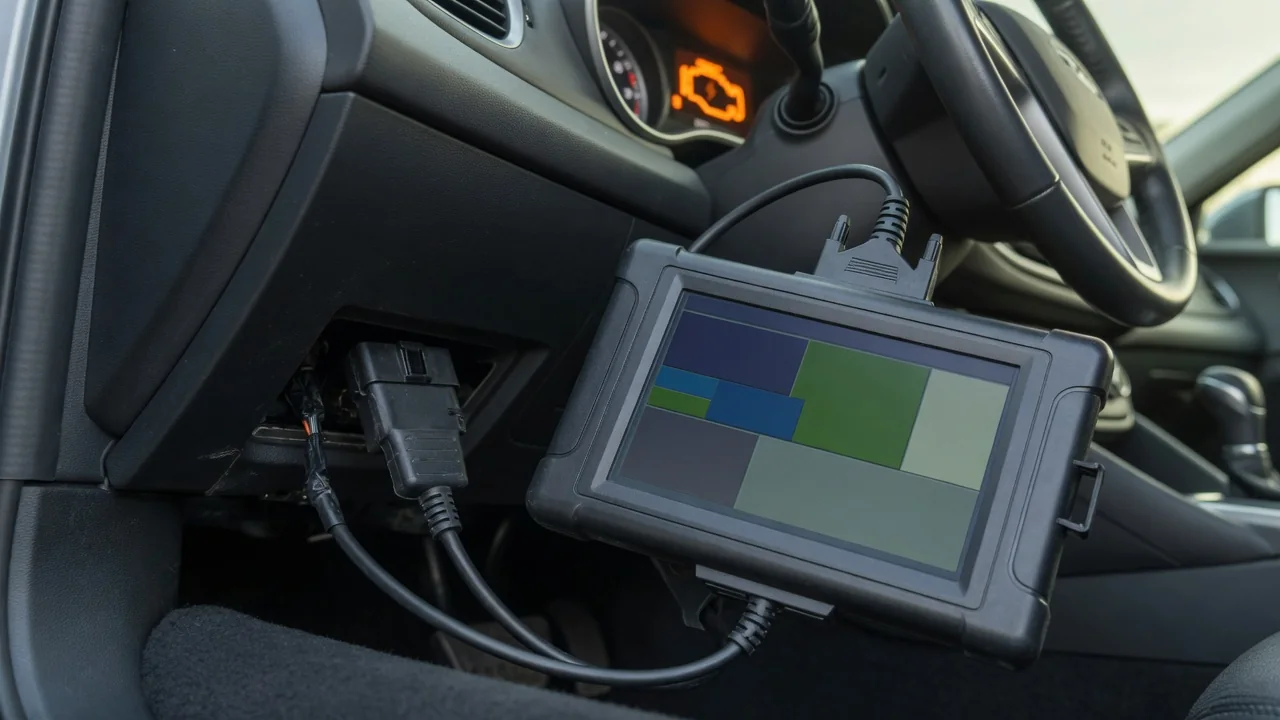
A P1052 code is an OBD-II diagnostic trouble code with no single universal definition. As a P1xxx code, it is manufacturer-specific, meaning the exact interpretation changes by make, model, year, and engine. The check engine light may appear with no obvious symptoms, yet the fault could be minor or serious. To interpret P1052 correctly, confirm the definition for your vehicle using factory service information, a dealer, or an enhanced scan tool. Freeze frame data and other stored codes often hold more useful clues than the code number alone.
What P1052 Means and Why the Definition Depends on Your Vehicle
P1052 belongs to the manufacturer-specific range of OBD-II codes, so each automaker can assign it a different meaning. One brand might use it for a variable valve timing actuator issue, while another could relate to a fuel pressure sensor or transmission control circuit. A definition found on a generic lookup site may not apply to your vehicle. Always verify the exact meaning for your make, model, year, and engine. A dealer, factory service manual, or professional-grade scan tool with enhanced manufacturer data provides the correct description.
The full code description shown by the scan tool matters more than the code number alone. Some tools display not only the code but also additional details such as the specific circuit, sensor, or actuator involved. Freeze frame data, which captures engine conditions at the moment the code was set, can reveal whether the fault occurred during warm-up, at idle, or under load. This information helps separate a real problem from an intermittent glitch. Relying on a conflicting or incorrect generic definition can send you down the wrong diagnostic path and waste time and money.
How to Read a P1052 Code Correctly Before Drawing Conclusions
A basic OBD-II reader usually displays only the code number, such as P1052, and perhaps a short generic phrase. An enhanced scan tool, on the other hand, can read manufacturer-specific code definitions, sub-codes, and live data. Before clearing anything, record the freeze frame data, the code status (pending, confirmed, or history), and any other stored codes. Pending codes indicate a fault that has not yet fully registered, while history codes show past events. This information is often lost when codes are erased, so write it down or take a photo.
Related codes stored at the same time often point to the real root cause. For instance, if P1052 appears alongside a circuit code for the same sensor or actuator, the issue may be a shared wiring harness connector or ground. Clearing the code without recording this data removes information a technician may need. It is also wise to note how many times the code has been set and the driving conditions when it occurred. This evidence helps a professional diagnose the issue more efficiently and avoid unnecessary part replacements.
Symptoms Drivers May Notice With P1052
Symptoms with manufacturer-specific engine or emissions codes can vary widely. Drivers may notice a check engine light, rough idle, hesitation, reduced power, or changed fuel economy. Because P1052 can be assigned to different systems, it may affect drivability on one vehicle but cause no noticeable change on another. If the vehicle runs normally except for the light, the fault may be minor or intermittent. However, you should not ignore the warning because it could indicate an emissions-related problem that may worsen over time or affect the vehicle's ability to pass an inspection.
A steady check engine light usually means the fault is not immediately damaging to the engine or catalytic converter, but it still requires attention. A flashing check engine light, however, indicates a severe misfire or condition that could damage the catalytic converter and should be addressed promptly by reducing driving and getting an inspection. Note when symptoms occur: cold start, idle, acceleration, or highway speed. This information can help a technician reproduce the fault and connect it to the specific system, especially when the code is intermittent or conditions are difficult to replicate.
Possible Causes and the Limits of Guessing From the Code Alone
Possible causes for a P1052 code depend entirely on the system the manufacturer has assigned to that code. Therefore, you must first confirm the verified definition for your vehicle before considering causes. In general, a manufacturer-specific code may point to a sensor or actuator fault, wiring or connector problems, or even a control module or software issue. Without the exact definition, any list of potential causes is just speculation. Applying causes from another make can lead to replacing the wrong part, which often wastes money and leaves the original fault in place.
Replacing parts based only on the code number is rarely effective. The code is a symptom, not a diagnosis. A technician should test the circuit, sensor, or actuator named in the verified definition. It is also worth checking whether the manufacturer has published technical service bulletins or software updates for that specific code. Some P1052 definitions may be associated with known issues that have a documented repair procedure or a control module reprogramming. These resources are available through dealer networks or professional repair databases, and they can save diagnostic time when used appropriately.
Safe Checks You Can Do Before Visiting a Shop
Before visiting a shop, you can perform a few safe visual checks with the engine off and fully cool. Look for obvious loose, damaged, or chafed connectors and wiring near the system named in the verified P1052 definition. A connector that has come loose or a wire that has rubbed against a sharp edge can cause an intermittent code. However, do not attempt electrical probing, component removal, or work on fuel, ignition, or high-voltage systems. These tasks carry risks and require specialized tools and training. Your role is to gather information, not to attempt repairs that could cause injury or additional damage.
Checking basics such as correct engine oil level and battery condition can be helpful. Some manufacturer-specific codes are affected by low oil level, which can prevent a variable valve timing actuator from functioning, or by a weak battery that causes voltage fluctuations and sets false codes. After noting any obvious issues, drive the vehicle through a normal drive cycle and record whether the code returns. Do not clear the code repeatedly, as this deletes the freeze frame data and readiness monitors. Instead, report your observations to a professional if the fault persists.
When Professional Diagnosis Is Needed and What to Expect
Confirming the underlying fault usually requires manufacturer test procedures, live data review, and circuit testing with proper equipment. A professional technician will connect an enhanced scan tool to monitor sensor readings, actuator commands, and engine parameters while the fault occurs. They may check wiring continuity, voltage, and ground integrity according to the factory diagnostic flow for the verified P1052 definition. Guessing at the cause without these steps can lead to unnecessary replacements. If the engine runs poorly, the light flashes, or drivability is affected, seek professional help promptly to avoid further damage or safety risks.
When you bring the vehicle to a shop, share everything you have recorded: the full code description, freeze frame data, other codes, and when the symptoms occur. This information helps the technician prioritize tests and reproduce the fault. Ask the shop to explain the confirmed cause before approving any parts replacement. A reputable shop will provide a clear explanation of which component or circuit is faulty and why. This transparency ensures you are not paying for a guess, and it also helps you understand what to expect from the repair.
Repair Outcomes and Confirming the Fix
The correct repair for a P1052 code depends entirely on the confirmed cause for your specific vehicle. It could range from repairing a damaged connector or wiring harness to replacing a sensor or actuator, or even updating the engine control module software. Because the code is manufacturer-specific, there is no one-size-fits-all fix. The technician should follow the factory service procedure for the verified definition and address any underlying issues, such as corrosion or damaged insulation, that could cause a repeat failure. Proper repair restores normal operation and turns off the check engine light.
After the repair, a technician confirms the fix by clearing codes, completing drive cycles, and checking that readiness monitors run successfully without the code returning. If the vehicle must pass an emissions inspection, unresolved codes or incomplete readiness monitors can cause a failure. Keeping repair records is a good practice in case the code comes back later. If the P1052 code reappears, the documentation can help the technician determine whether it is the same fault or a new issue, speeding up diagnosis and potentially reducing repair costs.