P1048 Code: Meaning by Manufacturer, Symptoms and Diagnosis
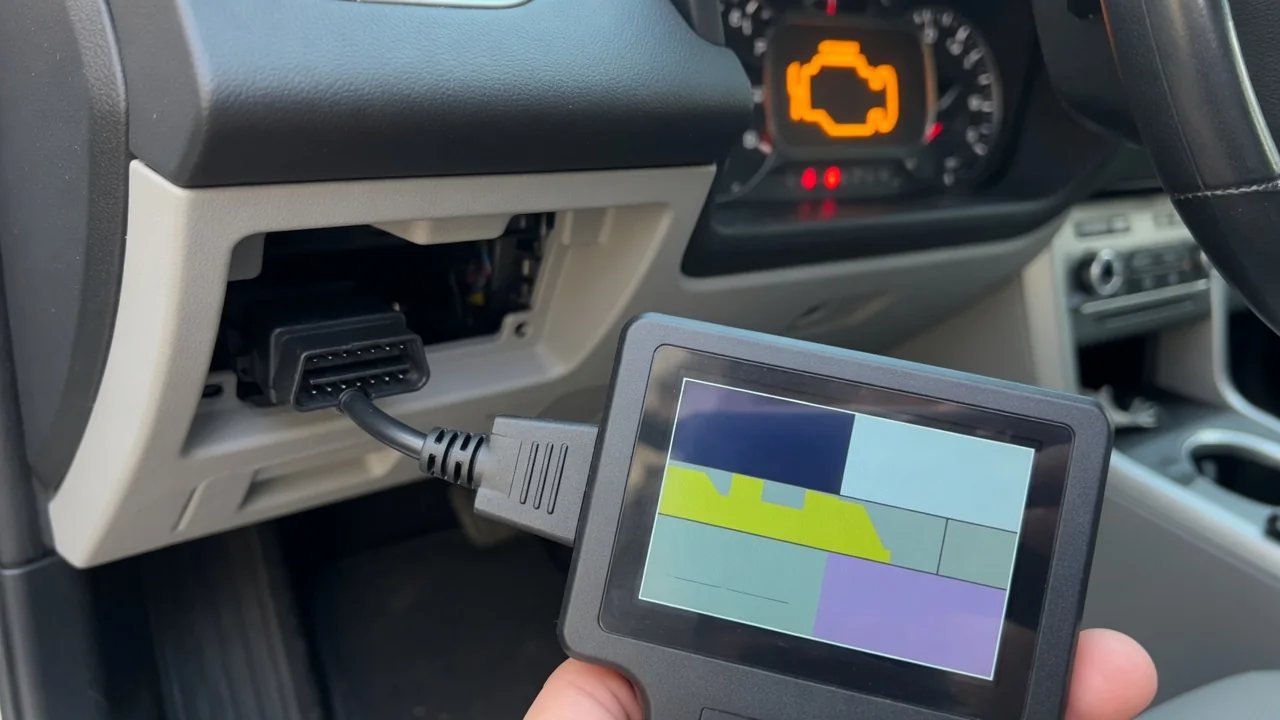
A P1048 code is a manufacturer-specific diagnostic trouble code. Unlike generic codes that share a common definition, P1048 can mean different things depending on the vehicle make, model, engine, and year. Before taking any action, you must confirm the exact description for your vehicle. Guessing from forums or another brand often leads to misdiagnosis. This guide explains how to identify the correct meaning, recognize possible symptoms, understand cause categories, and follow a logical diagnostic path while avoiding unnecessary repairs.
What a P1048 Code Is and Why Its Meaning Varies by Manufacturer
P1xxx codes are reserved for manufacturer-specific powertrain faults. The same P1048 number can point to completely different systems in different brands. One automaker might use it for a fuel pressure sensor correlation fault, while another might associate it with a variable valve timing actuator or a transmission fluid temperature circuit. Therefore, the code has no universal meaning and should never be interpreted from generic code lists alone.
A definition found on a forum or a scan tool configured for another manufacturer may be entirely wrong for your car. For example, a P1048 on a particular domestic model could involve an intake manifold runner control, while on an import it may relate to an exhaust camshaft position actuator. Always verify the exact code text for your VIN through a reliable source before attempting diagnosis or repair.
How to Confirm the Exact P1048 Definition for Your Vehicle
A basic OBD-II scanner may display only the code number and a short generic phrase, but an enhanced or factory-level scan tool can retrieve the manufacturer-specific definition. These professional tools show the system, sensor, or circuit associated with P1048 for that exact vehicle. Factory service information, dealer service departments, and reputable repair databases are your best resources to confirm the meaning by VIN.
Always record the complete code description, any companion codes, and the code status: pending, confirmed, or permanent. Save freeze frame data before clearing the code because it captures valuable operating conditions at the time of the fault. This data helps a technician identify whether the fault occurred during cold start, hot idle, or under load, which can narrow the diagnostic path significantly.
Symptoms Drivers May Notice With a Stored P1048
Symptoms vary widely because P1048 is assigned to different systems across manufacturers. Some drivers notice no change in vehicle behavior at all, while others may experience a check engine light, rough running, hesitation, reduced power, or unusual shifts. The absence of symptoms does not mean the code is unimportant; the fault may affect emissions or set the stage for future drivability problems.
If you do notice symptoms, make a mental note of when they occur: cold start, warm idle, acceleration, or steady cruising. Never attempt to document symptoms while driving; pull over safely if you need to record details. A flashing check engine light or serious drivability problems such as severe misfiring or loss of power demand immediate professional attention to prevent engine or catalytic converter damage.
Possible Cause Categories and the Limits of Guessing
Without a confirmed manufacturer definition, any list of possible causes is only a starting point. P1048 could relate to a sensor signal out of range, a wiring or connector fault, an actuator control failure, or a control module logic error. The same code number may point to different subsystems on different vehicles, so the cause categories are broad until the specific circuit is identified.
Replacing parts based only on the code number frequently wastes money because the actual fault may be a damaged wire, a loose connector, or a software calibration issue, not the component itself. Consider recent repairs, battery replacement, or other codes stored alongside P1048, because those events can create false or related faults. Always confirm the vehicle-specific definition before pursuing any cause hypothesis.
How a Technician Typically Diagnoses a P1048 Fault
A professional technician begins by confirming the exact definition of P1048 for that VIN, then reviews freeze frame data to understand the driving conditions that set the code. Next, they check for technical service bulletins that describe known issues and updated diagnostic procedures for that specific vehicle. Manufacturer diagnostic flowcharts are then followed step by step rather than relying on intuition or experience with other models.
An owner can safely inspect easy-to-reach connectors and wiring with the engine off, looking for obvious damage, looseness, or contamination, without disassembling anything. Electrical testing, live-data interpretation, and component testing require specialized tools and manufacturer procedures; these should be left to a qualified technician. For intermittent faults, a test drive with a data logger may be necessary to reproduce the exact conditions that triggered the code.
Repair Options, Clearing the Code and Confirming the Fix
The correct repair is not determined by the P1048 number alone; it depends entirely on the confirmed definition and the results of diagnostic tests. Once the root cause is found, the repair might involve cleaning a connector, repairing a wire, replacing a failed sensor, updating software, or addressing a mechanical issue. Clearing the code without fixing the underlying fault only hides the problem temporarily and resets readiness monitors.
After a repair, the code must stay cleared through the relevant drive cycles while the readiness monitors complete. If the code returns or the monitors cannot complete, the repair was incomplete or the diagnosis was wrong. Stop driving and seek professional help if you see a flashing warning light, reduced power, unusual smells, overheating, or additional warning lamps. Keep records of codes, freeze frame data, and all repairs for future reference and warranty discussions.