P1047 Code: Meaning by Make, Symptoms, Causes and Diagnosis
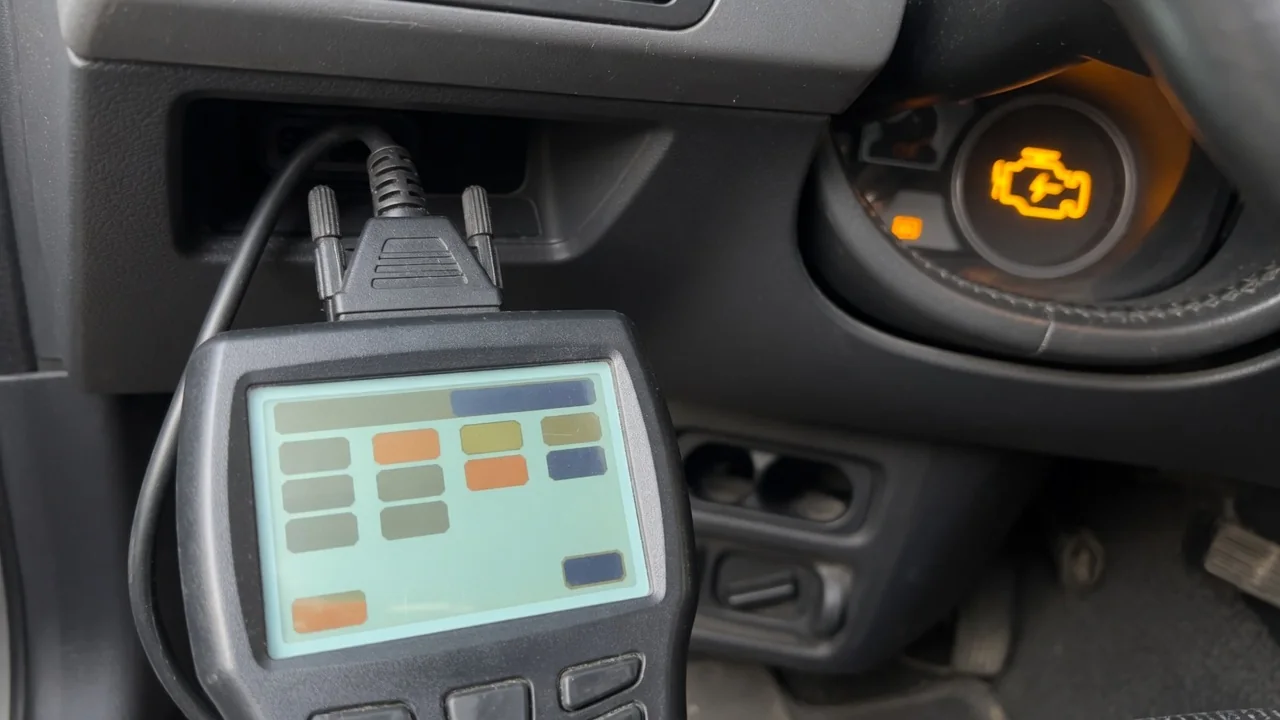
A P1047 code appearing on your scan tool can be confusing because it does not have one universal meaning. Since P1xxx codes are manufacturer-controlled, the same number may point to different systems depending on the vehicle make. Before reacting to the code, you need to confirm its exact definition for your specific model, year, and engine. Guessing or using a generic code list can lead to wasted repairs and unnecessary parts replacement.
What P1047 Means and Why the Definition Depends on the Manufacturer
Unlike P0xxx codes standardized by SAE, P1xxx codes are reserved for manufacturer-specific definitions. A P1047 diagnostic trouble code may indicate one fault on a Ford, a completely different issue on a Toyota, and nothing at all on other brands. There is no single universal explanation. The only way to interpret it correctly is to consult factory service information, a scan tool with enhanced manufacturer definitions, or a qualified shop that has access to the vehicle’s diagnostic data.
Generic internet code lists often mix definitions from different automakers, leading owners astray. For example, a definition found for a Chevrolet may not apply to a Honda, even if both list P1047. Before assuming a component is bad, verify the meaning for your exact make, model, year, and engine. A dealer or a well-equipped independent shop can provide the correct manufacturer-specific definition and the diagnostic tree that goes with it.
Reading P1047 Correctly: Freeze Frame, Status and Related Codes
Reading only the code number gives an incomplete picture. A scan tool should also report whether P1047 is current, pending, or history. A current code means the fault is active now; a pending code may be intermittent or awaiting confirmation; a history code was set previously but is not currently present. This status affects how urgently you should respond and whether the problem is ongoing.
Freeze frame data captured when the code set is crucial. It records engine temperature, RPM, speed, and load to show the operating conditions that triggered the fault. Other stored codes also matter because one failing circuit can set multiple codes. Review everything together before replacing any part. A code points to a circuit or condition the module flagged, not necessarily to a failed component, so clearing codes erases diagnostic evidence and should be avoided until all information is recorded.
Symptoms Drivers May Notice With P1047
Because P1047's meaning varies by manufacturer, symptoms also differ. Some vehicles may show only a steady check engine light with no noticeable change in how the car runs. Others might experience rough idle, reduced fuel economy, or a loss of power depending on what the code actually monitors. Pay attention to how the vehicle behaves when the light is on and whether any change happens consistently.
A flashing check engine light signals a potentially serious problem that could damage the catalytic converter, so reduce driving and get prompt inspection. Noticeable loss of power or stalling also calls for immediate attention. Note when symptoms occur: cold start, highway speed, after refueling. These details help a technician reproduce the fault and connect the code to the actual operating condition. Record the conditions along with the code and freeze frame data.
Possible Causes Once the Vehicle-Specific Definition Is Confirmed
Once the vehicle-specific definition is confirmed, possible causes can be narrowed to a sensible list. Manufacturer-specific codes often involve wiring or connector problems in a particular circuit, a sensor or actuator that is not responding correctly, or an internal control module issue. Without the correct definition, you cannot even begin to guess which system is involved, let alone which part might be faulty.
Some manufacturer-specific codes are triggered by low battery voltage or poor grounds. A weak battery can cause modules to report implausible signals and set spurious electrical codes. Before assuming a sensor is bad, basic electrical checks should be performed. Also, technical service bulletins or software updates may address the exact code on certain vehicles. Ask a dealer to check for applicable TSBs rather than assuming a hardware fault; many codes are solved with a reflash.
Safe Checks an Owner Can Make Before Visiting a Shop
Before visiting a shop, an owner can safely check a few things. Confirm whether the check engine light is steady or flashing, and write down all codes and freeze frame data from a scan tool that supports manufacturer-specific codes. Saving this report preserves crucial information in case the code clears itself. Also, with the engine off and cool, visually inspect easy-to-reach wiring and connectors for obvious looseness, damage, or corrosion, but do not disconnect or repair anything.
Do not attempt to work on fuel systems, high-voltage components, or probe live circuits; this can cause injury or further damage. Swapping parts based on the code alone is also risky because P1047 may not point to the part you think it does. A $100 sensor might be replaced when the real fault is a broken wire. Safe observation and data collection are the limits of DIY; leave component testing to a professional with the right tools and information.
How Professional Diagnosis of P1047 Works
A professional technician starts by confirming the exact manufacturer definition for the specific vehicle, then reviews freeze frame data and all related codes. Using factory diagnostic trees, the tech tests the involved circuit step by step. This may include checking wiring continuity, sensor signals with a lab scope, and module operation with a factory-compatible scan tool. Guessing is avoided because each test narrows the possibilities.
A thorough diagnosis also includes checking for applicable technical service bulletins and software updates. Sometimes the manufacturer has published a known fix for that exact code. Paying a diagnostic fee is usually cheaper than randomly replacing parts, and the technician's findings tell you exactly what is wrong. Ask the shop for the confirmed code definition, test results, and a clear explanation of why the recommended repair will resolve the issue.
Repair, Verification and Whether It Is Safe to Keep Driving
The correct repair depends on the confirmed cause, not the code number alone. After fixing the fault, a technician clears the code and completes a drive cycle to verify the monitor runs and the code does not return. If P1047 was caused by a loose connector, the fix might cost little; if a module needs replacement, it will be more involved. The verification step ensures the problem is truly resolved before the vehicle is released.
As for driving, if the check engine light is steady and the vehicle runs normally, you can usually continue driving with prompt inspection scheduled. But if the light flashes, the engine overheats, or there is a noticeable loss of power, stop driving and have the vehicle towed. In areas with emissions testing, an unresolved code will cause a failure, so address P1047 before the inspection. The fix should follow the technician's test results, not a guess from the code.