P1045 Code: Meaning by Make, Symptoms, Causes and Repair Approach
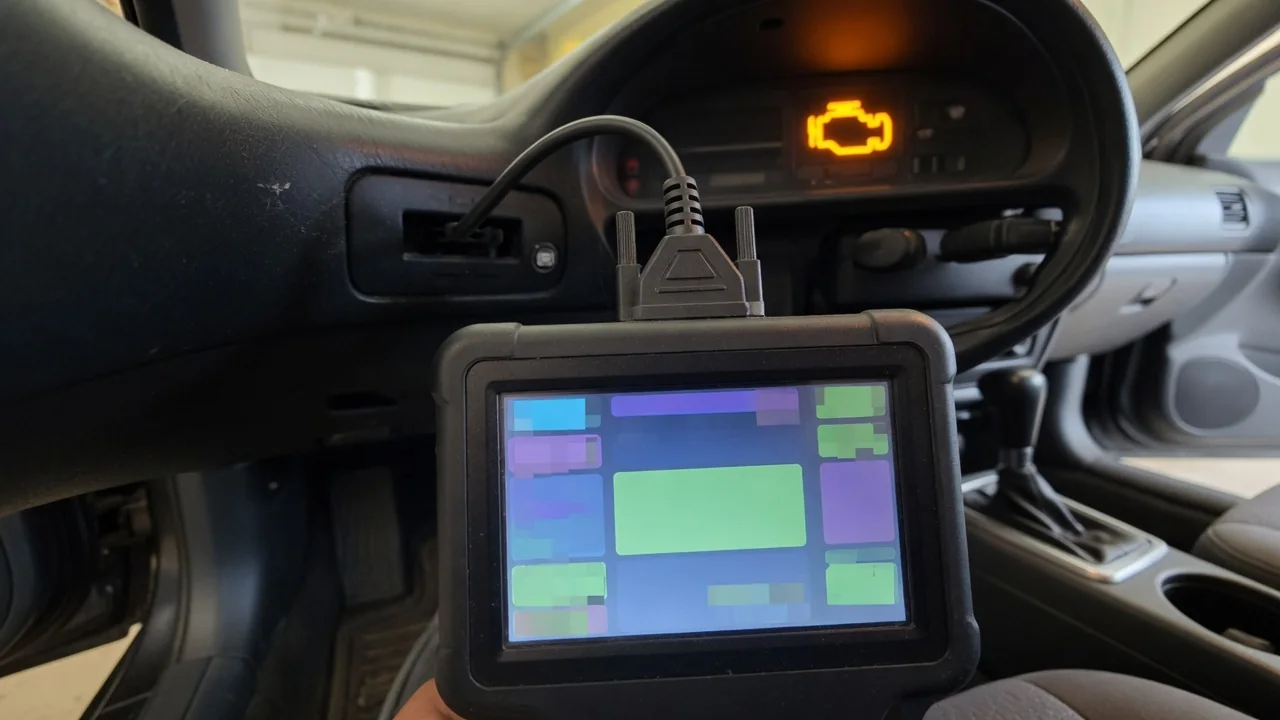
A P1045 code is a manufacturer-specific diagnostic trouble code, meaning its definition changes depending on the vehicle make and model. Unlike generic P0xxx codes, P1xxx codes are assigned by automakers to cover unique powertrain systems. Drivers seeing this code need the exact enhanced definition for their VIN before drawing conclusions.
What the P1045 Code Is and Why Its Meaning Depends on the Manufacturer
The P1045 code belongs to the P1xxx range, which automakers reserve for proprietary powertrain monitoring. There is no single meaning across brands; one manufacturer may use it for a fuel pressure sensor circuit, while another assigns it to a hybrid battery isolation fault. Applying a definition from a different make can send diagnosis in the wrong direction and waste repair money.
A generic OBD-II scan tool often shows only 'manufacturer controlled' or a blank description for P1045. Factory-level scan tools and dealer software translate the code into a specific subsystem and circuit. Even within one brand, engine, model year, and emissions package can alter the interpretation, so the code must be confirmed against the exact vehicle configuration before any parts are touched.
How to Find the Correct P1045 Definition for Your Vehicle
Before clearing a P1045 code, record every code present, the freeze frame data, and the status of each as stored, pending, or permanent. Freeze frame captures operating conditions at the moment the fault was detected, such as engine speed, coolant temperature, and fuel trim. That snapshot is often the fastest clue to whether the fault is electrical, mechanical, or software related.
A scan tool with enhanced manufacturer coverage will display the factory code definition and often link directly to diagnostic procedures. Basic readers cannot decode P1 codes reliably. The VIN is essential because mid-year production changes can shift code assignments. A dealer service department or subscription repair database can confirm the exact definition and check for related technical service bulletins.
Symptoms Drivers May Notice With a Stored P1045
Because P1045 is assigned to different systems on different vehicles, symptoms can range from none to severe. A driver may see only a steady check engine light, or the light may flash during misfire-like events. Idle quality may change, acceleration may feel hesitant, or the transmission may hold gears differently if the code relates to torque management.
Some stored codes produce no noticeable change in drivability, yet the condition that set the code may still be damaging emissions equipment or a catalyst. A flashing check engine light, strong fuel odor, overheating, or sudden power loss signals a more urgent fault. In those cases the vehicle should be shut off and towed rather than driven further, since continued operation can multiply repair costs.
Possible Cause Categories and the Limits of Guessing
Manufacturer-specific powertrain codes are typically triggered by a few broad fault categories: sensor or actuator circuit malfunctions, wiring and connector corrosion or damage, control module calibration or software errors, and unstable supply voltage. A P1045 code reports a detected condition, not a confirmed failed part. The actual defect may lie in a different component that shares the same circuit.
Other stored codes should be read alongside P1045. For example, a low-voltage code may indicate a weak battery or charging system that is also corrupting sensor readings and setting the manufacturer-specific code. Guessing at a sensor replacement without testing the circuit first often leaves the original wiring problem in place and the code returns after a few drive cycles.
Safe Checks You Can Do Before Visiting a Shop
With the engine off and cool, a careful visual inspection can reveal obvious problems that set P1045. Look for disconnected or partially seated connectors, damaged wire insulation, corrosion around sensor terminals, or evidence of rodent chewing. Pay attention to areas where wiring passes near hot or moving parts, since chafing can create intermittent shorts or opens.
Battery voltage is a common hidden factor. A weak battery, corroded terminals, or failing alternator can momentarily drop voltage to modules and sensors, causing erroneous codes. Note recent repairs, jump starts, or accessory installations, and share that history with a technician. Clearing the code without diagnosis erases freeze frame data and may prevent the vehicle from passing an emissions or readiness inspection.
When Professional Diagnosis Is Needed and What It Involves
Confirming a manufacturer-specific code like P1045 typically requires the factory service procedure, wiring diagrams, and bidirectional scan tool controls. A properly equipped technician will first verify the vehicle configuration and code definition, then monitor live data for the related sensor or actuator. Circuit tests using a digital multimeter and, where safe, an oscilloscope can isolate voltage drops or signal faults.
Software updates are increasingly relevant for P1 codes. A dealer can check whether the powertrain control module has a known calibration error fixed by a reflash. High-risk systems such as high-voltage hybrid batteries, fuel injectors under high pressure, or airbag circuits should not be probed by a DIYer. A reliable shop should explain the confirmed code meaning and show test results that justify any recommended repair.
Repair Outcomes, Driving Considerations and Next Steps
The correct repair for P1045 depends on the verified definition and diagnostic test results. It may be as simple as repairing a pin fit in a connector or replacing a chafed wire, or it may require a new sensor, actuator, or control module software update. There is no universal fix because the code does not point to the same component on every make and model.
Judging whether the car can be driven depends on observable symptoms and warning light behavior. If the check engine light is steady and drivability is normal, a short trip to a shop may be acceptable, but any misfire, overheating, or limp mode event should stop the trip. After repair, the code must not return during several drive cycles, and readiness monitors should complete to verify the fix.