P1044 Code: Meaning by Make, Symptoms, Causes and Diagnosis
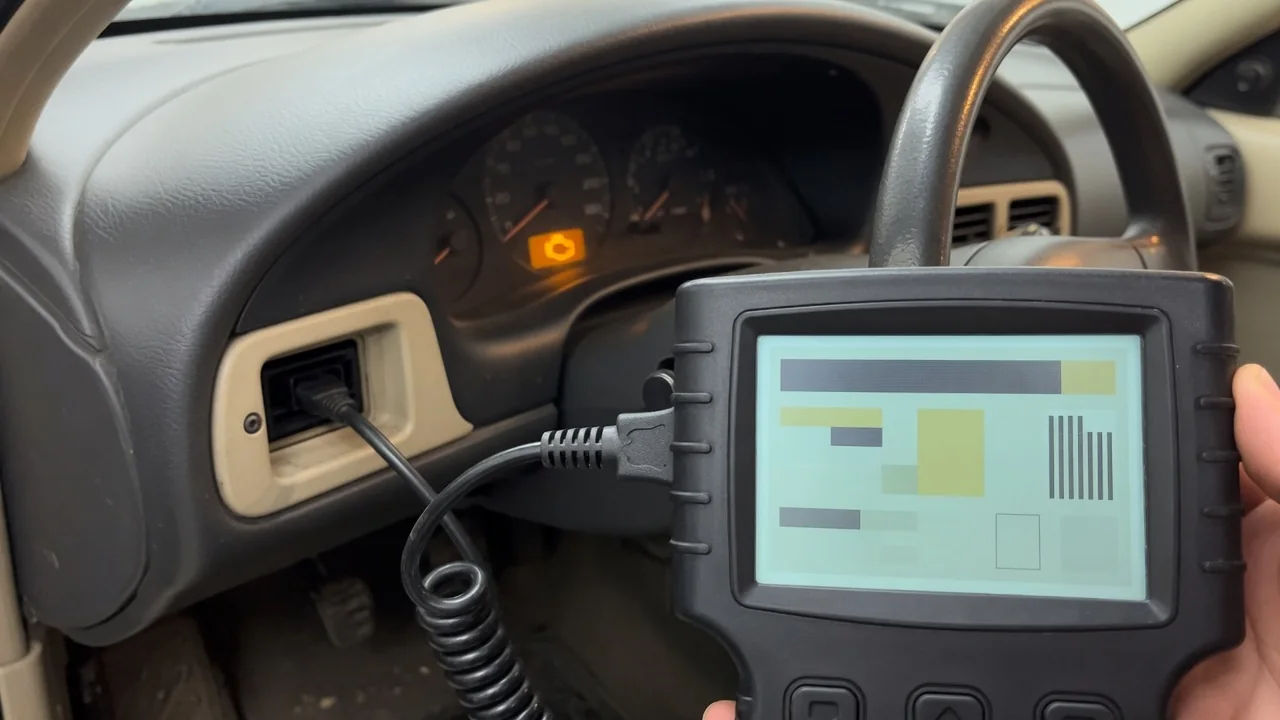
When the check engine light illuminates and a scan reveals P1044, the meaning is not universal. This is a manufacturer-specific trouble code, so the same number can point to different systems depending on the make, model, year and engine. Acting on a generic definition risks wasted repairs. The correct diagnostic path starts with confirming what P1044 means for your exact vehicle, then interpreting the symptoms, freeze frame data and related codes before deciding how urgent the problem may be.
What the P1044 Code Means and Why It Depends on Your Vehicle
P1044 belongs to the P1xxx range of OBD-II codes reserved for manufacturer-specific definitions. Unlike generic powertrain codes such as P0300, there is no single standardized meaning across all automakers. One brand may use it for a transmission pressure sensor circuit, another for an EVAP system fault or a variable valve timing condition. Only the vehicle manufacturer’s service information can provide the exact diagnostic trouble code definition for a particular engine control module calibration.
Because the code’s meaning varies, never act on a generic online list that assigns one explanation to every vehicle. Instead, confirm the definition through a scan tool with manufacturer-level coverage, factory service information, or a dealer or qualified independent shop with access to the vehicle-specific database. These sources can display the exact text the manufacturer programmed into the module, along with any special test procedures that do not apply to other makes.
How to Find the Right P1044 Definition for Your Make
Different manufacturers can assign P1044 to unrelated systems, so the same code on a Toyota and a BMW may require entirely different diagnostic steps. There is no verified make-by-make list that can be trusted without checking the exact model year and engine code. The vehicle identification number (VIN) is the key to narrowing down which engine family and calibration the vehicle has, and it lets dealer parts and service departments pull the correct definition.
A basic code reader often shows only the number or a vague phrase like “manufacturer control,” while an enhanced scan tool can display the full manufacturer text and sometimes the failure criteria. Before clearing any code, record the freeze frame data and any other stored codes. Freeze frame captures operating conditions at the moment the fault set, such as engine speed, coolant temperature and fuel trim, which often proves more useful than the code number alone.
Symptoms That Can Show Up With P1044
Symptoms with P1044 depend on what system the manufacturer tied to the code. Common observations include the check engine light staying on steadily, rough idle, hesitation, reduced fuel economy, or a message like “Reduced Engine Power.” However, a vehicle may also run perfectly normally with only the code stored, because some faults are intermittent or involve conditions that do not immediately affect drivability.
Recording when symptoms occur helps diagnosis. Note whether the problem appears on a cold start, only after warm-up, under heavy load, or at a steady highway speed. These details narrow the conditions under which the monitored fault occurs, but no symptom list by itself can confirm the cause. The same P1044 code may set from an electrical issue on one make and a mechanical vacuum leak on another.
Possible Causes and the Limits of Guessing From the Code
A trouble code such as P1044 identifies a circuit, a rationality check or a monitored value that fell outside expected limits. It does not prove that a particular sensor or actuator has failed. Wiring or connector problems are frequent causes—a pinched harness, corroded terminal or loose plug can create the same electrical signature as a bad component. Sensor drift, vacuum leaks, mechanical wear or even a software calibration issue may also trigger the code.
Replacing parts based only on the code number wastes money and often leaves the real fault in place. A low signal voltage fault, for example, can come from a failed sensor, a short to ground in the wiring, or a module pull-up resistor problem. Related codes stored with P1044 offer important clues. If several codes point to the same sensor or subsystem, the likely cause is a shared power supply, ground or communication issue rather than multiple failed parts.
Safe Checks You Can Do Before Visiting a Shop
Before visiting a shop, you can perform only safe visual checks. Look for obviously damaged wiring, connectors that are visibly loose or backed out, and signs of rodent chewing near the engine harness. Do not disconnect or probe any connector unless you have the correct service information and tools. Review recent repair history—a code that appeared right after a timing belt or intake manifold service may point to a forgotten connector or pinched wire.
You can also ask a dealer to run the VIN for open technical service bulletins or service campaigns. Not every code has a related bulletin, but checking costs little and may reveal a known software update or wiring repair. Clearing the code and watching whether it returns tells you only whether the fault is currently present and whether the monitor runs again; it does not confirm a repair. If P1044 returns quickly under the same conditions, the underlying issue remains.
How Professionals Diagnose and Repair P1044
A professional starts by confirming the exact manufacturer definition for the vehicle, then reviews the freeze frame data captured at the moment the code set. Factory diagnostic procedures for P1044 often include specific checks such as monitoring live sensor data, performing active tests with a scan tool, or verifying a circuit’s voltage and ground under load. Technicians may need manufacturer-specific software to command actuators or run automated tests.
Only after a confirmed diagnosis does a technician replace a part or repair a wiring issue. The final step is clearing the code, performing the drive cycle needed to run the emissions readiness monitors, and confirming the P1044 code does not return. Repair costs vary widely depending on the vehicle and the actual cause: a simple connector repair can be inexpensive, while a failed control module or internal mechanical problem is far more costly. No responsible shop quotes a price before diagnosing the specific fault.
Is It Safe to Drive With P1044, and When to Get Help Right Away
Whether it is safe to drive with P1044 depends entirely on what the code means for your vehicle and how the car behaves. If the engine runs normally and the check engine light is steady, a short trip to a shop may be acceptable. However, if the vehicle enters a reduced-power mode, shifts harshly, or shows any severe symptom, continuing to drive risks further damage or dangerous operating conditions.
Stop driving and get professional help immediately if the check engine light is flashing, the engine loses power, the temperature gauge rises, you smell fuel, or you hear unusual knocking or rattling. Even when the car seems to drive normally, ignoring a code that keeps coming back can leave an underlying fault to worsen. An unresolved P1044 may also prevent the emissions readiness monitors from completing, which can cause a failed inspection in areas that require OBD testing.