P1041 Code: What It Means on Your Vehicle, Causes and Fixes
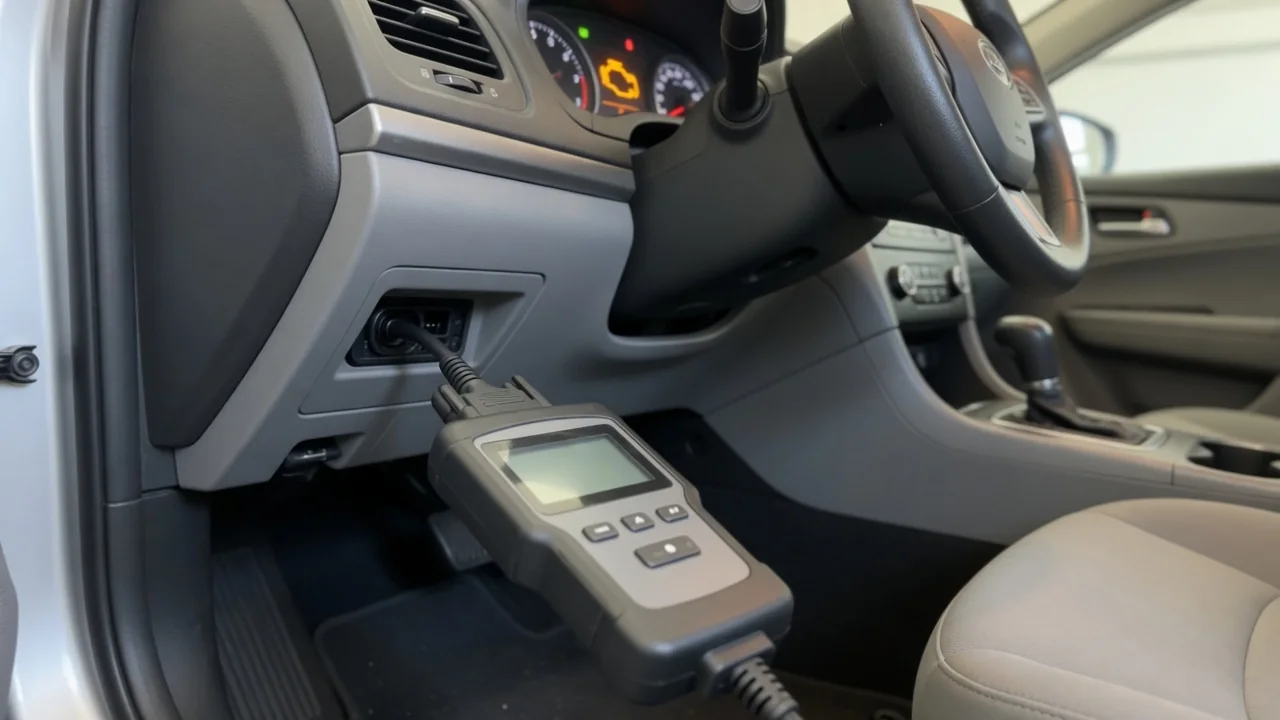
A P1041 code indicates a fault in a system monitored by your vehicle's engine control module, but its exact meaning is not universal. Because P1xxx codes are manufacturer-controlled, the definition can vary by make, model, year, and engine. Before spending time or money, confirm the specific trouble code definition for your vehicle through factory service information, a dealer, or a scan tool with manufacturer-enhanced descriptions.
What the P1041 Code Is and Why Its Meaning Depends on the Manufacturer
The P1041 code belongs to the P1xxx range, which each manufacturer can assign to its own unique faults. Unlike generic P0xxx codes, there is no single industry-wide definition, so a P1041 on one brand could refer to a fuel pressure sensor circuit, while on another it might indicate a transmission control issue. This variability means generic code lists and forum posts can lead you astray if you rely on a definition from a different vehicle.
For example, a driver might read that P1041 is a fuel pressure sensor problem and replace that part, only to find the light returns because on their vehicle the code actually points to a different system. To avoid wasted time and parts, confirm the intended meaning for your exact vehicle. Reliable sources include factory service information, the dealership, or a scan tool that can display the manufacturer-specific description for that code on your car.
How to Read P1041 Correctly With a Scan Tool
A basic OBD-II code reader may show only the code number and a generic label that says 'manufacturer control' or similar. A more advanced scan tool with enhanced data can display the actual text the manufacturer uses, such as a specific sensor circuit, actuator, or software condition. Knowing that description is the first step in understanding what to inspect. Before clearing the code, record the full definition along with freeze frame data, which captures sensor readings at the moment the fault was detected.
Clearing the code quickly may seem like a way to turn off the light, but it also erases the conditions needed to diagnose an intermittent fault. Pending and related codes stored at the same time are equally important, because they can reveal whether the issue is isolated or part of a larger circuit failure. Leave the code in memory until you or a technician have had a chance to use that information for diagnosis.
Symptoms Drivers May Notice With P1041
The most common symptom is an illuminated check engine light. A steady light generally means the fault is present but not likely to cause immediate harm, while a flashing light indicates a severe misfire or condition that could damage the catalytic converter. Other symptoms depend entirely on what P1041 represents on your vehicle. A code related to fuel delivery might produce rough running or reduced power, while a code for an emissions component could cause no perceptible change at all.
Many drivers notice no difference in operation when the code is stored. However, if the light flashes, the engine overheats, you smell burning, or power drops suddenly, stop driving as soon as it is safe. Continuing to operate the vehicle under those conditions can cause expensive damage. A steady light with normal performance may allow some time to schedule diagnosis, but the specific severity should be verified against your manufacturer's information.
Possible Causes Once the Vehicle-Specific Definition Is Known
Because P1041 is manufacturer-defined, the list of possible causes is not the same across all makes. Once you confirm the exact meaning, you can see whether the code refers to a sensor, an actuator, a control circuit, or a software function. Common categories include a sensor circuit that is open or reading out of range, a wiring or connector issue, a failed actuator or component such as a valve or motor, or a control module or calibration problem.
Wiring and connector problems are frequently the root cause of intermittent manufacturer-specific codes. Corrosion, loose terminals, or damaged insulation can produce an electrical condition that the control module flags before a component itself has failed. That is why technicians often inspect wiring before replacing expensive parts. If there are factory technical service bulletins for your vehicle, they may point to a known issue, but you should not assume one exists for every P1041.
Safe Checks You Can Do Before Visiting a Shop
Before taking the vehicle to a shop, you can perform basic visual checks with the engine off and cool. Look for obvious disconnected, damaged, or chewed wiring near the area suggested by your confirmed code definition. Rodent damage to harnesses is a common cause of open or shorted circuits, and a quick inspection might reveal the problem. Never remove or probe electrical connectors beyond a simple visual look unless you are trained.
Make notes about when the check engine light came on, the driving conditions at the time, and any recent repairs, battery replacement, or aftermarket parts installed. This information helps a technician reproduce the fault. Be aware that a visual check cannot confirm a failed component or an internal electrical fault. Do not probe airbag, high-voltage hybrid or EV circuits, or fuel system parts, and do not guess and replace components without a confirmed diagnosis.
How a Technician Diagnoses and Repairs P1041
A professional technician will begin by confirming the manufacturer-specific definition of P1041 using factory information. They then follow a diagnostic flow chart that often starts with checking the wiring and connector for the affected circuit, then moves to component testing and checking live data. Using a multimeter, oscilloscope, or scan tool bi-directional controls, they can verify whether a signal is within expected range or whether a circuit is open or shorted.
Once the faulty condition is identified, repair may involve fixing a wire, cleaning or replacing a connector, replacing a specific sensor or actuator, or updating software in a control module. After completing the repair, the technician clears the code and test-drives the vehicle while monitoring for the code to return. A proper verification ensures that the P1041 does not simply reappear after a short time, and that the original problem is resolved.
Is It Safe to Drive With P1041, and What Repairs Might Cost
The urgency of driving with P1041 depends on the confirmed meaning and any symptoms. If the manufacturer definition relates to a minor emissions control function and the vehicle runs normally, you may be able to drive to a shop for diagnosis. If the code points to a fuel delivery or engine control issue that causes rough running or the light flashes, continuing to drive could be unsafe. There is no universal answer for all vehicles.
An unresolved code may cause an emissions inspection failure, and because the check engine light is already on, you might miss a new, more serious fault. Repair cost is influenced by diagnostic time, part type, and labor access, so an accurate written diagnosis that names the confirmed definition is essential. Before authorizing any repair, ask for that diagnosis in writing, and have the technician explain what they found and why the specific repair is needed.