P1035 Code: Verify Its Meaning, Causes and Repair Path
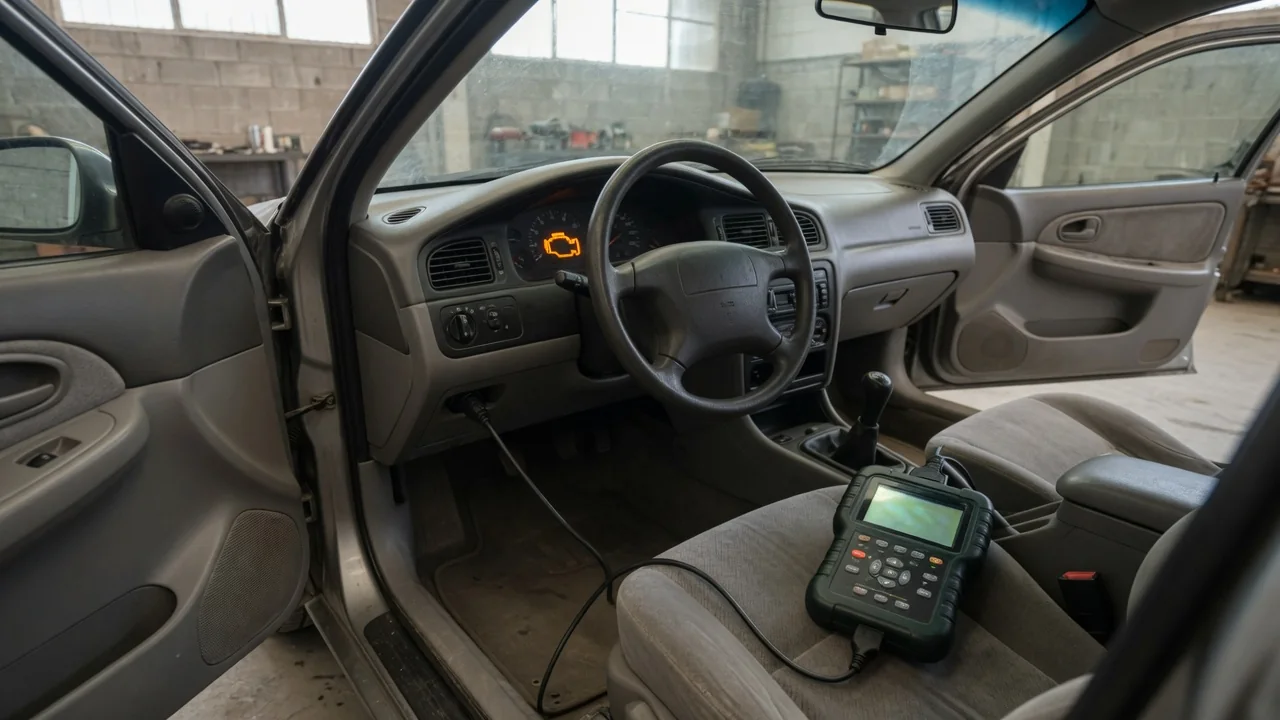
A stored P1035 code is a manufacturer-specific diagnostic trouble code, not a universal label that names a failed part. Its meaning depends on the vehicle's make, model, year, engine, and market, so the scan tool description must be confirmed against the correct application. Use the vehicle identification number and manufacturer diagnostic information before interpreting P1035 or planning repairs.
What P1035 Means for Your Make, Model and Engine
P1035 cannot identify a failed component on its own. Manufacturer-dependent meanings mean the same alphanumeric string can describe different monitored systems on different vehicles. Before interpreting the code, verify the definition for that make, model, year, engine, and market. A generic scanner may display a short label that does not match the manufacturer's wording, so treat the on-screen phrase as a starting point rather than a completed diagnosis.
Vehicle identification information and manufacturer diagnostic information establish which definition applies. The vehicle identification number, powertrain family, and market specification narrow the lookup so a technician is not applying the wrong service information. Make-specific meanings belong only to an explicit vehicle application; one confirmed definition for a particular engine should not be extended to every vehicle from that brand. Until that match is confirmed, P1035 remains a stored condition to investigate, not a named failed part.
Symptoms to Record and Signs That Require Stopping
Useful observations include whether the check engine light is steady or flashing, how the engine starts, idle quality, reduced power, unusual noises, and when the issue occurs, cold start, warm running, acceleration, or after a recent drive cycle. Symptoms depend on the verified fault definition, so the same P1035 code can produce different driver complaints on different applications. A stored code can also appear without noticeable drivability changes, which is why recording what you actually feel and see still matters.
Distinguish the code itself from urgent warning signs. A flashing check engine light, severe shaking, overheating, or stalling warrants stopping safely and arranging assistance rather than continuing a trip to see if it clears. P1035 alone does not declare the vehicle safe to drive; next steps should follow symptoms, dashboard warnings, and the vehicle's own guidance. If power is reduced or the engine will not hold idle, treat that behavior as the decision point, not the presence of the stored code.
Possible Causes Within the Verified Fault System
Potential causes belong to the confirmed vehicle-specific definition and the system it monitors. Once that definition is verified, diagnosis stays inside that circuit or function rather than jumping to unrelated sensors. Wiring, connectors, electrical supply, signal faults, or system operating conditions may warrant testing when the applicable diagnostic procedure identifies them. Those items are candidates because they can set a manufacturer-specific diagnostic trouble code when the control module sees a condition outside its expected range.
A named sensor or component in a code description does not prove that part has failed. The module may be reporting a signal, a supply, a plausibility check, or an operating condition that involves several parts. Companion fault codes and recent repair history help establish diagnostic priorities without proving causation. A related code stored at the same time, or work just completed on the same harness, can point to a shared connector or a disturbed circuit, but those clues still require confirmation on this vehicle.
Information You Can Safely Gather Before Service
While the vehicle is safely parked, record the exact P1035 code, the scan tool description, diagnostic trouble code status, and every companion fault code. Note whether the code is current, pending, stored, or confirmed, because status affects how a technician sequences tests. Save available freeze-frame data, including engine speed, load, coolant temperature, and related readings if the scanner shows them. Also note whether the fault followed a cold start, warm operation, or another repeatable condition so the operating window is not lost.
Document recent service, battery problems, and the timing of symptoms without treating any event as the confirmed cause. A jump start, a disconnected battery, or a recent connector repair can coincide with P1035 without explaining it. Preserve diagnostic evidence by avoiding code clearing or battery disconnection before assessment. Limit owner checks to safe observations such as warning lights, fluid levels visible without dismantling, and how the vehicle behaved on the last drive. Do not probe circuits or remove components to chase the code at home.
How Professional Testing Narrows Down P1035
Diagnosis starts with the correct manufacturer procedure and confirmation that the scan tool supports the vehicle's relevant systems. A tool that reads a generic P1035 label may still lack bidirectional tests, freeze-frame detail, or module coverage needed for that application. The technician then reviews code status, freeze-frame data, and live readings against vehicle-specific specifications rather than against a universal chart. Matching the recorded operating condition to the definition keeps testing inside the monitored system instead of substituting a popular part for an unconfirmed fault.
Professional inspection then follows the applicable path at a high level: visual condition of connectors and harnesses in the verified system, followed by circuit or functional testing only as that procedure specifies. Intermittent faults may require further observation because a passing snapshot does not disprove a condition that appears under load, heat, or a particular drive cycle. An inconclusive test does not justify replacing a component. Without a confirmed defect, parts swapping can erase evidence, add new faults, and still leave P1035 unexplained.
Repair Decisions and Checks That Confirm the Outcome
Repair options should follow proven findings, such as a confirmed connection defect, circuit fault, or component failure in the applicable system. The verified meaning of P1035 determines which of those findings is even relevant. Repair scope and cost then depend on testing results, access to the affected circuit or component, and local labor, not on the code number itself. Without quoting a price, it is still reasonable to expect that a connector repair and a buried module replacement are not the same job.
Repair verification uses the applicable diagnostic checks, a review of diagnostic trouble code status, and confirmation that the original symptoms have resolved. Clearing P1035 alone does not establish a successful repair; the monitor must be allowed to run under the conditions that originally set the fault. If P1035 returns, reassess the recorded freeze-frame data, companion fault codes, and test results rather than repeating the same replacement. A code that comes back is new evidence that the first conclusion was incomplete, not proof that the same part failed again.