P1034 Code: Manufacturer-Specific Meaning and Diagnosis
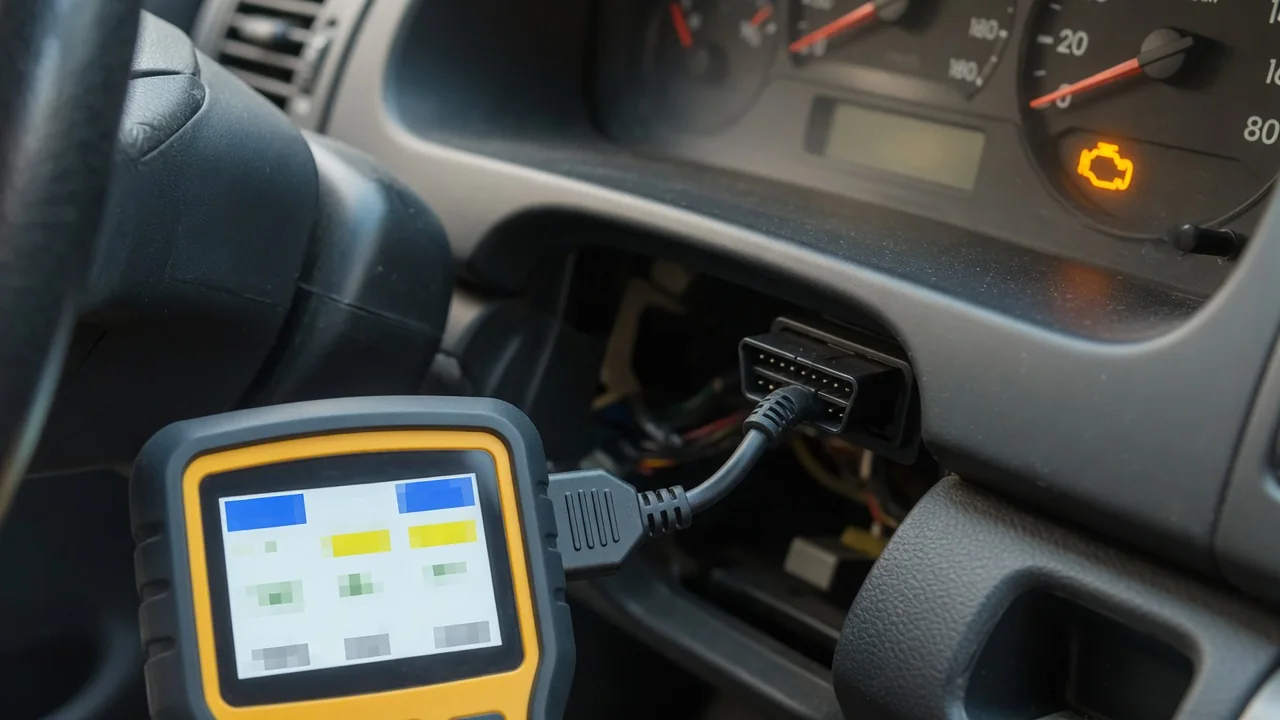
When a P1034 trouble code appears, it often leaves drivers confused because the definition differs depending on the vehicle manufacturer. A generic OBD-II scan tool may display a vague description, but without confirming the exact application for your make, model, year, and engine, any repair attempt is guesswork. This guide explains why P1034 is manufacturer-specific, how to confirm its meaning, what symptoms may accompany it, and which diagnostic steps are safe to perform before visiting a shop.
What P1034 Is and Why Its Meaning Changes by Manufacturer
All codes beginning with P1 are reserved for manufacturer-controlled definitions. Unlike standardized codes such as P0300 for a random misfire, P1034 does not have one universal meaning across all vehicles. One brand may use it for a variable valve timing solenoid circuit, while another may assign it to an evaporative emissions pressure sensor. Because the powertrain control module software differs, the same code can point to completely different systems, requiring a vehicle-specific lookup before any diagnosis.
A generic code reader often pulls only the code number and a generic, sometimes incorrect description. This happens because the tool lacks access to manufacturer-enhanced diagnostic codes. Relying on that vague text can lead a technician to check the wrong component. Even within one brand, engine families or model years may use P1034 differently. Applying a definition found for a different vehicle is risky and can waste time and parts, so never interpret the code without confirmation for your exact application.
How to Confirm the P1034 Definition for Your Specific Vehicle
Start by using a scan tool that supports manufacturer-specific enhanced codes. Many professional-grade tools and some advanced consumer scanners can display the exact definition from the vehicle's own control module. Record the freeze frame data at the same time: it captures engine temperature, RPM, load, and other conditions when the code set. This snapshot helps later even if the code is cleared. If your tool only shows a generic description, consult factory service information or ask a dealer to look up the code by the vehicle identification number and engine code.
Before researching, note the VIN, engine code, and all companion codes currently stored. Pending codes indicate a fault detected once but not yet confirmed; stored codes refer to faults that have set after a certain number of drive cycles. Permanent codes remain until the vehicle completes specific self-tests. Knowing the status matters because some emission inspections only fail for confirmed codes. Reporting the correct status and definition to a shop avoids misdiagnosis and helps the technician prioritize which circuit to test first.
Symptoms Drivers May Notice With a P1034 Code
The check engine light is the most consistent symptom of a P1034 code, but many vehicles show no noticeable change in drivability. Since the code may flag a minor circuit issue that does not affect performance, the light alone is often the only clue. However, if the fault affects a sensor the engine management system uses, you might notice changes in idle quality, throttle response, or fuel economy. Keep a brief log of when the light comes on, whether it flashes, and how the vehicle behaves, as this helps narrow down the system involved.
Because P1034 could point to different systems, no fixed symptom list applies. Record observations safely: rough idle, hesitation, stalling, or unusual warning lamp behavior such as a flashing check engine light. If the light flashes, it usually signals a severe misfire that could damage the catalytic converter, so reduce speed and seek help promptly. Any sudden change in handling, braking, or engine performance also warrants pulling over safely and having the vehicle towed if necessary.
Common Cause Categories to Consider Once the Definition Is Confirmed
Once the manufacturer definition is confirmed, common cause categories typically include wiring or connector faults, sensor or actuator circuit problems, and control module or software issues. Wiring problems can range from a chafed harness that shorts to ground to a loose connector that loses contact intermittently. Sensor and actuator faults might involve an open or shorted coil, failed electronics, or mechanical binding. Control module issues are less common but can include corrupted software or internal driver failure that only a dealer scan tool can isolate.
Never rely on a generic cause list from the internet; the specific components and circuits to check must come from the confirmed definition and factory diagnostic procedures. Related codes stored at the same time often point to the same area. For example, if P1034 appears with a specific oxygen sensor code, the harness between the two components may be suspect. Replacing a part based only on the code number without testing the circuit can waste money and may introduce new problems, so always verify with measurements before condemning a component.
Safe Checks You Can Do Before Visiting a Shop
Before visiting a shop, perform a visual inspection with the engine off and cool. Look for obviously damaged, loose, or chafed wiring and connectors in accessible areas around the engine bay. A harness that has rubbed against a bracket or a connector that is not fully seated can cause an intermittent P1034. Avoid touching hot or moving parts, and never probe electrical connectors with a test light or multimeter unless you have the wiring diagram and understand the circuit. A simple visual check can sometimes reveal an easy fix like a broken wire.
Record the freeze frame data and any other stored codes before clearing anything. Clearing the code and seeing whether it returns gives useful information, but it does not repair the fault, and it erases the snapshot that may be needed for diagnosis. If the code comes back quickly, the fault is likely active; if it takes days, it may be intermittent. Keep a log of driving conditions when the code reappears. Only clear codes if you understand that doing so may turn off the check engine light temporarily and delay proper repair.
Limits of DIY Diagnosis and When Professional Testing Is Needed
Circuit testing, component activation tests, and module checks usually require manufacturer-level tools and wiring diagrams. A digital multimeter with back-probing capabilities and a scope may be needed to measure sensor signals under load, but without the expected values from factory service information, these measurements can mislead. Some actuators cannot be safely commanded without a bidirectional scan tool. If the code returns repeatedly, drivability problems develop, or multiple related codes appear, the complexity suggests a professional with access to the proper equipment and service bulletins.
Before authorizing repairs, ask the shop to confirm the manufacturer definition for your VIN and show you the test results that justify each part replacement. Some faults have a known software update rather than a hardware fix, and a dealer can check if any technical service bulletin applies. While no specific bulletin can be assumed for P1034 without checking, asking about updates may save unnecessary parts replacement. If an emission test deadline is near, a professional can also determine whether the code qualifies for a waiver in your region.