P1030 Code: Manufacturer-Specific Meaning and Diagnosis
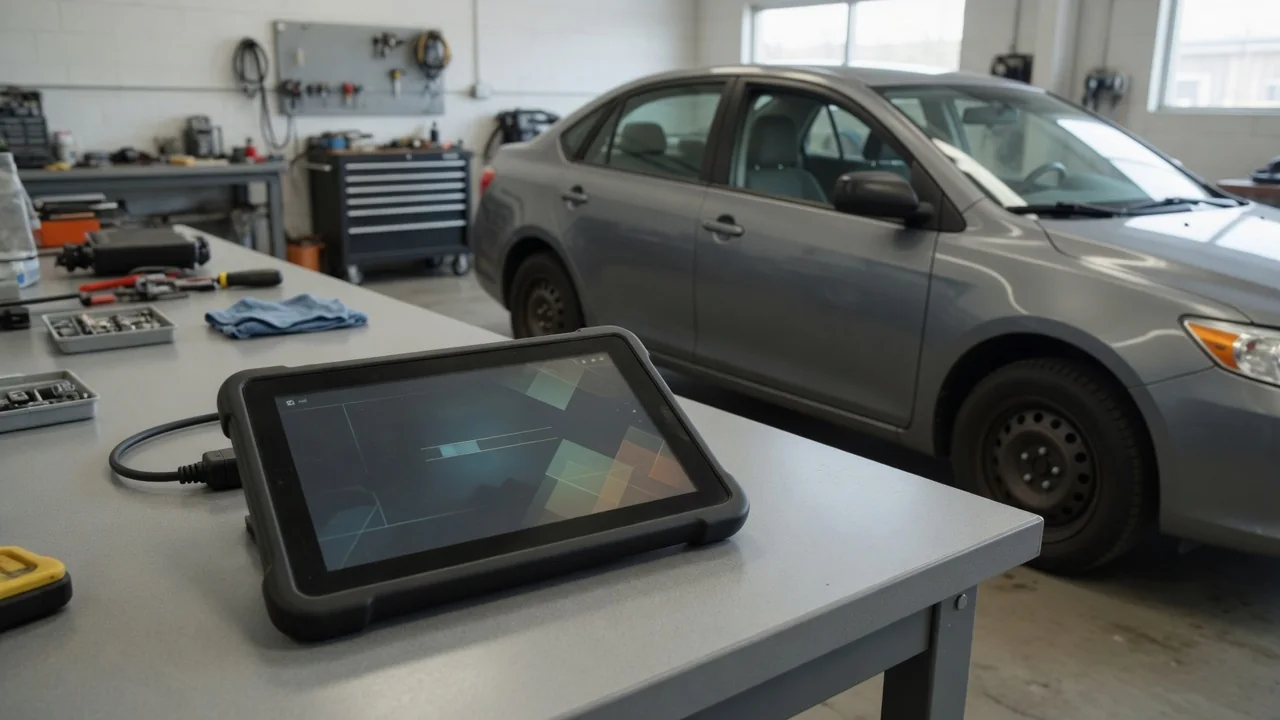
The P1030 code is a manufacturer-specific trouble code, so it does not share one meaning across every make and model. A diagnostic scan tool may still report P1030 and illuminate the check engine light, but the correct interpretation depends on the vehicle and its service information. Use this lookup as a starting point for meaning, symptoms, possible causes, and safe checks rather than as a parts list or a confirmation that any component has failed.
Verify What P1030 Means for Your Vehicle
P1030 is manufacturer-specific, which means there is no single definition that applies to every vehicle. Two cars can store the same P1030 code and still be describing different systems, modules, or operating conditions. Confirm the meaning using the make, model, model year, engine, and applicable vehicle-specific service information before you treat any scanner wording as fact. The vehicle identification number helps match the correct calibration and documentation so you are not diagnosing from a generic label that belongs to another platform.
A generic diagnostic scan tool often prints a short text description next to P1030, but that string may be incomplete, borrowed from another manufacturer, or simply missing. That readout should not stand in for the factory definition. The stored code is evidence that a control module saw a condition it was programmed to flag; it is not proof that a particular sensor, actuator, or mechanical part has failed. Interpretation comes after the vehicle-specific meaning is confirmed, not from the alphanumeric label alone.
Save the Scan Details Before Clearing Anything
Before anyone clears memory or disconnects the battery, record the complete P1030 code, the scanner description as shown, the reporting module, and the code status. Note whether it is current, stored, or a pending trouble code, because those states describe different levels of confirmation inside the module. Save freeze-frame data and every companion code on the same scan. Those snapshots capture engine speed, load, temperature, and other operating conditions at the moment the fault was set and give later testing a starting point.
Document whether the warning appeared at startup, while idling, or during an ordinary trip. Recreating the fault by driving in unsafe conditions or forcing a stall is not a useful owner step. Clearing codes, even after a battery disconnect, erases freeze-frame data and pending status that technicians use to decide which tests matter. An empty memory also does not confirm a repair; the check engine light can stay off until the same enabling conditions return, so the original evidence should stay on paper or in a saved scan file.
Document Symptoms and Recognize Urgent Warning Signs
Symptoms follow the verified definition of P1030, not a universal list. Some drivers notice only the check engine light, with no change in how the vehicle starts, idles, or pulls. Others may feel rough running, reduced power, difficult starting, or stalling, but those complaints are useful only when they actually occur and when they can be tied to the confirmed system. Write down what you felt, when it happened, and whether the light is steady, because that record helps a technician compare owner observations with freeze-frame data.
A flashing check engine light, severe shaking, overheating, or stalling is a reason to stop safely and seek assistance rather than to keep driving in hopes the warning will go out. Those urgent signs can appear with many faults, and the P1030 code by itself cannot establish whether continued driving is safe. Treat drivability changes and warning lamps as separate observations. If the vehicle feels unstable, smells of fuel or burning, or loses power in traffic, the priority is a safe stop, not further owner testing.
Identify Possible Causes From the Confirmed Definition
Every proposed cause has to come from the vehicle-specific definition and its diagnostic procedure, not from a generic P1030 parts catalog. Wiring faults, implausible sensor signals, actuator operation, or mechanical conditions may matter on one application and be unrelated on another. Until that definition is confirmed, those categories are only possibilities. Companion codes and recorded operating conditions can narrow which circuit or subsystem to inspect, but they do not prove that two flags share one failed part.
Label a component a common failure for P1030 only when that vehicle's service information supports the pattern. Replacing a sensor or actuator because the scan tool named it is not diagnosis. The module may have seen an out-of-range value, an incomplete response, or a condition that only appears under certain loads. Manufacturer-dependent codes require vehicle-specific confirmation, so testing should follow the published path for that make and year rather than a guess based on the alphanumeric identifier alone.
Make Safe Observations Without Disturbing Components
Owner checks should stay limited to recording diagnostic scan tool information and looking at accessible areas with the vehicle parked, the engine off, and components cool. Probing wiring, commanding actuators, or opening housings belongs with a technician. If the confirmed definition points to a particular connector or harness area that you can see without reaching near hot, moving, high-voltage, or pressurized parts, you can note an obviously disconnected plug or visible damage. Those notes belong with the saved scan, not as a substitute for circuit testing.
A connector that looks seated and a harness that looks intact cannot rule out an electrical, signal, or mechanical fault. Intermittent opens, corrosion inside a pin, a weak actuator, or a mechanical condition that only appears when the engine is running will not show on a parked visual check. Leave electrical probing, component activation, disassembly, and any work near hazardous systems to qualified technicians who have the vehicle-specific service information. The goal of owner observation is to preserve evidence, not to disturb the circuit that set P1030.
Know What Professional Diagnosis Should Establish
A useful handoff includes the make, model, year, engine, and vehicle identification number, plus the saved P1030 scan, freeze-frame data, companion codes, symptoms, recent service, and when the warning first appeared. That package lets a technician start from the same evidence instead of reproducing the fault blindly. Testing should follow the applicable manufacturer procedure and may require enhanced scan data, bidirectional controls, or targeted circuit and component checks that a basic code reader cannot perform. The procedure, not the code number, decides what to measure.
Parts and repairs should wait for a supported fault finding. A recommendation based only on the P1030 label is not complete diagnosis. After work is done, verification should include the relevant system checks from the service information and a follow-up scan under the conditions that originally set the code. An extinguished check engine light is not enough, because a pending trouble code can remain or return once the monitors run. Confirmation means the original condition is no longer present and related systems still operate as specified for that vehicle.