P1029 Code: Verify Its Meaning and Plan Safe Diagnosis
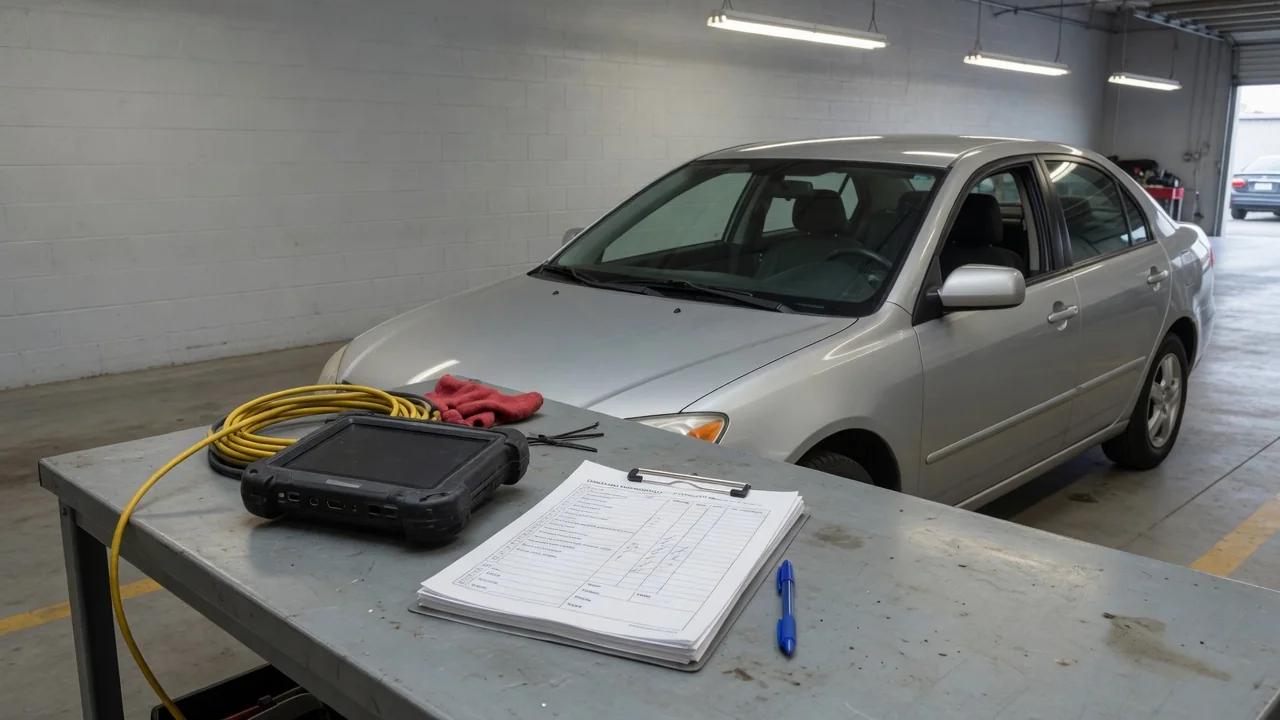
A P1029 code can appear on your scan tool, but its meaning is far from universal. This manufacturer-specific diagnostic trouble code varies by make, model, engine, and model year, so a generic definition may mislead you. Before reacting, record what the vehicle is telling you—from freeze-frame data to symptoms and the check engine light behavior. Understanding the code's confirmed meaning protects both your diagnosis and your next steps.
Verify What P1029 Means for Your Vehicle
P1029 is not a powertrain code with one fixed explanation. Because it sits in a manufacturer-controlled range, its meaning depends on the exact vehicle. Two different vehicles can log the same code yet monitor unrelated systems. Before assuming a component or sensor is at fault, confirm the definition using the vehicle identification number, model year, engine type, and applicable factory service information. Even a scan tool’s on-screen description may be generic or an incomplete translation of the manufacturer’s original fault text.
A generic scan tool often retrieves the code and a terse label, but that label may not reflect the specific diagnostic logic for your application. Some platforms reuse the same code number across model lines with different thresholds or monitored parameters. Factory service information ties the code to a precise diagnostic monitor, enabling correct interpretation. Without that verified definition, any symptom connection or cause list remains speculative. Treat the code as a pointer to a diagnostic path, not a conclusion about a failed part.
Record the Scan Details Before Clearing Anything
Before clearing any diagnostic trouble code, save everything the scan tool can display. Write down the exact code, the full on-screen description, and which control module reported it if available. Note whether the code indicates a current fault, a pending code, or a history entry. Record any other codes present—related faults can share a trigger or point to a power or ground concern. Freeze-frame data is especially valuable: it captures engine speed, temperature, load, and other values from the moment the fault set.
Clearing codes may seem like a fast way to turn off the check engine light, but it erases the stored evidence a technician needs. A code that appears after a battery disconnect, recent repair, or aftermarket installation may have a simpler explanation, yet timing alone does not prove cause. A cleared code also resets monitors, which can hide an intermittent problem until it recurs under similar conditions. Keep the recorded scan data and avoid clearing until a diagnostic plan is in place.
Document Symptoms and Decide Whether to Keep Driving
How a vehicle behaves with a P1029 code depends on the verified system involved. Some drivers may notice no change at all beyond the warning lamp; others could encounter rough idle, hesitation, hard starting, or reduced power. Because these effects are not universal for this code, observe your vehicle without assigning symptoms to P1029 prematurely. Note exactly when any change occurs—cold start, warm idle, under acceleration, or at highway speed—and whether it is consistent or intermittent.
The code alone cannot confirm whether continued driving is safe. A vehicle that starts, idles, and accelerates normally may be fine for a short trip home or to a shop, but that decision depends on the confirmed fault condition. Stop safely and seek assistance if you experience severe shaking, stalling, overheating, smoke, a flashing check engine light, or substantial power loss. These are not ordinary code symptoms; they indicate an immediate operational risk that outweighs any attempt to diagnose while driving.
Connect Possible Causes to the Confirmed Definition
A diagnostic trouble code indicates that a monitored condition fell outside expected parameters; it does not name a broken part. The P1029 definition for your vehicle identifies which system or circuit the engine control module is testing, but the root cause may be a wiring issue, loose connector, failing sensor, low system voltage, or even an intermittent communication problem. Jumping to replace a component based on the code alone often misses the real fault and wastes time.
A technician will use the confirmed definition to choose targeted tests. Related codes can narrow the search—if several circuits share a power feed or ground point, a common connection may be suspect. Freeze-frame data shows operating conditions at the moment of the fault, which helps reproduce the issue or rule out environmental triggers. Only a vehicle-specific diagnostic procedure can determine whether the concern lies in a sensor, actuator, mechanical operation, or wiring. Universal cause lists are not reliable for manufacturer-specific codes like P1029.
Limit Owner Checks to Safe Observations
Owner-level checks should start with the owner’s manual, which explains warning-light behavior and basic cautions for your model. With the vehicle parked on level ground, engine off, and allowed to cool, visually inspect readily accessible areas. Look for obvious damage such as cracked hoses, loose or disconnected electrical connectors, chafed wiring, or fluid leaks near the suspected area if the verified definition makes that area accessible. Do not reach into hot, moving, or pressurized areas, and never touch high-voltage components.
Visible damage can be a useful clue—a loose connector or rodent-chewed wire may explain the code. However, a clean visual inspection cannot rule out a fault. Intermittent issues, internal sensor drift, or poor terminal contact often leave no outward sign. Electrical probing, actuating components, disconnecting parts, or any disassembly goes beyond safe observation and can introduce new problems or create safety hazards. Leave those tasks to a qualified technician with the correct service information and tools.
Know What Professional Diagnosis and Repair Verification Involve
Professional diagnosis is the right next step when the code definition remains uncertain, the code returns after clearing, driveability changes, or the required tests exceed safe owner observation. A technician begins with the vehicle identification number and your recorded scan details. They access factory service information for the exact application, then use a capable scan tool to view live module data, onboard test results, and stored freeze-frame information. This allows them to reproduce the fault condition under controlled circumstances.
When handing off the vehicle, provide a concise summary: vehicle year, make, model, and engine; the exact P1029 code and any other codes; freeze-frame or symptom notes; and any recent repairs, battery service, or modifications. Verification after repair is not simply seeing the warning light go out. The technician should confirm the original fault condition no longer sets during the same monitor cycle or driving pattern, and that related systems operate correctly. A light that remains off is a start, not proof.