P1025 Code: What It Means on Your Vehicle and How to Diagnose It
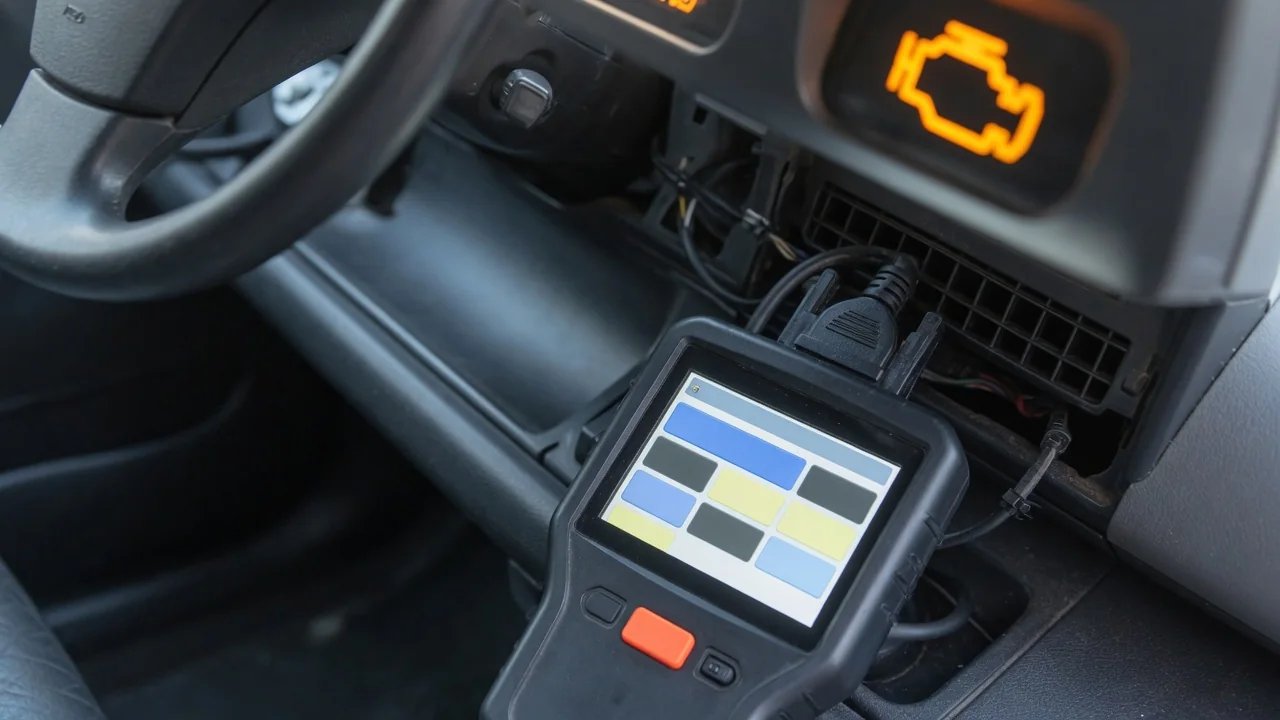
A P1025 code on your vehicle is not a one-size-fits-all fault. Because it is a manufacturer-specific trouble code, its meaning changes depending on the make, model, engine, and year. The check engine light may come on with no other symptom, or drivability could suffer. Before you buy parts or clear the code, confirm the exact definition for your powertrain control module using vehicle-specific service information. Reading freeze frame data and any related pending or stored codes helps show the conditions when the fault appeared.
What P1025 Means: A Manufacturer-Specific Code Without One Universal Definition
When a scanner shows P1025, the P prefix means the fault is in the powertrain, and the 1 in the second position tells you the code is controlled by the vehicle manufacturer rather than by a generic SAE standard. Unlike P0xxx codes, which share the same meaning on most cars, P1xxx codes can describe a different circuit or system on every automaker’s lineup. A generic one-line definition for P1025 should not be trusted. The code is only a starting point for diagnosis, not a final answer.
Think of P1025 as a label the engine computer attaches to an observed problem in a circuit or system it monitors. The powertrain control module sets the code when a voltage, resistance, or signal falls outside the expected range for that exact application. However, a diagnostic trouble code is evidence that a condition exists, not proof that a particular sensor, actuator, or module has failed. Wiring problems, connector corrosion, or even a software bug can trigger the same code. Only vehicle-specific service information can explain what function the manufacturer linked to P1025.
How to Confirm the P1025 Definition for Your Exact Vehicle
Begin by using an OBD-II scanner to read all stored diagnostic trouble codes, not just P1025. Note whether the code is pending, stored, or permanent, because that status changes how the computer has reacted. A basic generic scanner may simply show the number and the text “manufacturer-specific,” while an enhanced scan tool or make-specific software can display the automaker’s own description. That extra detail can mean the difference between chasing the wrong part and understanding the actual subsystem involved.
Because the definition of P1025 varies widely, the most reliable confirmation comes from vehicle-specific service information matched to your VIN, engine, and model year. A dealer service department or qualified independent shop with access to that data can tell you exactly what the code means for your car. Before visiting, save any freeze frame data from the scanner. This snapshot shows engine temperature, speed, load, and other parameters at the instant the code was set. Do not buy any parts until the true meaning of P1025 has been confirmed for your exact vehicle.
Symptoms Drivers May Notice With a Stored P1025 Code
There is no fixed symptom list for P1025 because the meaning changes from one manufacturer to another. On some vehicles the code may involve a component that affects fuel delivery or ignition timing, while on others it may monitor a system that has no immediate effect on drivability. The result could be a check engine light alone, reduced power, or a limp mode. The vehicle might also run normally. Note any change in fuel economy, rough running, or hesitation, but do not assume a specific cause until the definition is known.
Pay attention to when symptoms appear: cold start, highway speed, under load, or only after the engine is warm. Write down those details because they help a technician narrow the diagnosis. Hesitation, stalling, or a drop in performance are worth recording, even if they seem minor. Some vehicles may store the code and still drive perfectly well, making the freeze frame data even more valuable for later investigation. Emissions readiness monitors may be reset or incomplete while the code is active, so avoid clearing it unless necessary.
Possible Cause Categories and Why They Depend on the Confirmed Definition
Once the vehicle-specific definition is confirmed, the likely cause falls into broad categories. Many such codes are set by sensor or actuator faults, where the component’s signal is out of range or fails a rationality check. Another common cause is the wiring harness and connectors between the control module and the component. A broken wire, a loose terminal, or corrosion in a connector can create the same electrical symptom as a failed component, even when the component itself works correctly.
Low battery voltage or recent electrical work can also produce misleading codes. If the battery was disconnected, a fuse was pulled, or an aftermarket accessory was installed, the power supply to a monitored circuit may have been interrupted long enough for the module to flag a fault. A software issue inside the powertrain control module can set a code with no physical failure at all. The real cause can only be narrowed down after the vehicle-specific definition and all related codes are known, not by guessing.
Safe Checks You Can Do Before Booking a Diagnosis
A few safe checks can be done before booking a professional diagnosis. With the engine off, key removed, and engine cool, visually inspect easy-to-reach wiring and connectors for obvious damage. Look for disconnected plugs, chafed insulation, or green corrosion on terminals. Do not reach into hot or moving areas, and do not remove covers that require tools. These observations can sometimes reveal a simple cause, such as a connector bumped during recent service. Record anything unusual and where you found it.
Check the battery condition and note whether the charging warning light has been on. A weak or failing battery can cause voltage fluctuations that confuse the engine computer. Also write down any recent repairs, accessory installations, or battery replacements, because these events are often linked to new fault codes. Do not clear the code just to see if it returns, because clearing erases freeze frame data and resets emissions readiness monitors. Instead, drive normally and see if the code comes back, noting how quickly and under what conditions.
When P1025 Needs Professional Testing
Confirming a manufacturer-specific code often needs service information, enhanced scan data, and circuit tests that go beyond a handheld scanner. A trained technician can compare live data values with the expected range for your exact model, check for technical service bulletins or software updates, and perform guided component tests. When you take the vehicle in, ask the shop to explain the confirmed definition of P1025 for your VIN and to show the test results that support their recommended repair. A credible diagnosis should be based on measurements, not guesswork.
Some symptoms demand immediate professional attention instead of continued driving. A flashing check engine light, strong loss of power, stalling, overheating, fuel smell, or any unusual noise are warning signs that the vehicle should be inspected without delay. These conditions may be related to the P1025 code or to a separate fault that appeared at the same time. The technician should also check with the dealer whether any software updates or manufacturer service bulletins apply to your vehicle, because a known calibration issue can sometimes cause a code without any component failure.