P1021 Code: Manufacturer-Specific Meaning and Diagnosis
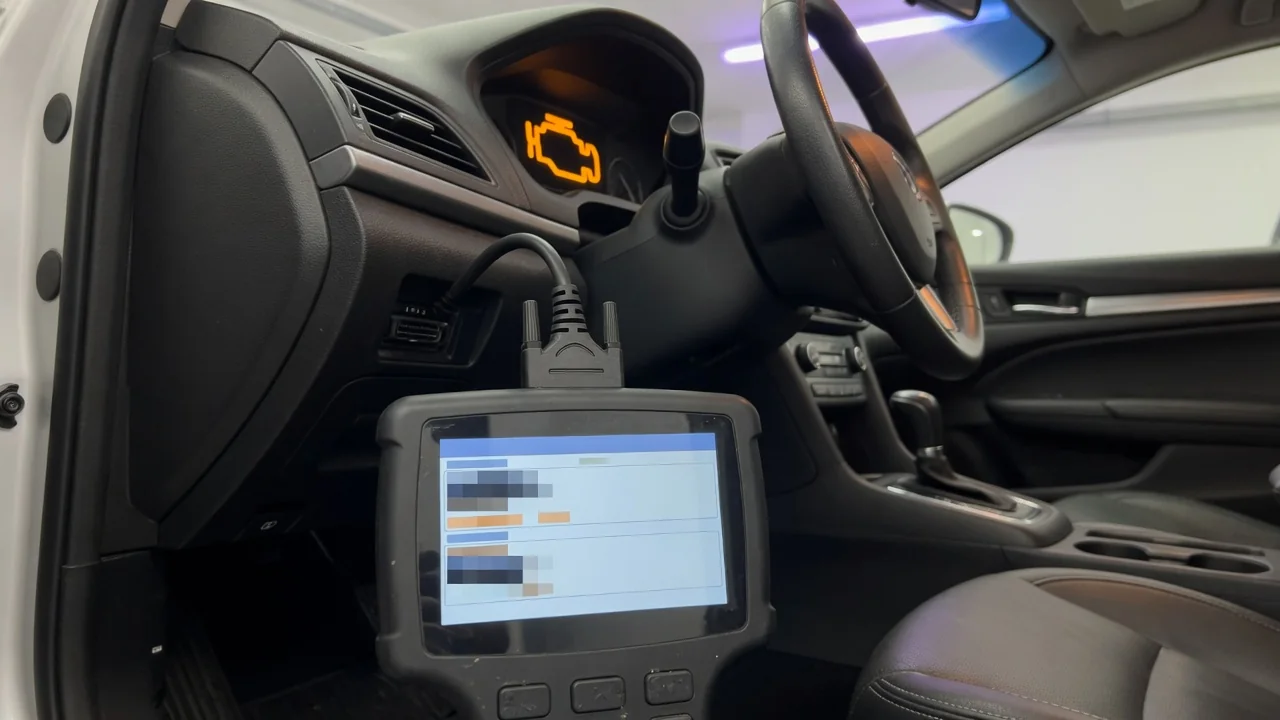
A P1021 code can be frustrating because it does not mean the same thing on every vehicle. This code belongs to a range of manufacturer-specific powertrain codes, so the definition depends on your exact make, model, engine, and model year. Interpreting it without confirming the vehicle-specific meaning can lead to misdiagnosis. Understanding how to look up the correct definition, what symptoms may appear, and which checks are safe to perform can help you handle the situation more effectively.
What the P1021 Code Is and Why Its Meaning Changes by Manufacturer
Manufacturer-specific powertrain codes, often called P1xxx codes, are assigned by vehicle manufacturers for systems or faults not covered by generic OBD-II definitions. The same code number can appear on different makes and mean entirely different things. For example, one brand might use P1021 for a fuel pressure sensor circuit, while another could use it for an internal control module fault or a valve timing issue. This lack of standardization is why you cannot rely on a single generic definition for P1021 across all vehicles.
When a fault is detected, the powertrain control module may store a pending, stored, or permanent code. A pending code indicates the condition was seen once but not yet confirmed, while a stored code means the fault has been confirmed and may illuminate the check engine light. Permanent codes cannot be cleared with a scan tool and remain until the vehicle completes the required drive cycles. The check engine light may stay off, illuminate steadily, or flash depending on severity and the manufacturer's strategy.
How to Confirm What P1021 Means on Your Make, Model and Engine
A scan tool that supports manufacturer-specific codes will display a more precise description than a generic OBD-II reader. Generic tools often show only the code number and a vague label like "manufacturer control," while a professional-grade scanner or factory-level software can identify the exact circuit or system the manufacturer intended. Before looking up P1021, have your vehicle identification number (VIN), make, model, model year, and engine size ready. These details narrow down the correct definition and diagnostic path.
The most reliable ways to confirm what P1021 means for your vehicle are factory service information, dealer service departments, or professional diagnostic databases. These sources are tied to your VIN and give the manufacturer's own description, possible causes, and test procedures. When the code appears, record freeze frame data and any other stored codes before clearing anything. Freeze frame shows engine conditions at the moment the fault was set, which helps a technician replicate the problem. Be cautious with online code lists, as a definition shown there may belong to a different manufacturer entirely.
Symptoms Drivers May Notice When P1021 Is Stored
Since P1021 can be linked to different systems depending on the make, symptoms vary widely. Some drivers may notice no change at all, while others could experience rough idle, hesitation during acceleration, reduced power, or changes in fuel economy. These symptoms depend on which component or circuit the manufacturer assigned to the code. For example, if the code relates to a camshaft actuator, you might notice a rough idle; if it relates to a fuel system sensor, you might see poor fuel economy.
If the check engine light is flashing or the vehicle suddenly loses power, reduce driving and have the vehicle inspected promptly. A flashing light generally indicates a misfire or condition that could damage the catalytic converter. Taking note of when symptoms occur—such as during a cold start, after warm-up, under acceleration, or at idle—can help a technician reproduce the fault and narrow down the cause more quickly.
Possible Cause Categories and the Limits of Diagnosing From the Code Alone
Broad cause categories for many manufacturer-specific codes include sensor or actuator faults, wiring and connector problems, and control module issues. A sensor may fail internally, an actuator may stick or bind, or the wiring between components may chafe, short, or disconnect. The code alone does not prove that a specific part is faulty; it indicates that the control module saw a signal or value outside the expected range. Replacing a part based only on the code number often leads to wasted money because the root cause may be a wiring issue or another component affecting the signal.
Related codes stored at the same time can change how P1021 should be interpreted. For example, a circuit code for a sensor may appear alongside a code for a reference voltage problem, pointing toward a shared power supply issue rather than the sensor itself. Always consider the full set of codes and freeze frame data before drawing conclusions. A diagnostic procedure from the manufacturer will guide testing in the correct order, avoiding unnecessary parts replacement.
Safe Checks Owners Can Do Before Going to a Repair Shop
With the engine off and cool, you can perform some safe visual checks. Look for obviously damaged wiring, loose connectors that can be seen without removing covers, and disconnected hoses near the areas related to the manufacturer's definition for your vehicle. Recent work, a battery disconnect, or aftermarket modifications can sometimes trigger a code. If any of these events occurred just before the light came on, mention them to your technician, as they may be relevant.
Clearing the code and watching whether it returns can provide useful information, but it does not fix the underlying problem. If the fault is still present, the code will likely come back after the vehicle completes the necessary drive cycle. Avoid electrical probing, working on fuel system parts, or any procedure involving moving engine components or high-pressure systems, as these carry risk of injury or damage. Additionally, check whether there are open manufacturer service campaigns for your vehicle by VIN, as a dealer can perform covered repairs at no charge if applicable.
When P1021 Needs Professional Testing and What to Ask the Technician
Seek professional diagnosis when the code comes back after clearing, symptoms worsen, the check engine light flashes, or your vehicle is due for an emissions inspection. Professional testing may involve reviewing live data with a scan tool, performing circuit tests with a digital multimeter, and following the manufacturer's step-by-step diagnostic procedure for your specific vehicle. This process tests components and wiring systematically rather than guessing.
When you visit a technician, ask what P1021 means for your specific vehicle, what tests confirmed the cause, and whether other codes are involved. A good technician will explain the diagnostic findings and show you the failed component or wiring issue. Repair costs depend on the confirmed cause and your vehicle, so prices vary widely. Avoid shops that quote a price before diagnosing the problem, as that often leads to unnecessary repairs.