P1020 Code: Manufacturer-Specific Meaning and Diagnosis
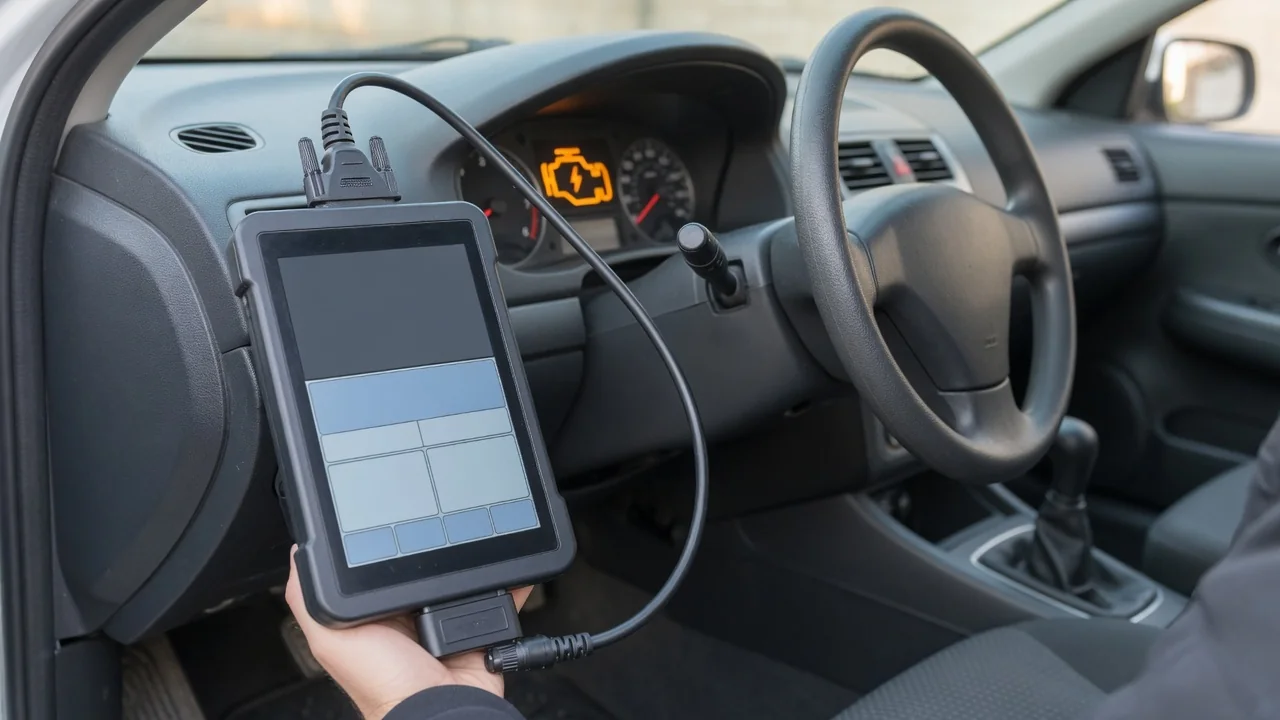
When a check engine light appears, pulling the code is only the first step. For a P1020 code, the next step is more complicated than usual because this number does not have one universal meaning. P1020 is a P1xxx powertrain code, which means the manufacturer defines its specific condition for each model. A definition written for a different brand can lead you toward unnecessary parts or miss the true fault. This guide explains how to confirm the correct meaning for your vehicle, record important diagnostic data, and approach the repair sensibly.
What P1020 Means and Why the Definition Depends on the Make
P1020 belongs to the P1xxx range of diagnostic trouble codes reserved for manufacturer-specific powertrain issues. Unlike generic P0xxx codes, these numbers are assigned different meanings by different automakers, and sometimes even by different models from the same brand. A code definition that fits one vehicle may be completely unrelated to another. For example, one manufacturer might use P1020 for a fuel system pressure sensor circuit, while another could apply the same number to a valve timing actuator. Without confirming the intended use, any interpretation is just a guess.
Because there is no universal P1020 definition, the first task is to match the code to the exact vehicle. A manufacturer-level scan tool, factory service information, or a dealer can provide the true description, which includes the affected system and the circuit condition. Generic code charts and online lists may offer a single answer that is inaccurate for your car. Acting on the wrong meaning can send a diagnosis in a completely wrong direction, wasting time and money. Always verify the definition before touching any component or circuit.
Reading the P1020 Code Correctly With a Scan Tool
Scanning the vehicle is more than reading a number. When P1020 appears, record the complete code, including its status as current, pending, or history. Write down any freeze frame data saved at the moment the fault occurred, such as engine speed, coolant temperature, and fuel trim values. This snapshot shows the operating conditions when the problem happened and can reveal whether the fault appears only when cold, hot, under load, or at idle. Deleting the code before noting this information erases evidence that may be difficult to reproduce.
A basic OBD-II scanner often shows only 'P1020' with no description, which does not help a DIY diagnosis. An enhanced scan tool or manufacturer-specific software may display the exact definition, such as a circuit range/performance issue for a named component. If the tool lists other stored codes, record those as well. Multiple codes often share a common power feed, ground, or communication fault, and the supporting codes can point to the real problem faster than P1020 alone. Clear nothing until all data is saved.
Symptoms Drivers May Notice Alongside P1020
The symptoms accompanying P1020 depend entirely on what system the manufacturer assigned to the code. Common complaints include an illuminated check engine light, rough idle, hesitation during acceleration, reduced power, or a noticeable change in fuel economy. Some drivers may feel the transmission shift differently or hear unusual noises if the code involves an actuator. However, none of these symptoms is specific to P1020; they overlap with countless other fuel, ignition, and emissions problems. Use them only as supporting clues, not as a way to guess the definition.
In some cases, a vehicle with a stored P1020 may run and drive normally, with no obvious change in performance. The driver may see only the check engine light, or the code may be found during an emissions inspection without any prior warning. This does not mean the fault is insignificant. Some issues develop slowly or only trigger under conditions not met during ordinary driving. On the other hand, if the check engine light flashes, the engine misfires severely, or there is a fuel smell or visible smoke, stop driving and have the vehicle towed to avoid further damage.
Possible Cause Categories to Consider After Confirming the Definition
After confirming the exact meaning for your vehicle, the possible causes can be grouped into general categories. The most common categories are wiring and connector problems, such as corrosion, broken terminals, or chafed insulation; a faulty sensor or actuator that the code directly names; a circuit fault affecting power, ground, or signal return; or a control module software issue that creates an incorrect diagnostic result. Which category applies depends entirely on the manufacturer's description. For instance, a code defined as a circuit low voltage points to wiring or the sensor, while a rationality fault may point to mechanical wear.
Never replace a part based only on a generic list of possible causes. The confirmed definition narrows the list and tells you which system to inspect. For example, if P1020 on your car means the intake manifold runner control circuit is open, testing the connector and wiring is the first step, not buying a new runner control valve. Checking for manufacturer technical service bulletins through a dealer or online service information portal can also be worthwhile. A bulletin may describe a known issue and the correct repair, including a software update, without requiring a guess.
Safe Checks You Can Do Before Visiting a Shop
Before visiting a shop, you can perform a few safe visual checks with the engine off and completely cool. Look in the area the confirmed definition points to: inspect wiring harnesses for insulation rubbed through, loose or corroded connectors, and disconnected vacuum lines or hoses. A simple separated connector can turn on a P1020 and is often easy to reconnect. Do not probe wires, apply voltage, or remove components beyond a visual inspection. If the offending area is buried or near hot or moving parts, leave it for a professional.
Battery condition is another factor worth checking. A weak battery, dirty terminals, or a loose ground cable can create low voltage conditions that cause intermittent sensor codes, including some P1xxx codes. Clean the terminals if they are corroded, and ensure the battery is securely connected. Afterward, re-scan the vehicle after a normal drive cycle to see whether the code returns. Only do this after the original freeze frame data and code status have been saved. If P1020 comes back immediately, further diagnosis is needed.
Limits of DIY Diagnosis and When Professional Testing Is Needed
Confirming a hard electrical or mechanical fault requires information and tools most DIYers do not have. A professional diagnostic uses wiring diagrams, manufacturer-specified test values, and sometimes an oscilloscope to verify sensor signals. Guessing at a fix without these resources usually results in changing good parts. If the code returns after being cleared, appears alongside other codes, or is accompanied by drivability symptoms such as rough running or hesitation, the smart move is to schedule a proper diagnosis rather than continue throwing parts at the problem.
Some P1020 definitions point to a control module fault that requires reprogramming or a software update. This work normally demands a dealer-level or specialist scan tool and cannot be performed with a consumer code reader. When talking to a shop, ask them to show you the confirmed code definition from their service information and explain which tests failed before recommending a repair. A trustworthy technician will welcome the question and provide test results, not just a part to replace. Knowing the definition yourself keeps the repair focused and fair.