P1018 Code: Manufacturer-Specific Meaning, Symptoms and Safe Diagnosis
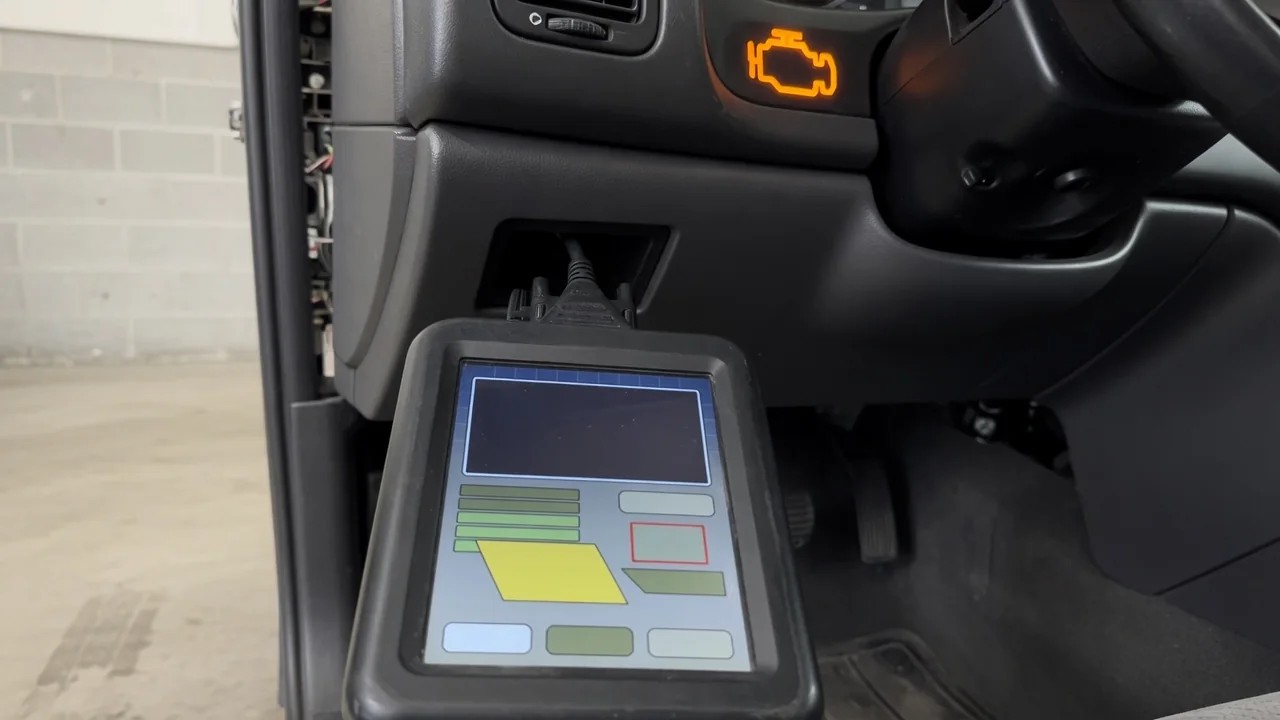
A P1018 trouble code can appear on any OBD-II vehicle, yet its meaning depends on the manufacturer that assigned it. Because P1xxx codes are manufacturer-specific, there is no universal definition that applies across every make and model. Drivers often see the check engine light illuminate and need reliable guidance to interpret the code, record its details, and decide on safe next steps. Understanding how to verify the exact meaning for your vehicle prevents misdiagnosis and unnecessary part replacement.
What P1018 Means and Why There Is No Universal Definition
P1018 is a manufacturer-controlled diagnostic trouble code, which means the powertrain control module uses it for a condition defined by that specific automaker. The Society of Automotive Engineers standardizes many OBD-II codes, but codes in the P1000–P1999 range remain reserved for each manufacturer’s own use. Therefore, P1018 could refer to different systems, sensors, or circuits on a Ford, BMW, Toyota, or any other brand. No single definition is safe to apply without knowing the exact vehicle application.
The only reliable way to confirm the meaning is through factory service information, a dealer, or a scan tool with enhanced code definitions for that make. Generic online code lists often assign one fixed meaning to P1018 across all brands, which leads to false assumptions. The code definition can even vary between models, years, or engine configurations from the same manufacturer. Always verify the make, model, year, and engine before interpreting what the code indicates for your vehicle.
Reading the P1018 Code Correctly With a Scan Tool
Start by connecting an OBD-II scan tool to retrieve the P1018 code and its full text description if available. Note whether the code is pending, confirmed, or stored as a history code, because this status reveals whether the fault is currently active or intermittent. Record any companion codes stored at the same time, since related faults often appear together. The freeze frame data captured when the code set is equally important, as it includes parameters such as engine temperature, load, and speed.
Generic OBD-II readers may display only the code number or a vague label like “Manufacturer Control,” so a manufacturer-level scan tool or enhanced software may be needed for the exact definition. Freeze frame data helps show the operating conditions when the fault was detected, which can narrow down possible circuits or intermittent issues. Always save or photograph the full readout before clearing any codes, because clearing erases the stored evidence a technician will need for accurate diagnosis.
Symptoms Drivers May Notice Alongside P1018
Because the meaning of P1018 varies by manufacturer, the symptoms that accompany it also depend on the system being monitored. A driver might notice a check engine light, rough idle, hesitation on acceleration, or unusual warning messages on the instrument cluster, but none of these are guaranteed for every vehicle. Some cars may store the code with no noticeable change in drivability at all, especially if the fault is intermittent or only detected under specific conditions.
Keeping a simple log of when the warning light appears is valuable for diagnosis. Record the weather, engine temperature, driving conditions, and any other symptoms noticed at the time. This information can help a technician reproduce the fault and correlate it with the freeze frame data stored by the control module. A symptom that appears only when cold, only on rough roads, or only after a long drive can point toward a particular circuit or connector problem.
Possible Cause Categories Once the Definition Is Confirmed
After confirming the specific definition of P1018 for your vehicle, you can consider broad cause categories rather than jumping to a single failed part. The monitored system may involve a sensor circuit, wiring and connectors, control module communication, or the component itself. A trouble code indicates a detected condition that falls outside expected parameters, not necessarily that a specific part has failed. Replacing parts based only on the code number often leads to wasted money and an unsolved problem.
Low battery voltage or charging system issues can sometimes influence stored codes, because electronic modules require stable voltage to operate correctly. Before condemning a sensor or actuator, rule out basic power and ground problems through proper testing. Wiring harness inspection for chafing, corrosion, or loose connectors is also a logical step once the relevant area is known. However, without the exact definition, even these broad categories remain speculative.
Safe Checks an Owner Can Do Without Special Tools
With the engine off and cool, a careful visual inspection can reveal obvious problems without any special tools. Look for damaged, disconnected, or chafed wiring and loose connectors in the area related to the system defined by the manufacturer. Recent work, aftermarket accessories, or a battery disconnection around the time the code first appeared can provide helpful clues. A disturbed connector or pinched harness is often easier to spot by eye than by guessing at internal component failures.
After noting any visible issues, drive the vehicle through a normal drive cycle and see whether the code returns before clearing it repeatedly. Clearing the code without understanding the underlying condition only delays proper diagnosis and may erase helpful freeze frame data. Owners should avoid probing live circuits, bypassing sensors, or disassembling components without proper training and factory service information. Unintended shorts or incorrect reassembly can create new faults and increase repair costs.
Limits of DIY Diagnosis for a Manufacturer-Specific Code
A manufacturer-specific code often requires factory procedures and specifications for accurate electrical measurements, module testing, and pinpoint tests. Repair manuals may include voltage, resistance, and frequency checks that demand specialized tools and training. When a software update or module programming is relevant, dealer-level or professional equipment is usually required. Guessing at these steps without the correct data can waste time and money while potentially masking the real fault.
This article cannot confirm part compatibility, recalls, or technical service bulletins for your vehicle. The reader should check these items with a dealer using the vehicle identification number. Recalls or bulletins sometimes address known issues that set a particular code, and a dealer can verify whether your car is affected. Confirming the exact definition through factory information first keeps the diagnosis focused and prevents unnecessary parts replacement.
When to Seek Professional Testing and What to Bring
Certain warning signs call for prompt professional attention rather than continued DIY inspection. A flashing check engine light indicates a severe misfire that can damage the catalytic converter. Noticeable power loss, overheating, or other warning lights alongside P1018 suggest a more urgent problem that should be diagnosed by a qualified technician. Delaying in these situations can turn a minor electrical glitch into an expensive repair.
When visiting a shop, bring your scan readout, freeze frame data, companion codes, and the symptom log you have kept. This information saves diagnostic time and helps the technician focus on the correct system. Ask the shop to confirm the manufacturer-specific definition for your exact vehicle before testing begins. Request test results and a clear explanation before approving any repairs, so you understand what was found and why a particular fix is recommended.