P1017 Code: Meaning by Make, Symptoms, Causes and Diagnosis
A P1017 code can leave a driver uncertain because this number does not have one universal meaning. Unlike standardized OBD-II codes for emissions, P1xxx codes are manufacturer-controlled. The same code can point to different systems on different makes, models, or engines. You must confirm the exact definition for your vehicle before guessing. Information from a generic code reader or a mismatched forum post can lead down the wrong path. This guide explains how to interpret P1017 correctly, what symptoms to watch, why it happens, and how to approach diagnosis and repair without unnecessary parts swapping.
What the P1017 Code Means and Why It Varies by Manufacturer
P1017 belongs to the manufacturer-specific range of OBD-II trouble codes. The SAE standard sets the first character and overall format, but automakers control the meaning of P1xxx codes after the format. Each manufacturer is free to assign P1017 to a different subsystem, sensor, or condition. For example, one brand might use it for a variable valve timing actuator position fault, while another could tie it to a charge air cooler temperature sensor circuit. There is simply no cross-brand dictionary. Treat any universal definition as a lead, never as a confirmed diagnosis.
Because the meaning varies, the first step is always to verify P1017 for your exact make, model, year, and engine. A dealer-level or enhanced aftermarket scan tool with manufacturer software often displays the official description. Factory service information, whether in a repair manual or subscription database, also gives the correct definition and diagnostic procedure. If uncertain, a dealer or independent shop with the right tools can confirm it quickly. Relying on a generic code chart that lists a single definition for all vehicles is a common mistake and can waste time and money chasing the wrong system.
How to Read P1017 Correctly With a Scan Tool
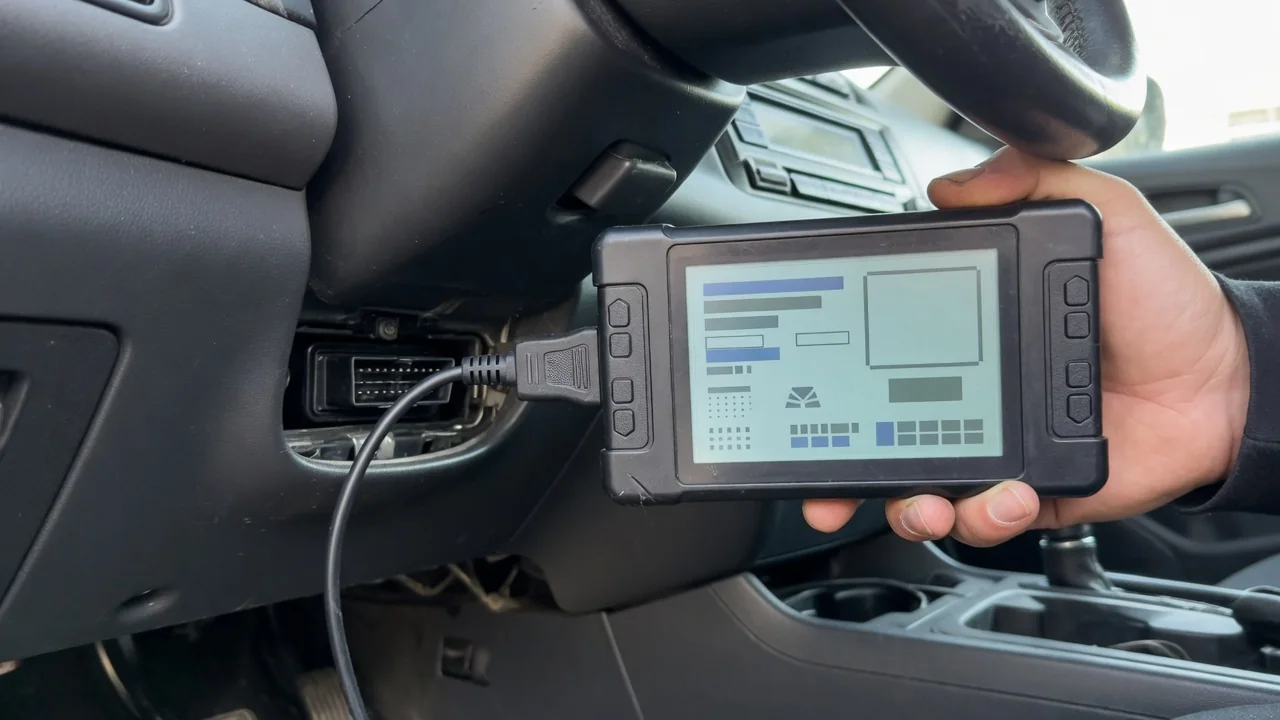
Reading P1017 correctly starts with the right tool. A basic OBD-II code reader only shows the code number and a generic phrase like “Manufacturer Control.” An enhanced scan tool, sometimes called a professional scanner, can display the manufacturer’s own description, possible causes, and even test steps. It also communicates with more modules than just the ECM. If you only have a basic reader, at least note other codes present. Do not clear anything yet; the stored information is more valuable than a blank screen.
Before clearing, record the freeze frame data. This snapshot shows engine operating conditions when the fault was set, such as coolant temperature, RPM, vehicle speed, and fuel trim. Also note whether P1017 is a pending, stored, or permanent code. Any companion codes set at the same time often reveal the affected system. For instance, a circuit code alongside a sensor performance code points to wiring rather than the sensor itself. After clearing, drive normally and watch when or if P1017 returns. The conditions of its return—cold start, hard acceleration, after a bump—are valuable clues for diagnosis.
Symptoms Drivers May Notice With P1017
Symptoms tied to P1017 depend entirely on the system the manufacturer assigned to the code. In some cases, the only sign is an illuminated check engine light, and the vehicle drives normally. In others, the code may accompany a stumble at idle, a flat spot during acceleration, or a subtle loss of power. Fuel economy may change because the engine control module often substitutes a default value when a sensor signal is missing or out of range. You might notice the transmission shifting differently if the code relates to a transmission sensor or actuator.
Not all symptoms are created equal. A steady check engine light with only mild drivability changes may allow you to continue driving with caution. But a flashing check engine light or a noticeable reduction in power indicates a condition that could damage the catalytic converter or affect safe vehicle control. In that case, reduce speed, avoid heavy loads, and have the vehicle inspected promptly. Remember that symptoms can overlap between many faults. A rough idle alone does not prove the cause of P1017; it only narrows the direction for testing.
Possible Causes Once the Vehicle-Specific Meaning Is Confirmed
Once the vehicle-specific meaning of P1017 is confirmed, possible causes fall into familiar categories. The fault may stem from a sensor reading incorrectly, a wiring harness with damage or high resistance, a connector with corrosion or loose terminals, a control module software issue, or a mechanical condition that alters the measured parameter. For instance, if P1017 means a camshaft position actuator circuit fault, causes could include an open or shorted wire, a failed actuator solenoid, low oil pressure affecting actuation, or a wiring connector not fully seated.
Before replacing any part, a technician typically checks wiring and connectors first. Electrical problems are common, less expensive to repair, and often mimic sensor failures. Visual inspection of accessible harness sections, gentle wiggling while watching live data, and terminal tension checks can reveal intermittent issues. Low battery voltage or a failing alternator can also cause multiple seemingly unrelated electronic fault codes to appear. Always check battery state of charge, cable connections, and charging system output before condemning a sensor or module. Without the manufacturer’s specific test data, no part should be assumed defective based only on the code.
Safe Checks You Can Do Before Visiting a Shop
Some safe checks can be done at home without specialized tools or technical training. Start with the battery: look for corroded terminals, loose cable clamps, or a swollen case. Then inspect accessible wiring near the areas mentioned in the vehicle-specific definition. Look for cracked insulation, wires rubbing against metal, or connectors that are not fully clicked together. If the vehicle had recent work—a battery replacement, accessory installation, or collision repair—check that areas involved in that work are undisturbed and properly reassembled.
Before a shop visit, ask a dealer’s service department or search the manufacturer’s technical service bulletin database for any bulletins related to P1017 on your vehicle. A TSB may describe a known software glitch or wiring routing fix that applies only to your configuration. Software updates sometimes address false fault codes without any parts replacement. However, do not attempt repairs involving fuel systems, high-voltage hybrid or EV components, or any test that requires the engine to be running while you probe electrical circuits. Those jobs require training and proper safety equipment.
When Professional Diagnosis Is Needed
Professional diagnosis is usually necessary to confirm P1017 because the manufacturer’s test procedure often requires live data graphing, bi-directional control, and electrical measurements. A technician will first verify the code definition with the correct scan tool, then review freeze frame data and any stored codes captured at the same moment. From there, they follow a logical sequence: inspect wiring, check power and ground circuits, measure signal voltage with a digital multimeter, and compare readings to specifications. Only after confirming a fault do they replace a part or repair a circuit.
If the vehicle has drivability concerns, failed emissions readiness monitors, or safety-related warnings, seek service sooner rather than later. Some faults can affect fuel delivery, braking systems, or transmission behavior. When you take the vehicle in, ask the shop to explain what P1017 means on your specific vehicle and show you the test results that justify the recommended repair. A trustworthy technician will have no problem walking you through the confirmed definition, the data that led to the conclusion, and why a particular part or repair is needed.
Repair Approach and Confirming the Fix
The correct repair for P1017 is whatever the verified manufacturer definition and test results indicate. It might be a wiring repair, a connector replacement, a reflashed engine control module, or a new sensor or actuator. No universal fix exists. Clearing the code without addressing the underlying fault only turns off the warning light temporarily. The same code will return, often after the next drive cycle when the monitor runs. Worse, if you clear it right before an emissions inspection, the readiness monitors will be incomplete and the vehicle may fail an OBD-II test.
After a repair, confirm the fix properly. Clear all codes, then drive the vehicle through a normal range of conditions—cold start, warm idle, light acceleration, steady cruising, and a short highway run if safe. Many manufacturers define a specific drive cycle, but everyday driving often satisfies the monitors. Recheck with a scan tool after a few trips. No returning code and no pending P1017 is a good sign. Avoid comparing repair prices or part numbers from forums or generic sources, because the necessary repair and local labor rates vary widely by vehicle and region.