P1016 Code: Meaning, Causes and Fixes
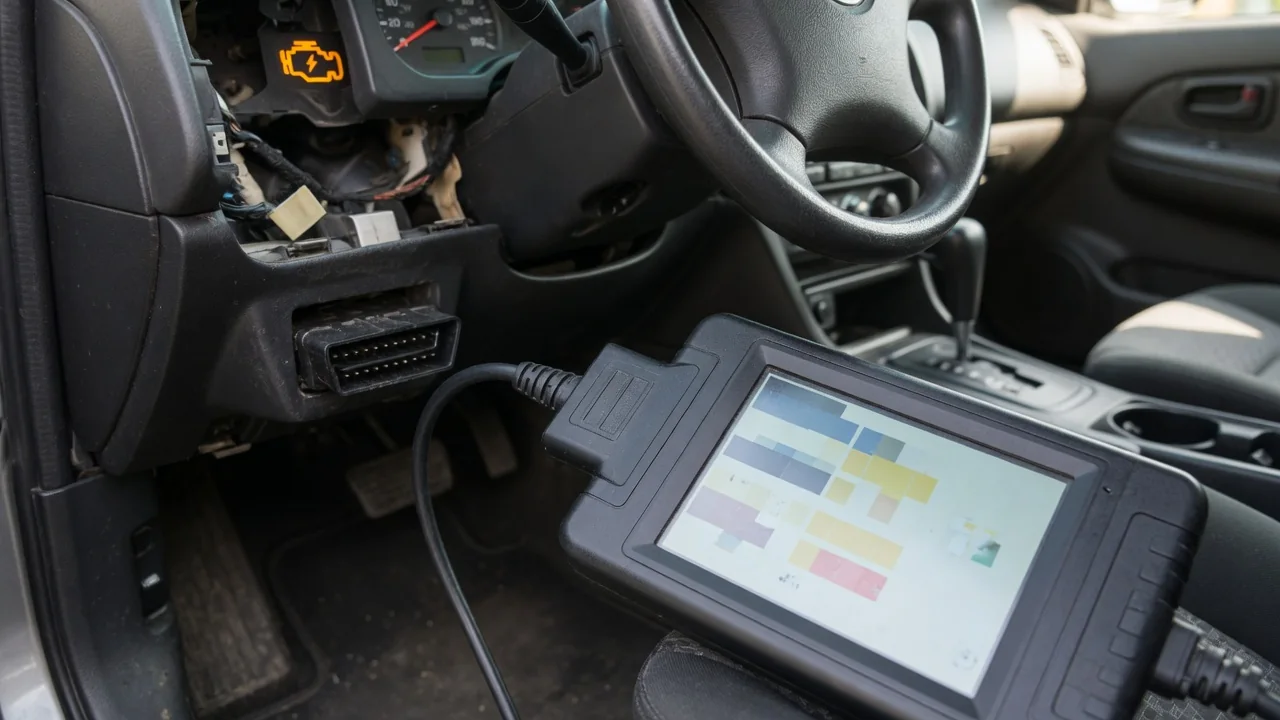
A P1016 code means your vehicle’s computer has detected a problem, but unlike generic OBD-II codes, P1016 is manufacturer-specific. The same code can point to different systems depending on your make, model, year, and engine. A basic scan tool may show a misleading description, so confirming the exact definition with factory service information is essential. This article explains how to interpret P1016, what symptoms may appear, and how to approach diagnosis safely.
What the P1016 Code Means and Why It Depends on the Manufacturer
The P1016 code belongs to the P1xxx range, which automakers reserve for their own enhanced diagnostic codes. This means there is no single universal definition; a P1016 on one brand might relate to a sensor circuit, while on another it could indicate a software fault or an emissions component. Treat any generic description you see as unverified until you confirm it against the manufacturer's service documentation for your specific vehicle.
To confirm the meaning, start by reading the code with a scan tool capable of displaying manufacturer-enhanced codes, not just the generic five-character number. Factory service information, available through dealer resources or subscription services, provides the exact definition and diagnostic steps. Generic lookup websites often repeat oversimplified or incorrect information for P1xxx codes, so relying on them can send you down the wrong repair path.
How P1016 Meanings Vary by Make
Different automakers assign P1016 to different systems, so a definition from one brand never carries over to another. For example, one manufacturer might use P1016 for a turbocharger position sensor fault, while another may reserve it for a fuel pressure control circuit. Even within a brand, the same code can differ between model years or engine variants, so the vehicle's exact application must be checked.
When you have the code read, record the complete text shown by a quality scan tool. Many enhanced tools display a phrase after the code, such as 'Sensor Reference Voltage Too Low' or 'Control Circuit Performance.' That text is often the key to knowing which system to investigate. Without it, you are guessing blind.
Symptoms Drivers May Notice With P1016
Because P1016's meaning changes with the vehicle, the symptoms you experience depend entirely on the system affected. Some drivers may see only an illuminated check engine light, while others might notice rough running, hesitation, hard starting, poor acceleration, or no drivability change at all. A flashing check engine light, though, indicates a misfire or other fault that could damage the catalytic converter if ignored.
To help a technician, write down when the symptoms occur: during cold starts, at idle, under acceleration, or only when the engine is warm. Also note anything that recently changed on the vehicle, such as repairs, dead battery, or aftermarket accessories. These observations narrow down the possible circuits and save diagnostic time.
Possible Causes and Why a Code Alone Is Not a Diagnosis
A diagnostic trouble code is not a list of failed parts; it is the result of a self-test that found a condition outside expected limits. The actual cause may be a sensor, wiring, connector, mechanical issue, or even a control module software glitch. For P1016, the verified definition tells you which circuit to inspect, not what to replace.
Avoid the temptation to replace a part based solely on the code number. Many sensors and modules are misdiagnosed when the real fault is a corroded connector, chafed wire, or poor ground. A technician should review all stored codes, pending codes, and freeze-frame data to understand the operating conditions when the fault set. These clues point to the real source.
Safe Checks Before Visiting a Shop
Before visiting a shop, use a scan tool to record all stored and pending codes along with freeze-frame data. This snapshot shows engine speed, temperature, and other values at the moment the fault occurred. Save this information before clearing any codes, because clearing erases it and can make diagnosis harder.
With the engine off and cool, visually inspect under the hood for obvious damage to wiring harnesses, loose connectors, or signs of recent work that may have disturbed a component. Look for melted insulation, cracked vacuum lines, or disconnected plugs. Do not attempt electrical tests, fuel system work, or timing checks yourself; leave those to a professional with proper tools and service information.
When Professional Testing and Repair Are Needed
Confirming and fixing a P1016 usually requires manufacturer-level diagnostic tools, wiring diagrams, and pinpoint electrical tests. A technician will start by verifying the exact code definition for your VIN or build date, then follow the factory procedures for that specific fault. They may check related technical service bulletins, which often describe known issues and faster fixes.
Before approving repairs, ask the technician to explain what they found and how it relates to the P1016 code. A credible diagnosis attributes the fault to a specific wire, connector, component, or software issue. Also ask whether any warranty, extended coverage, or emissions program applies to your vehicle, but do not assume coverage without written confirmation from the dealer or manufacturer.
Is It Safe to Drive With a P1016 Code?
Driving risk with a P1016 code depends on the verified meaning and the symptoms you observe. If the check engine light is steady and the vehicle runs normally, cautious short-term driving is usually acceptable until you can schedule diagnosis. However, if the light is flashing or the engine runs poorly, stop driving and have the vehicle towed to avoid further damage.
Keep in mind that any illuminated malfunction indicator lamp usually causes an automatic emissions inspection failure in most regions. Even if the car drives fine, the unresolved trouble code will prevent registration renewal. Addressing the fault promptly also prevents a small wiring or sensor issue from escalating into an expensive repair.