P1012 Code: Meaning, Causes and Fixes
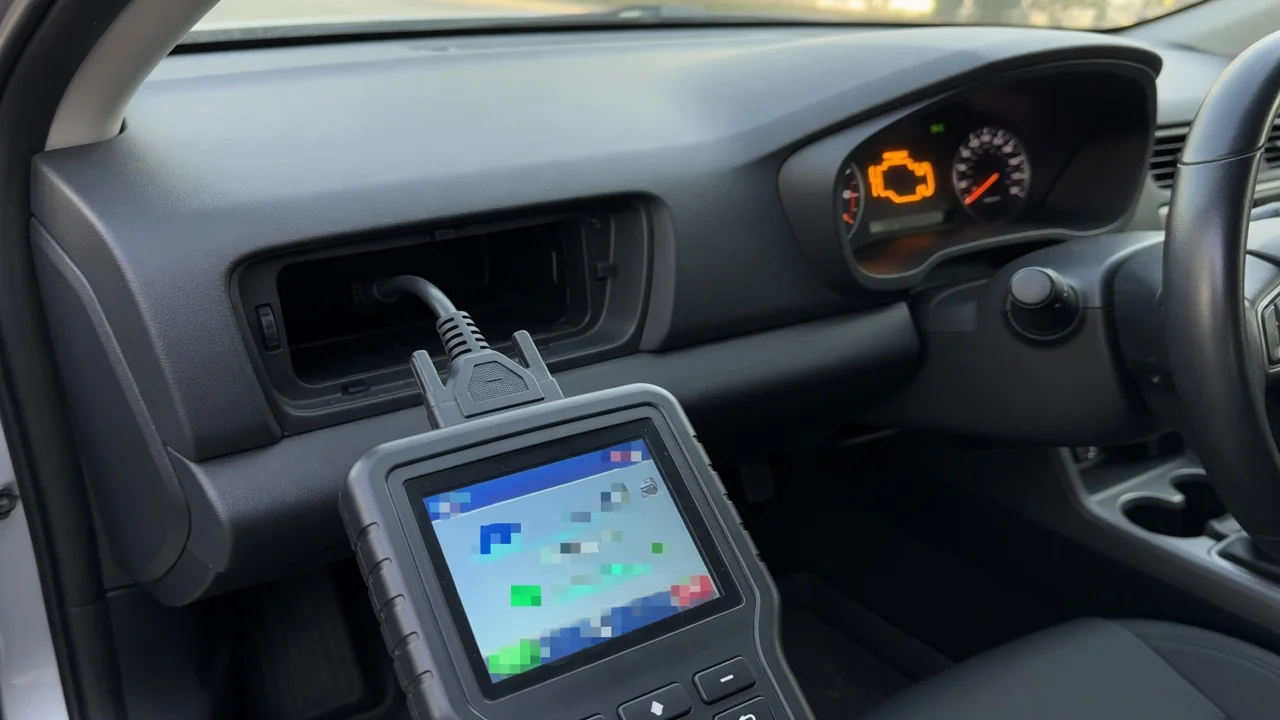
A P1012 code can be confusing because it isn't a universal trouble code. Unlike standardized powertrain codes, P1xxx codes are assigned by individual automakers, meaning P1012 refers to different conditions depending on your vehicle. The check engine light is simply an invitation to investigate, and interpreting this code correctly requires matching it to your make, model, year, and engine. Before considering fixes, you need the exact definition from a reliable source and a systematic approach to diagnosis.
What a P1012 Code Means and Why It Depends on Your Vehicle
Because P1012 falls in the manufacturer-specific range, two different vehicles can show the same code for completely unrelated systems. One make might use it for a fuel system sensor, while another assigns it to an emissions control circuit. This lack of a universal standard means that generic online lookup tables often contradict each other or list a definition that doesn't apply to your car.
To avoid chasing the wrong problem, confirm the exact meaning for your specific vehicle. Use a factory service manual, an enhanced scan tool that includes manufacturer definitions, or a dealer-level information system. A correct definition should identify the involved system or circuit, describe the fault condition that triggered the code, and often include related monitor status or freeze frame data that helps narrow the diagnostic path.
Reading Freeze Frame Data and Related Codes Before Guessing
Before clearing a P1012 code, record its status whether pending, confirmed, or permanent and capture the freeze frame data stored with it. This snapshot shows engine operating conditions at the moment the fault was detected, including engine speed, temperature, load, and fuel trim values. Without this context, you erase the clues your vehicle has already given you, making diagnosis harder.
Also note any other codes present, especially generic P0 codes that often identify the affected system more clearly than a manufacturer-specific P1012. Pay attention to when the check engine light first illuminated: a cold start, steady highway cruise, or idle can each point to different failures. Clearing all codes before writing down this information removes data a technician could use to confirm the root cause efficiently.
Symptoms Drivers May Notice With P1012
Symptoms for P1012 depend entirely on the system your manufacturer tied to the code. If it relates to fuel delivery, you might experience hard starting, hesitation under acceleration, or a rough idle. When the code involves an emissions monitor, the vehicle may drive completely normally with no performance change, and the only indication could be an illuminated check engine light.
Certain warning signs indicate a serious condition that requires immediate attention. If the check engine light flashes, the engine misfires, or the vehicle enters a reduced-power or limp mode, continuing to drive can damage the catalytic converter or other components. Fuel odors, overheating, or unusual mechanical noises alongside the code also mean the car should be parked and towed to a repair facility rather than driven further.
Common Cause Categories Once the Definition Is Confirmed
Once you have confirmed the vehicle-specific definition, you can think about likely cause categories. Potential sources include sensor signal faults, damaged wiring or corroded connectors, actuators or control modules not responding correctly, and software calibration issues. The code tells you that a monitored condition fell outside expected boundaries; it doesn't conclusively identify which component is responsible.
Low system voltage, a recent battery replacement, or work done near a wiring harness can all contribute to stored fault codes. A disturbed connector or pinched wire may create exactly the electrical behavior the computer interprets as a failure. Never assume a specific part is defective just because its name appears in a generic code description. Each candidate cause needs to be tested against the actual operating conditions and circuit specifications.
Safe Checks You Can Do at Home
With the engine off and cool, you can perform a careful visual inspection of wiring harnesses and electrical connectors associated with the system indicated by your confirmed code definition. Look for loose connections, cracked insulation, corrosion, or signs of rubbing against hot or moving parts. A disconnected or partially seated connector is an inexpensive find that often explains an intermittent P1012.
Think about whether any recent work occurred before the code appeared. Installing aftermarket accessories, changing a battery, or replacing a component near the affected circuit may have left a connector loose or a ground wire disconnected. You can also check for technical service bulletins through a dealer or official manufacturer sources. Software updates or known wiring faults are sometimes documented, saving hours of guesswork. However, if no obvious external cause is found, stop swapping parts.
When Professional Diagnosis Is Needed
Because P1012 is manufacturer-defined, confirming the code and testing the related circuit usually requires equipment beyond a basic code reader. A technician will use an enhanced scan tool to view live data, perform bidirectional control tests, and follow the specific diagnostic procedure published by the automaker. The goal is to compare actual circuit behavior against factory specifications before condemning any component.
Professional diagnosis is especially important for systems that involve fuel handling, high-voltage components, or require special tools for safe testing. When you bring the vehicle to a shop, ask which P1012 definition applies to your car and what test results support the proposed repair. A reputable technician should explain how the diagnosis leads to a specific part or repair, not simply guess based on the code alone.
Repairing P1012 and Confirming the Fix
The correct repair follows directly from the confirmed definition and the evidence gathered during testing. There is no universal P1012 parts list, so replacing components based solely on an internet search often fails to resolve the issue. The repair might be as simple as re-securing a connector or as involved as replacing a control module, but the decision must be rooted in measured results.
After completing the repair, clear the code and perform the manufacturer's recommended drive cycle to reset the readiness monitors. Then verify that the P1012 code does not return and that all emissions monitors pass. If the code comes back after a short period of driving, the root cause likely remains. Repair costs vary widely depending on the vehicle, the system involved, and the labor required, so expect quotes based on your specific diagnosis.