P1009 Code: Vehicle-Specific Meaning, Symptoms and Possible Causes
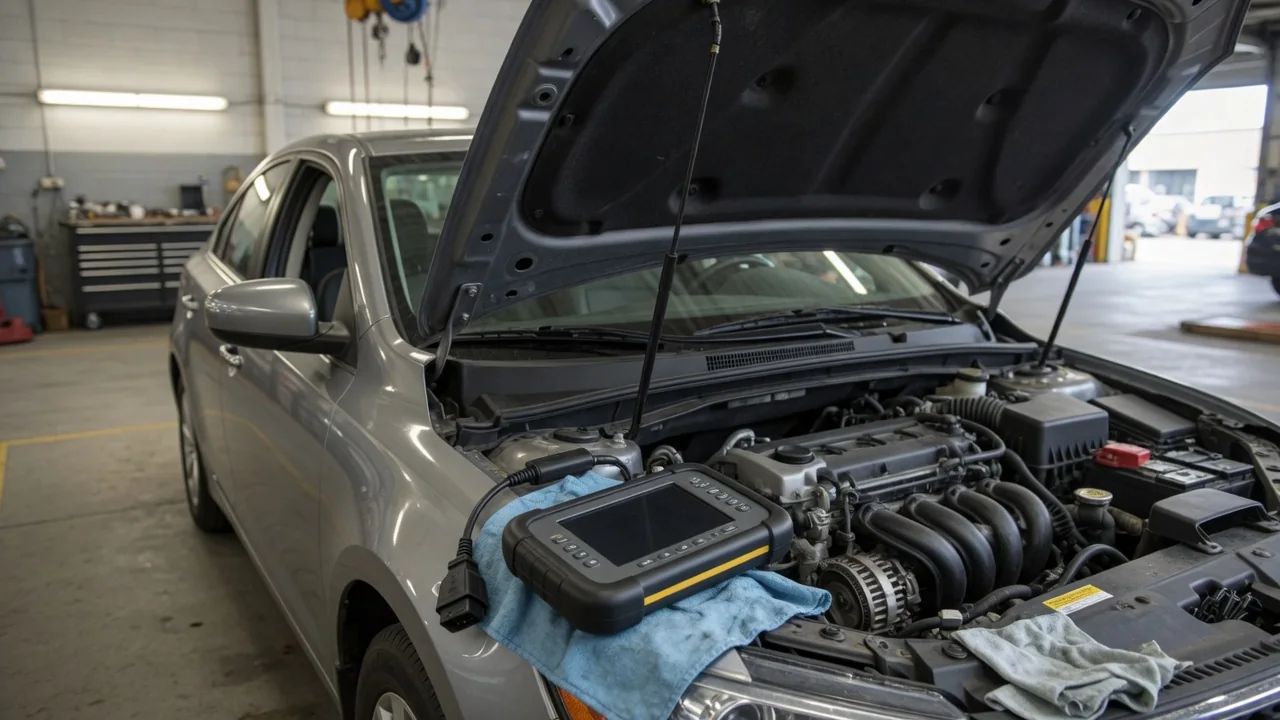
P1009 is a manufacturer-specific trouble code, so its definition depends on the vehicle. A lookup of the P1009 code should start with the exact make, model, year, and engine rather than a generic description. On some applications it relates to variable valve timing control, while others use it differently. P1009 symptoms may include a check engine light, drivability changes, or no obvious change at all. The stored result is a detected condition, not a failed-part diagnosis.
Verify What P1009 Means for Your Vehicle
P1009 does not have one universal meaning across every brand. It is a manufacturer-specific trouble code, and the same alphanumeric result can describe different monitored conditions depending on how that manufacturer programmed the control module. Before interpreting the finding, confirm the definition in service information for the exact make, model, year, and engine. Generic scan-tool text can be incomplete or borrowed from another application, so it is not a substitute for the vehicle's documented description.
Some Honda and Acura applications use P1009 for a variable valve timing control advance malfunction, which concerns camshaft timing that did not reach the commanded advance. That association still requires confirmation for the specific vehicle in front of you, because other makes can assign the same code to an unrelated system. Even when the verified definition involves variable valve timing, the code reports a detected operating condition. It does not, by itself, identify a failed solenoid, actuator, or other part.
Possible Symptoms and When to Stop Driving
When the verified definition concerns valve timing, P1009 symptoms can include a check engine light, rough running, reduced throttle response, or unusual engine noise. Some vehicles store the code with no noticeable drivability change, especially if the control module limited timing adjustment without a severe misfire. The light may stay on steadily while the engine still starts and idles. Because presentations vary, the way the vehicle feels cannot confirm what P1009 means on that application or show which component is responsible.
Symptoms alone cannot confirm the code's meaning or pinpoint its cause, so they should be recorded rather than treated as a diagnosis. Stop safely and shut off the engine if an oil-pressure warning appears, if severe mechanical noise develops, or if the engine overheats. A flashing check engine light or severe rough running also warrants prompt assistance rather than continued high-load driving. Those warnings can indicate conditions that risk further engine damage, independent of whether P1009 is the only stored result.
Possible Causes When P1009 Refers to Valve Timing
On applications where P1009 refers to variable valve timing, hydraulically operated timing controls depend on adequate oil volume, the correct specification, and unobstructed flow to the camshaft phaser or related actuator. Insufficient oil, the wrong viscosity or grade, sludge, or a restricted gallery can keep the mechanism from matching the commanded camshaft timing. None of those oil-related issues should be assumed as the cause until the vehicle-specific procedure is followed. Engine oil condition is one of several factors that can influence the same monitor.
The diagnostic path may also include the variable valve timing control solenoid, related wiring and connectors, and the timing actuator itself when those checks appear in the manufacturer's sequence. Low oil pressure from a worn pump, a clogged pickup, or a mechanical timing problem such as a stretched chain can produce a similar mismatch between commanded and actual cam position. Those possibilities require professional evaluation; their likelihood is not established by the code number alone. Testing should follow the supported procedure rather than parts replacement by association.
Safe Observations to Record Before Service
Before any codes are cleared, save all stored and pending results along with available freeze-frame data. Freeze-frame data captures operating conditions at the moment the monitor failed, such as engine speed, load, and temperature, and that snapshot can be lost if the battery is disconnected or the memory is reset. Pending codes that have not yet matured also help a technician see whether more than one monitor is involved. Clearing P1009 early removes context that is often more useful than the code number by itself.
If you check the oil, follow only the owner's manual procedure, on level ground, with the engine safely off and after any specified wait. Stay clear of hot exhaust, fans, and moving belts. Note when P1009 symptoms occur, recent oil service details including grade and mileage, and any visible leaks from a standing position; do not crawl under an unsupported vehicle. Oil appearance and a correct dipstick reading cannot establish oil pressure or rule out a timing-control fault, because pressure and flow are not the same as level.
What Professional Diagnosis Should Establish
A technician should first confirm the applicable P1009 definition for that vehicle and then follow the published diagnostic sequence, including any accompanying codes. Related results for camshaft position, oil pressure, or solenoid circuits can change which path is valid. Skipping that confirmation risks testing the wrong system on a manufacturer-specific trouble code that is easy to misread. The scan should also document whether P1009 is current, pending, or stored in history, because a history-only result may not still be present during a later road test.
Where the definition involves variable valve timing control, diagnosis typically compares commanded and actual camshaft timing while reviewing electrical control of the solenoid or related actuator, without jumping to disassembly. If those checks do not explain the mismatch, measured oil pressure, inspection of oil passages, or mechanical timing inspection may be necessary. Replacement should wait until test results support a specific component fault. A code without that evidence is not a reason to replace a solenoid, phaser, or chain.
Confirm the Repair and Watch for Recurrence
Clearing the P1009 code or disconnecting the battery does not correct the underlying condition. It only removes the stored result and can erase freeze-frame data and related pending codes that still matter if the problem returns. After any repair, verification should follow the applicable service procedure, then a follow-up scan to confirm that P1009 has not reset under similar operating conditions. Original symptoms such as rough running or a check engine light should also be gone during the same confirmation.
If the code recurs, return for further diagnosis and bring the original scan results, freeze-frame data, and a record of what was serviced. Recurrence can mean an incomplete repair, an unverified oil-flow or wiring issue, or a mechanical timing problem that was never measured. An oil change, an additive, or a replacement timing-control part will not resolve every P1009 case, because the monitor can fail for more than one reason. Matching the repair to documented test results is the only reliable way to close the concern.