P0942, P0944, P0946: Hydraulic Pressure Unit and Pump Control Codes
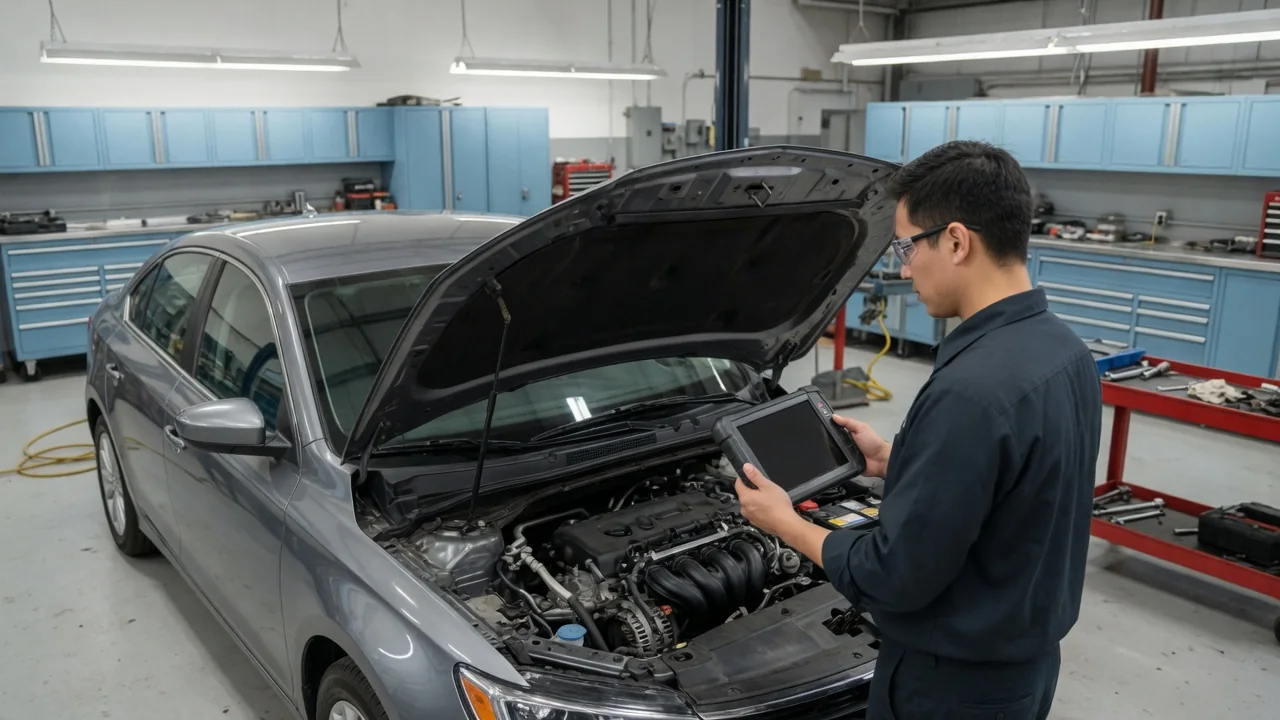
P0942, P0944, and P0946 relate to the hydraulic pressure unit that supplies transmission line pressure, including loss of pressure and hydraulic pump control circuit faults. These codes are evidence of a detected condition, not proof that a pump, pressure accumulator, or relay has failed. Confirm the exact description and diagnostic path for the vehicle’s year, make, model, and transmission before interpreting freeze-frame data, commanded hydraulic pressure, or measured hydraulic pressure.
P0942: Verify the Hydraulic Pressure Unit Fault Description
Before treating P0942 as a failed hydraulic pressure unit, read the manufacturer’s wording and detection criteria for that year, make, model, and transmission. The same numeric code can describe different monitors, so the factory diagnostic procedure is the only reliable guide to what the module actually stored. P0942 is commonly described as a hydraulic pressure unit fault, yet that label does not identify a failed pump, a leaking pressure accumulator, or an electrical problem on its own.
The reporting control module, any companion codes, and recorded operating conditions set the diagnostic starting point. A hydraulic pressure unit code stored with a pump control circuit or hydraulic pump relay fault points toward electrical supply or command issues, while pairing with a loss-of-pressure code may highlight fluid supply, leakage, or accumulator behavior. Freeze-frame data showing commanded hydraulic pressure versus measured hydraulic pressure at the moment of detection helps decide whether the first checks should be electrical, hydraulic, or both.
P0944: Investigate a Recorded Loss of Hydraulic Pressure
After confirming that P0944 applies as a loss of hydraulic unit pressure on the vehicle being diagnosed, treat the code as a recorded drop in pressure rather than a named failed part. Inadequate fluid supply, external transmission fluid leakage, internal leakage past clutches or valves, weak pump delivery, and a pressure accumulator that cannot hold charge where that component is fitted can all produce the same stored result. The hydraulic pressure unit still needs vehicle-specific confirmation of how pressure is generated and monitored.
Delayed engagement, interrupted drive, or a transmission warning may appear when hydraulic pressure falls, because clutches and shift elements need a stable supply to apply. Those symptoms only show that the driveline is not behaving as expected; they do not locate a leak path, a pump delivery problem, or an accumulator fault. Compare freeze-frame snapshots of commanded hydraulic pressure and measured hydraulic pressure, then inspect for obvious fluid loss only after the vehicle is safely parked, without assuming the loudest noise or the first leak stain is the cause.
P0946: Establish What the Pump Relay Circuit Fault Means
P0946 is commonly described as a hydraulic pump relay circuit range or performance fault, but that wording must be confirmed in vehicle-specific service information before any part is condemned. Some transmissions use a dedicated hydraulic pump relay, others drive the pump through a control module output, and dual-pump or electric-pump designs change which circuit is actually monitored. Identify the real relay and pump control arrangement, then consider wiring, connectors, supply voltage, ground, the relay itself, or the control output as possible contributors rather than interchangeable failed parts.
A pump control circuit performance code means the module saw voltage, current, or response outside the expected range under the conditions it monitors. That evidence does not prove the pump motor is seized, the hydraulic pump relay contacts are burned, or the control module itself has failed. Intermittent connector resistance, a low system voltage after battery work, or a command that never reached the relay can set P0946 while the hydraulic pressure unit hardware remains capable. Replacement should wait until the circuit is identified and tested under the prescribed conditions.
Symptoms That Call for Stopping the Vehicle
A hydraulic pressure unit or pump control problem may bring a transmission or drivetrain warning, delayed gear engagement, harsh or missing shifts, unusual pump noise, or an unexpected loss of propulsion, though not every vehicle exhibits those signs. P0942, P0944, and P0946 can also store with little driver-noticeable change if the monitor ran under a brief condition captured in freeze-frame data. Treat any sudden inability to maintain drive, a severe warning lamp or message, or visible substantial transmission fluid leakage as a reason to stop rather than as a parts list.
If drive becomes unreliable, a severe warning appears, or a large fluid leak is visible, stop in a safe location and arrange professional assistance instead of continuing to a distant shop under load. The numeric code alone cannot judge whether continued driving is safe, because P0944 pressure loss and P0946 pump control circuit faults can range from a momentary monitor trip to a unit that no longer builds commanded hydraulic pressure. Follow the vehicle’s operating guidance for limp or fail-safe modes, and do not attempt to restore pressure by bypassing the hydraulic pump relay or pump controls.
Safe Observations to Record Before Diagnosis
Before clearing anything, record every stored code and its status, freeze-frame data if available, displayed warning messages, and when delayed engagement, noise, or loss of drive occurs. Capture commanded hydraulic pressure and measured hydraulic pressure from that snapshot so later tests can be compared with the original event. Note recent battery trouble, electrical work, or transmission service as context, without assuming those events caused P0942, P0944, or P0946. Clearing codes too early erases the only record of the operating conditions the hydraulic pressure unit monitor used.
With the vehicle safely parked on a level surface, look for fresh fluid spots and accessible exterior signs of transmission fluid leakage around the pan, cooler lines, and housing, remembering that fluid appearance alone cannot confirm its source. Limit any fluid-level check to an explicitly owner-approved procedure in the owner information for that transmission. Do not crawl beneath an unsupported vehicle, open hydraulic lines, release pressure accumulator charge, or bypass pump controls. Those actions can release stored energy or disable the very pump control circuit the codes are reporting.
Professional Tests That Can Establish the Cause
Professional diagnosis starts with the vehicle-specific procedure for pump command, electrical supply, ground integrity, and hydraulic pump relay operation under the conditions the monitor uses. Technicians then compare scan data for commanded hydraulic pressure and measured hydraulic pressure, and they assess pressure response and retention with approved gauges or factory tools where the service information calls for them. A P0946 circuit result may be isolated electrically while P0944 still requires a hydraulic response test, so both paths should be followed when both codes are stored.
Internal leakage and pressure accumulator function should be tested only where the transmission design and the published procedure support those checks, because stored accumulator pressure requires trained handling. Multiple codes around the hydraulic pressure unit often share one cause, such as low fluid from leakage that also starves pump delivery and trips a pump control circuit monitor. Repairs should follow the test evidence rather than the first listed part, and a controlled post-repair check should confirm pressure behavior, relay command, and that P0942, P0944, and P0946 remain clear.