P0932, P0933, P0934, P0935: Hydraulic Pressure Sensor Circuit Codes Explained
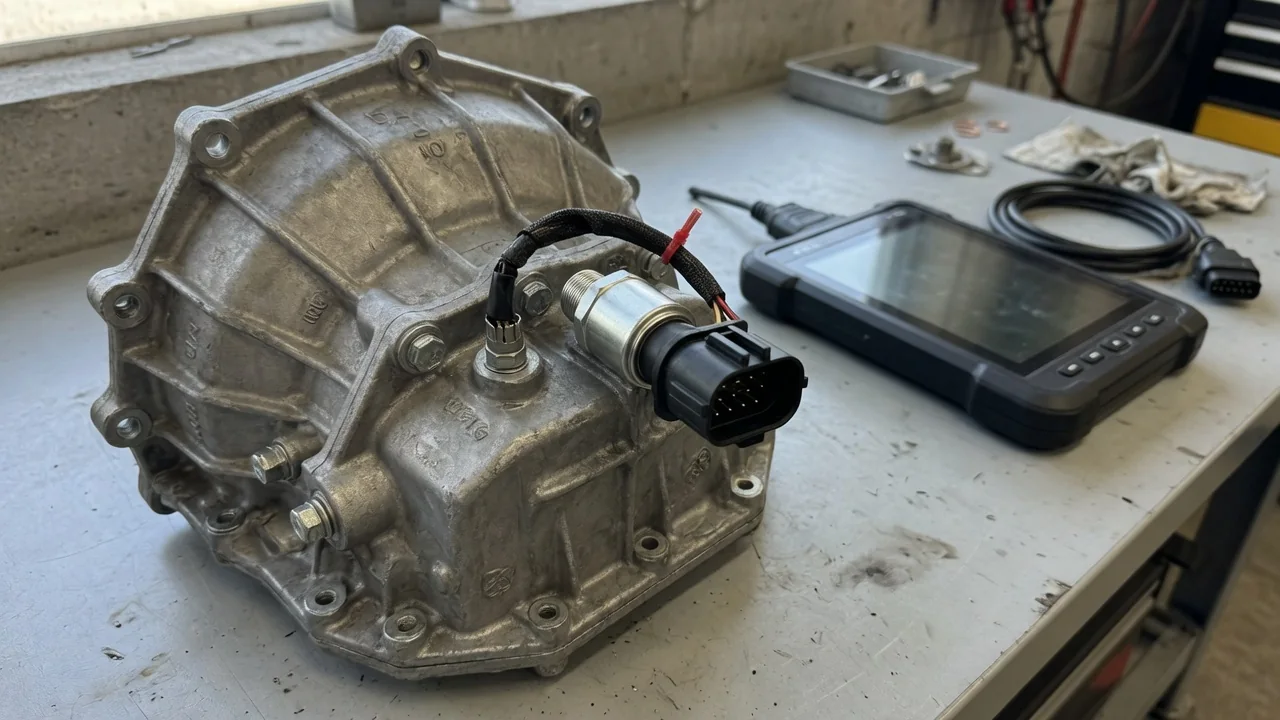
P0932, P0933, P0934, and P0935 belong to a hydraulic pressure sensor circuit family a transmission control module may store when the monitored electrical signal does not meet vehicle criteria. These codes usually describe circuit, range/performance, low, or high signal conditions rather than a confirmed mechanical failure. Meaning depends on year, make, model, and transmission because sensor location, wiring, and control strategy vary. Drivers often see them during a scan for shift complaints or a warning lamp.
What P0932–P0935 Mean on Your Vehicle
Before treating any of these fault codes as a diagnosis, confirm the manufacturer's definition and the exact diagnostic criteria for that year, make, model, and transmission. P0932 is commonly labeled as a hydraulic pressure sensor circuit fault, P0933 as range/performance, P0934 as a low circuit condition, and P0935 as a high circuit condition. Those labels are typical, not universal, so the service information for the vehicle remains the authority. A transmission control module sets the code when the sensor signal voltage falls outside programmed limits or fails a rationality check during monitored operation.
Low and high ordinarily describe the electrical signal the module sees, not a measured fluid pressure in the unit. A P0934 low indication can appear when the signal is pulled toward ground or open, while a P0935 high indication can appear when the signal is pulled toward reference voltage or another high potential, depending on circuit design. The usual context is transmission hydraulic pressure monitoring, yet sensor location, number of sensors, and control strategy remain vehicle-specific. Freeze-frame data and transmission pressure data, when available, show the operating snapshot at the time of the set, not proof of a failed part.
Symptoms and When to Stop Driving
A hydraulic pressure sensor circuit concern may illuminate a warning lamp, produce harsh or delayed shifts, or place the transmission in a restricted operating mode, but not every vehicle shows those effects. Some drivers notice reduced driveability only under load or during gear changes, while others feel little change at first. Companion codes and freeze-frame data help place the event in context, yet the stored code by itself cannot tell you whether continued driving is appropriate. Manufacturer-dependent criteria and the actual hydraulic condition, if any, still need confirmation on that specific vehicle.
Stop in a safe location and arrange professional help if the vehicle loses drive, slips severely, shows a substantial leak, produces smoke, or displays an overheating warning. Those conditions go beyond an electrical monitoring flag and can worsen with continued operation. An apparently normal drive after P0933 or a related circuit code does not establish that the fault has resolved, because the module may store a pending or history condition and the signal may still be unreliable. Until a technician reviews sensor signal voltage and operating behavior, treat the code as an unresolved monitoring event rather than a cleared problem.
Possible Sensor, Wiring, and Hydraulic Causes
A hydraulic pressure sensor, its connector, or the wiring harness can disrupt the pressure signal without any internal transmission damage. Corrosion, bent pins, a loose terminal, or a chafed circuit can drop the signal, raise it, or make it intermittent. Reference voltage and sensor ground faults also change what the module reads, and the effect depends on how the circuit is designed. An open ground, a short to power, or a shared-circuit problem on another component can produce a P0934 or P0935 appearance even when the sensor element itself is intact.
P0933 range/performance typically means the signal is present but implausible, or that it does not match expected operation for speed, gear, and load at that moment. Distinguishing an electrical problem from a genuine hydraulic issue requires comparison of sensor signal voltage with operating conditions and, when specified, other transmission pressure data. P0932 as a general circuit fault can overlap those patterns if the wiring is unstable. None of these codes by themselves prove a failed sensor, a failed transmission control module, or a damaged transmission; they are evidence to interpret against vehicle-specific criteria.
Safe Observations to Record Before Service
Before any codes are cleared, record stored and pending faults, available freeze-frame data, and the circumstances when symptoms occurred. Note whether the concern appeared at startup, after warm operation, during gear selection, or while shifting, without deliberately recreating unsafe behavior. Mileage, ambient conditions, and whether the lamp came on immediately or after a drive cycle all help a technician compare the event with hydraulic pressure monitoring criteria. Clearing first can erase the only snapshot of sensor signal voltage and transmission pressure data captured when the module set P0932 through P0935.
With the vehicle parked and the ignition off, look only at readily accessible portions of the wiring harness and connectors for obvious damage, looseness, or contamination. Avoid hot exhaust, cooling fans, and any moving parts. Visible fluid spots on the ground or lower panels can be noted from a standing position; do not crawl under an unsupported vehicle. Consult vehicle-specific guidance before any fluid-level check, because dipstick access, fill method, and temperature requirements differ. These observations support later diagnosis; they are not a substitute for circuit testing or hydraulic pressure confirmation.
Professional Tests That Can Identify the Fault
A technician typically starts with the vehicle-specific wiring diagram, the published fault criteria for P0932, P0933, P0934, or P0935, and any companion codes that share the same sensor, power supply, or ground. That combination decides whether the path leans toward an open circuit, a short, a rationality failure, or a broader control-module communication issue. Manufacturer procedures then guide checks of reference voltage, sensor ground integrity, and signal behavior under specified conditions. Those electrical results must be compared with the code's definition on that transmission, because identical numeric codes can have different enable conditions across brands.
Live transmission pressure data and related operating conditions help assess whether the reported signal is plausible for gear, load, and temperature, but scan data is a processed electrical reading, not a direct gauge of actual hydraulic pressure. A stable but incorrect voltage can still look orderly on a scan tool. Hydraulic pressure testing with specified equipment, work on inaccessible connectors, and any internal transmission inspection belong with qualified professionals. Those steps can separate a wiring-harness or sensor-circuit fault from a hydraulic problem that the module cannot measure independently.
Repair Decisions and Confirmation
Repair should follow confirmed findings: a damaged circuit in the wiring harness, a sensor that fails specified electrical checks, a connector that cannot maintain reference voltage or sensor ground, or a demonstrated hydraulic problem. Replacing the hydraulic pressure sensor only because P0934 or another family code names that circuit can leave an open, short, or ground fault untouched. The transmission control module may then set the same code on the next monitor. Parts should be selected and installed according to the vehicle's service information, not assumed from the numeric code alone.
After work is completed, confirmation usually includes checking that related codes have not returned, verifying sensor signal voltage under the manufacturer's conditions, and completing a safe, technician-directed operating check. Keep copies of the original freeze-frame data, test results, and parts replaced. If P0932, P0933, or P0935 returns, document when it reappears rather than repeatedly clearing the memory, because recurrence is itself diagnostic information. A returning code after a sensor replacement often points back to wiring, ground, reference voltage, or an unresolved hydraulic condition that the first repair did not address.