P0897 Transmission Fluid Deteriorated: Meaning and Next Steps
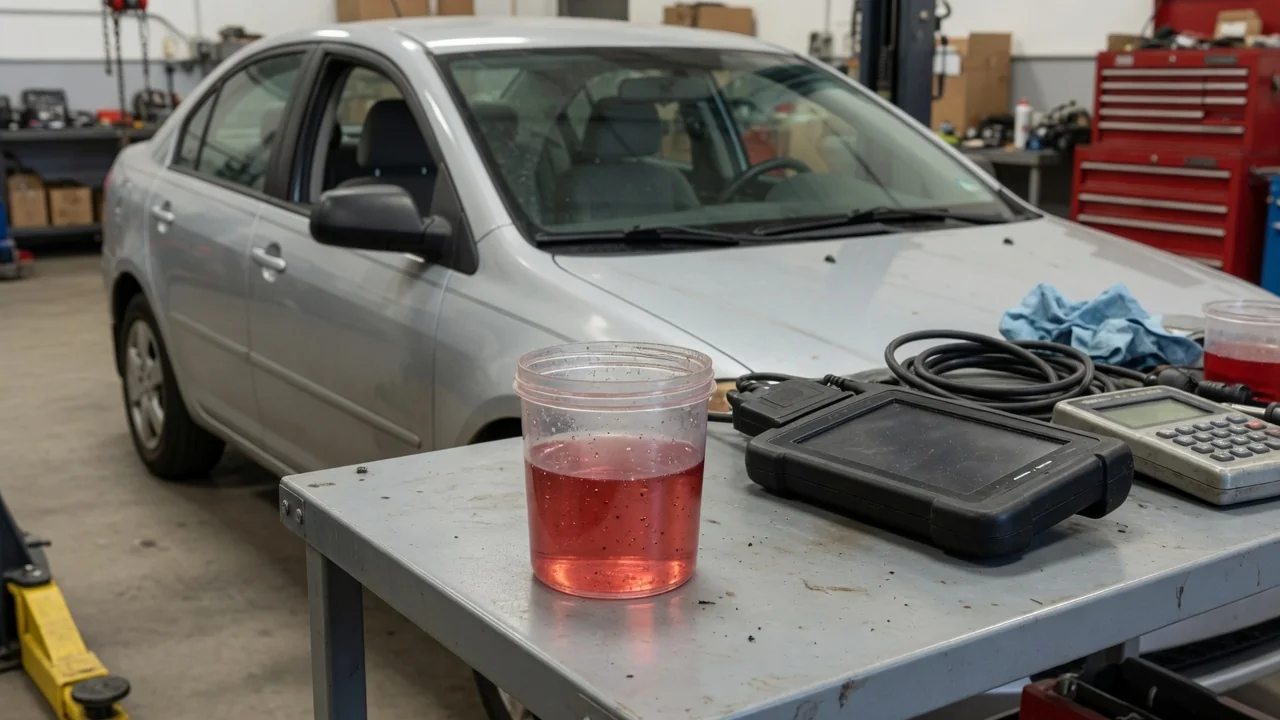
A P0897 code typically points to a transmission fluid deterioration or fluid-life monitor decision stored by the transmission control module. The code is a record of that estimate, not a complete diagnosis of internal hardware. Confirm the definition and criteria for your year, model, and transmission, then use service history, warning messages, and related data to decide the next inspection and service steps.
Verify What P0897 Means for Your Vehicle
On many vehicles, P0897 is described as transmission fluid deterioration. That common label is a starting point, not a substitute for the definition and diagnostic criteria that apply to your year, model, and transmission. Manufacturer-dependent monitors and wording vary, so the same P0897 code can be set by different thresholds or strategies. Confirm the documented meaning in vehicle-specific service information before treating the result as a fluid-only problem or as proof of a particular internal failure.
The transmission control module records a condition it has recognized. That stored result is evidence to interpret, not independent proof that clutches, gears, or the valve body have already failed. Gather the details that make the code useful: exact vehicle identification, current mileage, fluid service history, any dashboard warning messages, and every accompanying diagnostic code. Those items, together with freeze-frame data when it is available, show the operating context in which the monitor reached its decision.
How the Module Determines Fluid Life
Some transmissions do not sample the fluid's chemistry. Instead, the transmission fluid life monitor estimates deterioration from accumulated operating conditions stored by the transmission control module. Where the documented monitoring strategy supports it, those inputs can include fluid temperature history, time in operation, and load. Because algorithms and available parameters differ by application, the exact P0897 code-setting criteria and the fluid-life data a scan tool can display must come from vehicle-specific service information rather than a generic rule.
A monitor estimate, a visual look at the fluid, and the actual mechanical condition of the transmission each answer a different question. Dark fluid or a burnt smell can suggest heat or age, yet appearance does not measure remaining additive life or confirm clutch wear. Likewise, a calculated life value can reach a threshold while the hardware still shifts normally, or hardware can be damaged while the estimate still looks acceptable. Treat each source as limited evidence and compare them instead of letting one override the others.
Symptoms That Affect Whether to Keep Driving
A P0897 code may appear with a transmission or fluid-life message, unusual shift quality, a slipping sensation, delayed engagement into drive or reverse, or an overheating warning. None of those signs is guaranteed, and many vehicles store the code while still shifting in a way the driver considers normal. Missing symptoms does not establish that the fluid is within specification or that the transmission is healthy. The monitor can reach a deterioration threshold before drivability changes become obvious.
If the vehicle loses drive, slips severely, produces smoke, or displays an overheating warning, stop in a safe location and arrange professional help rather than continuing to load the transmission. For a vehicle that still operates normally, use the owner's manual for any displayed messages and arrange prompt assessment instead of assuming a remaining safe driving distance. Heat, load, and traffic conditions can change quickly, so a quiet commute today is not a guarantee of the same behavior later in the same trip.
What to Check Before Authorizing Fluid Service
Before any fluid work or code clearing, record the P0897 code, every accompanying code, available freeze-frame data, and the exact dashboard messages. Freeze-frame snapshots can show temperature and operating state at the moment the monitor stored the result, which helps separate a long-term life estimate from a heat or control event. Review past fluid services against the documented transmission fluid specification, and note whether a required fluid life reset was completed after the last service. An incomplete reset can make a current estimate look worse than the fluid's actual service interval.
Safe observations from a parked vehicle include noting stains on the ground and when any shift or temperature symptoms occur. Do not crawl under the vehicle or open hot components to inspect fluid. Level and condition checks often require a specified temperature, the correct equipment, and a professional procedure, so a dipstick glance at ambient temperature may not be valid. Related temperature, shifting, or control-system faults should be diagnosed rather than assuming a fluid replacement alone will clear P0897.
Choose Fluid Service Based on the Findings
If service is indicated, confirm the exact transmission fluid specification and the approved service procedure for the identified transmission. Drain-and-fill, filter work, cooler flushing, and other steps are not interchangeable across designs, so the scope should follow documented requirements and what inspection actually found rather than a universal method. Using the wrong fluid or skipping a required step can affect clutch friction, valve-body control, and the monitor's later estimate. Match the fluid and the procedure to the unit in the vehicle, not to a generic automatic-transmission product.
Color or odor alone cannot establish remaining fluid life or decide whether internal repairs are necessary. Metallic debris, coolant contamination, leakage, overheating evidence, or persistent slipping and delayed engagement can justify further professional testing beyond a fluid change. Do not rely on a universal mileage interval. Use the maintenance schedule and operating-condition guidance that apply to the vehicle, including severe-service notes for towing, heat, or stop-and-go use, then let those documents and the inspection findings set the service decision.
Reset the Fluid Life Monitor and Confirm the Result
Clearing diagnostic codes and performing a fluid life reset can be separate operations. After the appropriate service, use the vehicle-specific reset procedure where the manufacturer requires one; there is no universal button sequence that applies to every transmission control module. A reset only changes the monitor's stored estimate of remaining life. It does not restore deteriorated fluid, correct an incomplete service, or repair a temperature, shift, or control fault that contributed to the original P0897 decision.
Professional follow-up should include a rescan, a review of remaining fluid-life data and related temperatures, and confirmation that shift quality and warning messages have resolved. If the P0897 code returns, check whether the specified fluid and procedure were actually completed, whether the required reset was performed, and whether another temperature, hydraulic, or control-system fault is still present. Repeated clearing without that review only hides the monitor's next decision and delays finding the condition that keeps setting the code.