P0894 Code: Transmission Component Slipping, Symptoms and Causes
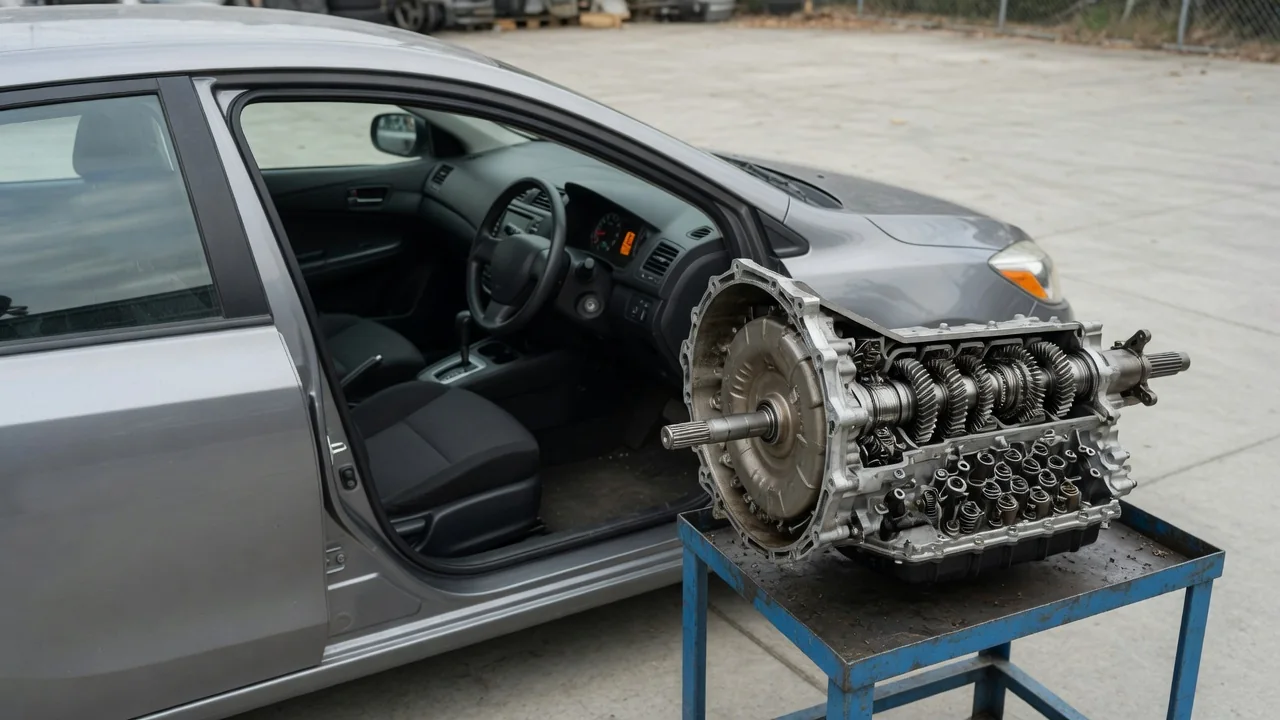
A P0894 code generally means the transmission control module has detected unexpected slip in a commanded clutch or similar component. That stored result is a starting point, not a failed-part verdict. Related manufacturer-dependent results such as a P1870 code can appear in the same scan and need vehicle-specific confirmation. Fluid condition, hydraulic pressure, speed signals, and freeze-frame data all help interpret whether driving should continue.
What P0894 Transmission Component Slipping Means
P0894 generally identifies transmission component slipping detected by the control module when commanded operation and measured speeds do not agree. Detection criteria vary by year, make, model, and transmission calibration, so the exact threshold and the component being monitored must be confirmed in vehicle-specific service information. Input and output speed signals are compared with the commanded gear or clutch state. Unexpected ratio error or slip that exceeds the programmed limit can set the code and store freeze-frame data.
The stored P0894 code records a detected slipping condition, not a named failed part. Clutches, a torque converter clutch, a solenoid, hydraulic leakage, or fluid that cannot support clutch engagement can all produce similar slip evidence. Until commanded clutch operation, speed-sensor data, and hydraulic pressure are interpreted together, the code remains a flag that slip occurred under the recorded conditions. That distinction prevents replacing a component simply because transmission slip detection reported an out-of-range result.
Symptoms That Can Accompany a P0894 Code
A vehicle that stores P0894 may show engine-speed flare during a shift, delayed engagement from Park or Neutral, interrupted acceleration, or a harsh shift as the control module tries to regain clutch engagement. A transmission warning or malfunction indicator can also appear. Not every vehicle exhibits those changes, and some drivers first notice only a light. Symptoms vary with selected gear, load, and how the calibration responds once slip is detected, so the absence of a dramatic flare does not rule the code out.
A warning light can appear before operation feels clearly different because the module compares speed signals against commanded transmission operation faster than a driver can sense mild slip. Useful observations include coolant or transmission temperature if displayed, road grade, selected gear, whether the event happened cold or after highway running, and when symptoms began. Those notes support freeze-frame data later. Feel, noise, and warning lights still cannot identify which internal component is slipping; they only describe how the vehicle behaved when the condition was present.
Fluid, Clutches, Solenoids, and Torque Converter Faults
Incorrect fluid level, fluid that does not match the specified type, or deteriorated fluid can reduce transmission hydraulic pressure and slow or weaken clutch engagement. Air in the circuit, varnish, or debris can have a similar effect. Those fluid issues are possible contributors, not automatic proof of the cause. Internal clutch wear and hydraulic leakage past seals or apply circuits can also allow slip once commanded pressure cannot hold the clutch. Each of those paths needs supporting evidence from inspection and testing, not assumption from the code alone.
Shift solenoid operation and valve-body faults can disrupt pressure control or clutch application even when the friction elements themselves are still serviceable. A stuck solenoid, wiring fault, or stuck valve can delay apply, dump pressure, or apply the wrong circuit, producing the same slip the module records. Torque converter clutch slip is another diagnostic path when vehicle-specific operation, commanded lockup, and test results support it. Converter clutch issues should not be assumed from P0894 without that confirmation, because lockup strategy and monitoring differ by transmission.
What You Can Safely Observe Before Diagnosis
From a safe standing position, note any visible fluid spots under the vehicle, warning messages on the instrument cluster, unusual smells, and changes in engagement when shifting from Park into Drive or Reverse. Those observations help a technician later without requiring disassembly. Limit fluid-level checks to an accessible procedure the owner's manual explicitly describes. Checks that require lifting the vehicle, working near hot components, or using special equipment belong with a professional. Do not crawl under a vehicle on an unsecured jack or open a hot transmission.
Fluid color or odor alone cannot establish transmission fluid condition or justify a fluid service or overhaul. Dark fluid or a burned smell may support further inspection, but they do not prove clutch failure or define remaining life. Preserve diagnostic codes and freeze-frame data; do not clear the P0894 code before it is documented. Avoid adding aftermarket treatments or attempting to reproduce slipping under load on the road. Recreating slip can increase heat and clutch damage, and it does not substitute for controlled testing with recorded speed signals.
How to Handle a P1870 Code in the Scan Results
A P1870 code is manufacturer-dependent. Its definition must be verified for the exact year, make, model, and transmission before anyone treats it as transmission slip detection or as a companion to P0894. Some documentation associates P1870 with a transmission component slipping condition, but other applications use that same number for a different circuit or performance test. Scan-tool text is a starting hint only. Confirm the official description, enable criteria, and related freeze-frame parameters in the service information that matches the vehicle in front of you.
If vehicle-specific documentation identifies P1870 as a transmission slipping condition, treat that finding as additional evidence to weigh with the observed symptoms, P0894, speed-sensor data, and remaining scan results. Do not assume P1870 establishes the same fault, failed component, or repair path as P0894 simply because both can relate to slip. Different enable conditions, gears, or converter clutch monitoring can set one without proving the other. Keep interpretation inside the P0894 investigation: use P1870 only to refine when and how the module saw unexpected slip.
When to Stop Driving and What Professional Testing Establishes
Pull over safely and arrange assistance if the vehicle loses propulsion, slipping is severe, an overheating warning appears, smoke is visible, or a strong burning smell develops. Those signs can indicate rapidly rising heat or a clutch that is no longer holding. A stored P0894 code alone cannot establish a safe remaining driving distance. Persistent engagement problems, flare under acceleration, or interrupted power still warrant prompt professional assessment even when the vehicle still moves, because continued driving can worsen clutch damage once slip is already occurring.
Professional testing typically reviews stored codes and freeze-frame data, compares input and output speed signals with commanded clutch operation, confirms the specified fluid, and measures transmission hydraulic pressure where the procedure applies. That work separates fluid, solenoid, valve-body, clutch, and torque converter clutch paths using evidence rather than the code label. Repairs should follow those confirmed findings. After service, verification must show normal engagement, expected speed-signal ratios, and stable operation under the conditions that originally set the code, not merely an extinguished warning light.